REVIEW · ATHENS
The Best Of Athens With The Acropolis 4-Hour Shore Excursion
Book on GetYourGuide →Operated by Athens Shore Excursion · Bookable on GetYourGuide
The Acropolis, timed to your cruise schedule. This private half-day pairs classic monuments with Athens city scenes, all with Piraeus Port pickup and an English-speaking driver.
I like the no-wait comfort of a dedicated vehicle and the way the route strings together big-name sites without feeling like a frantic sprint. One thing to consider: entrance tickets are not included, so you’ll want to budget extra for site access (or ask to have tickets handled in advance).
In This Review
- Key things I’d plan around
- Meeting At Piraeus: the pickup plan that keeps your day on track
- The 20-minute drive through Athens suburbs (and how to use the time)
- Up on the Acropolis: Propylaea, Erechtheum, Nike, and the Parthenon loop
- Temple of Olympian Zeus and Hadrian’s Arch: when empires change the rules
- Plaka, Roman Agora, Monastiraki, and the Temple of Vulcan
- Panathenaic Stadium and Lycabettus: the photo finale that actually lands
- Price and what the $330 per group really buys you
- Who this tour suits best (and who should think twice)
- A quick reality check on expectations
- Should you book The Best Of Athens With The Acropolis?
- FAQ
- How long is the shore excursion?
- Is this tour private?
- Where does pickup and drop-off happen?
- Which Acropolis sites are included?
- Are entrance fees included?
- Is food included in the price?
Key things I’d plan around
- Cruise-pier pickup at Piraeus with a clear terminal plan (A: Gate E11, B: Gate E12)
- Four focused hours that cover Acropolis plus major “old Athens meets modern Athens” stops
- Acropolis route through Propylaea, Erechtheum, Nike, and the Parthenon for a tight best-of loop
- Olympian Zeus and Hadrian’s Arch to connect Greek marble to Roman power
- Plaka, Roman Agora, Monastiraki, and Temple of Vulcan for street-level texture
- Panathenaic Stadium and Lycabettus for a standout photo finale and big-city views
Meeting At Piraeus: the pickup plan that keeps your day on track
If you’re doing Athens from a cruise, timing is everything. This tour is built around Piraeus Port pickup and drop-off, and that matters because you don’t want to spend your limited shore time hunting for a driver or guessing where your group meets.
At Piraeus, you have two cruise terminals: Terminal A (Gate E11) and Terminal B (Gate E12). When you disembark, you walk outside your terminal exit door and look for a driver holding a sign with your name. The instruction is simple: don’t wander away from the main exit area if you don’t see the sign right away.
I also appreciate that the tour is private. That usually means fewer bottlenecks—less waiting for other people to show up—and a cleaner start to your day, especially if you’re working under strict cruise departure times.
Other Acropolis and Parthenon tours we've reviewed in Athens
The 20-minute drive through Athens suburbs (and how to use the time)
After pickup, you’ll get about a 20-minute drive into Athens. The route is described as a scenic pass through the suburbs, which is more than just getting from A to B. This is your chance to get your bearings fast—where the big hills are, where the traffic tends to funnel, and how the city layout shifts as you get closer to the historic core.
Your driver is English-speaking and brings history and culture into the ride. Even when you’re not standing in front of a monument yet, those quick context bits help a lot once you’re on the Acropolis. You start to notice details instead of just taking photos.
One practical note: this is a morning-oriented tour (it’s designed for cruise days). If you’re sensitive to early starts, pack something small for the first hour—water and a snack you can keep accessible—so you’re not thinking about comfort once you’re already climbing and walking.
Up on the Acropolis: Propylaea, Erechtheum, Nike, and the Parthenon loop
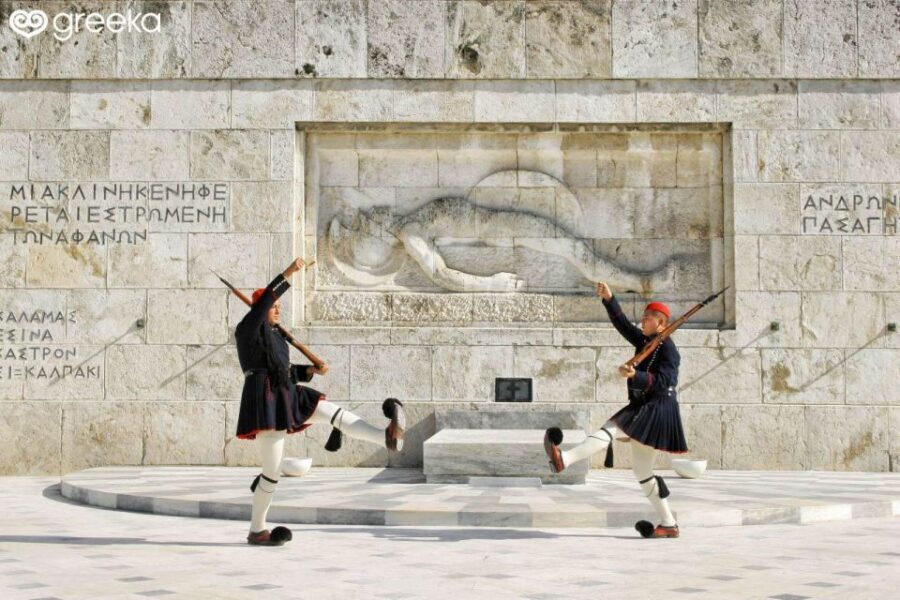
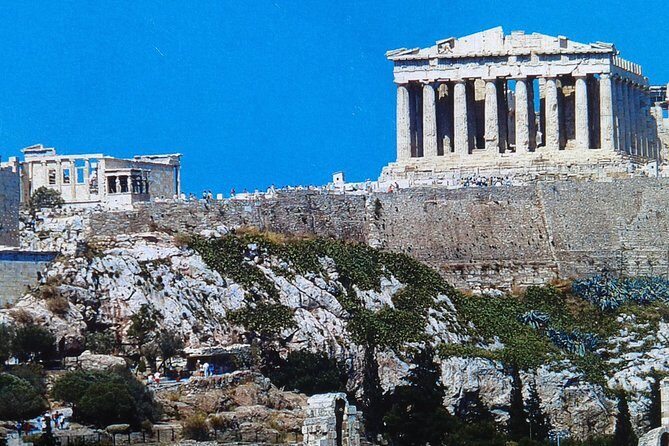
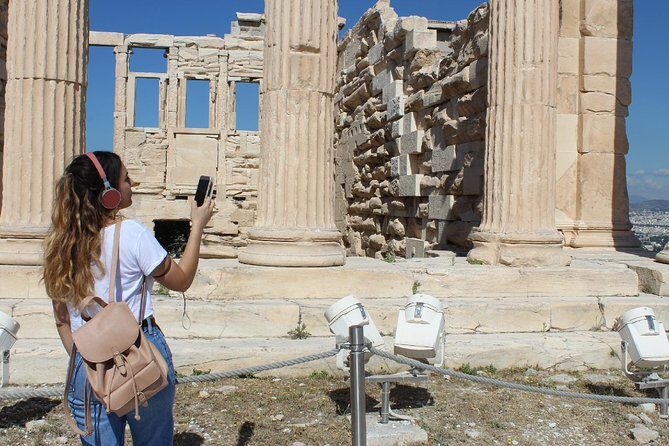
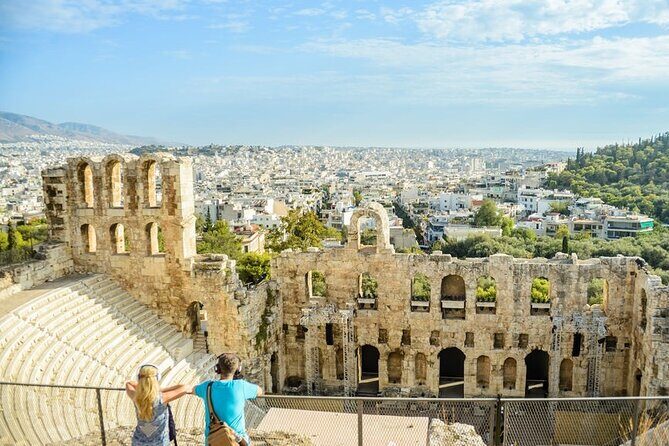
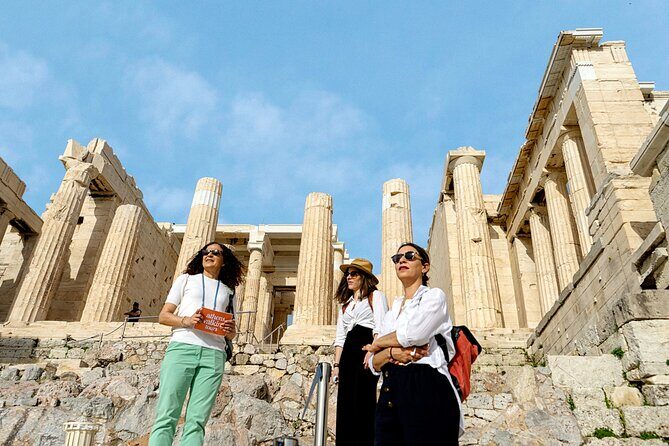
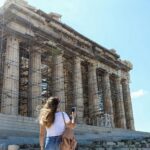
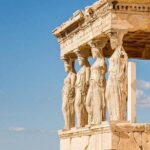
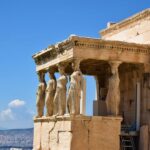
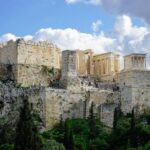
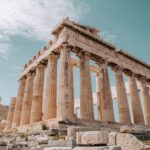
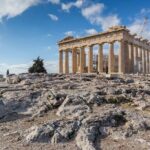
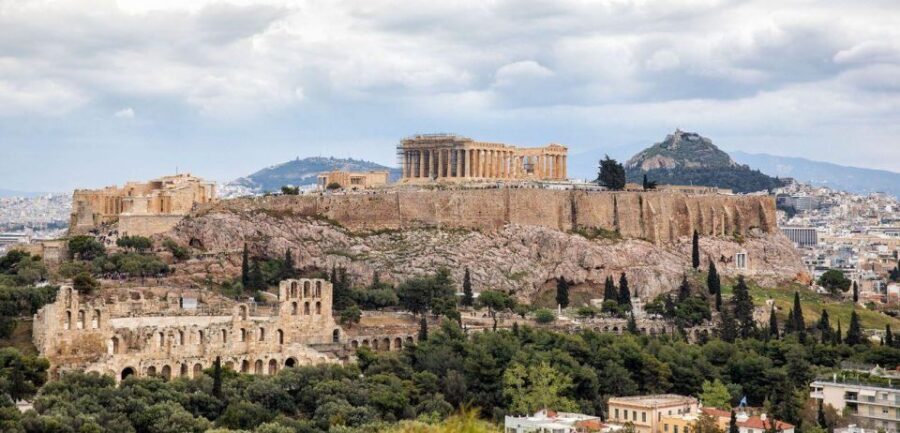
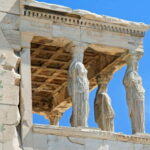
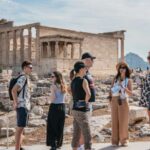
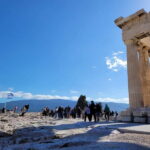
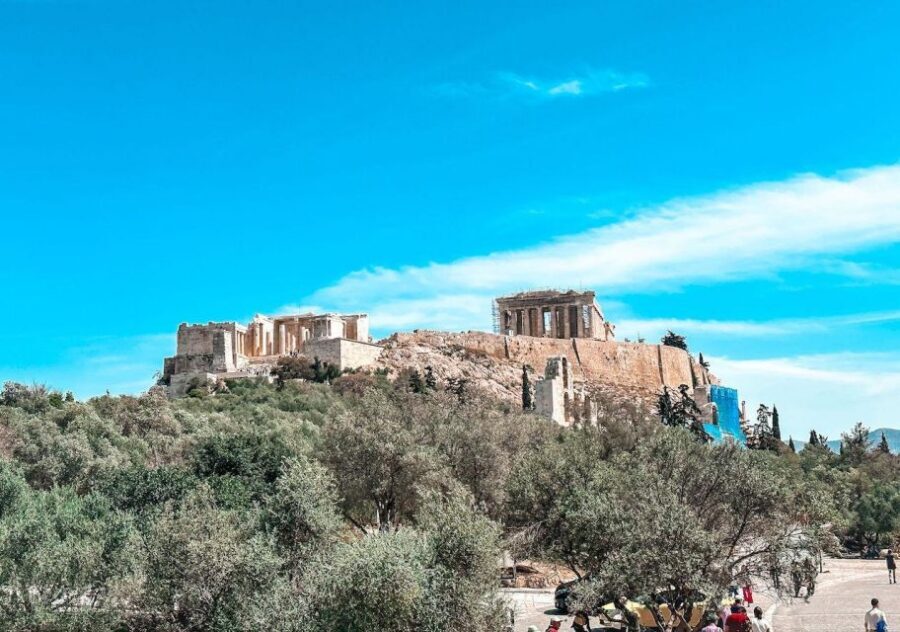
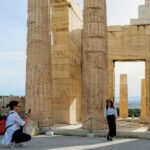
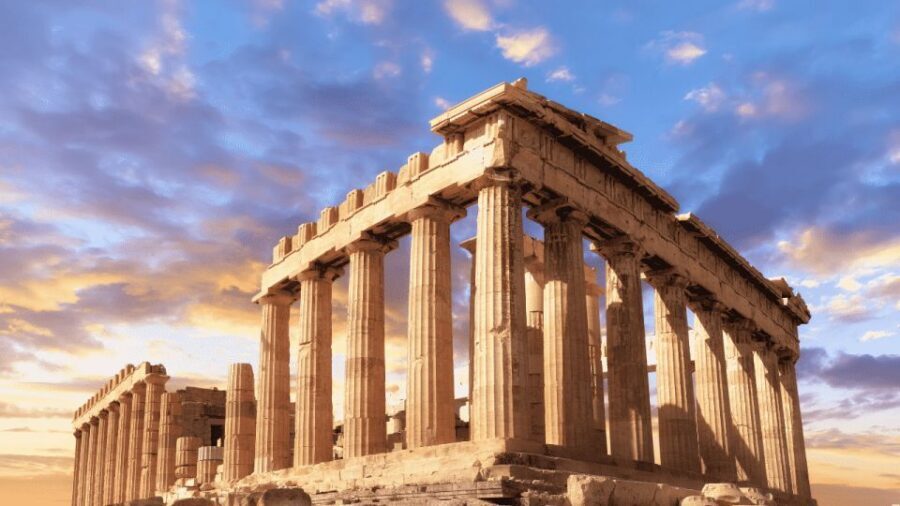
The heart of this tour is the Acropolis, handled as a best-of route rather than a long, unfocused wandering session. The plan is to explore the top of the hill and hit major architectural stops: Propylaea, Erechtheum, the Temple of Wingless Victory, and the grand Parthenon.
Here’s why that order works for most people:
- Propylaea is the gateway feeling. It helps you understand the “approach” to the sacred space, not just the monuments.
- Erechtheum brings variety. You’ll be looking at a complex of forms and functions, not one single building.
- Temple of Wingless Victory is a strong visual pause. It’s easy to miss if you only care about the Parthenon, so this stop is a useful balance.
- The Parthenon is the inevitable headline, but you’ll get more out of it if you’ve already seen the surrounding layout and key structures first.
This is a classic setup: you’re not trying to see everything in every corner. In just four hours total, that makes your Acropolis time feel intentional. You can walk, look, and absorb without feeling like you’re constantly racing a clock.
Entrance fees are not included, though. That’s not a deal-breaker, but it does change the “all-in” cost. You can have tickets arranged in advance for a small service fee, which can save time and reduce stress when you’re on a shore schedule.
Temple of Olympian Zeus and Hadrian’s Arch: when empires change the rules
After the Acropolis, the tour shifts from the Golden Age vibe to a later power story: the Temple of Olympian Zeus. This stop is described as a Corinthian-style marvel built in the 3rd century BC, and it’s framed as the largest temple in all of ancient Greece.
Why I think this is a smart addition: the Acropolis can make you feel like Athens is one long era. Olympian Zeus helps correct that. You start seeing how monumental building evolves as political influence changes. Even if parts of the site look fragmentary, the scale and layout still do the job.
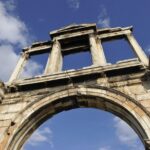
Then you add Hadrian’s Arch, which the tour presents as a symbol of the divide between old and new sections of the city during the Roman era. That’s the kind of quick historical bridge that makes the tour feel like more than check-the-box sightseeing. You’re not just moving between ruins; you’re following the logic of who controlled the city and how that shaped what got built.
Plaka, Roman Agora, Monastiraki, and the Temple of Vulcan
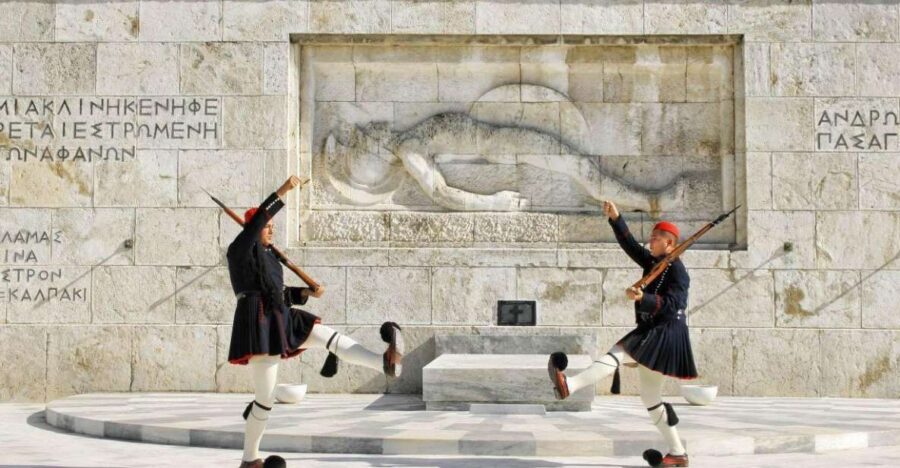
Next you move through central Athens in a way that helps you feel the city beyond monuments. The route includes National Gardens, the National Library, the Parliament Building, and the ex-Royal Palace, then into Plaka—the neighborhood many people associate with classic Athens views.
From there, you continue to Roman Agora and Monastiraki, including a notable stop at the Temple of Vulcan. If you like when ancient sites sit next to everyday street life, this portion is where the tour becomes most “real.”
Why that matters for value: a cruise day can turn into a parade of big sights where you don’t get much sense of the city’s rhythm. This route adds recognizable modern landmarks and then drops you back into ancient context, so the sites don’t float in isolation.
A practical expectation: some parts of this route are more about seeing and photo opportunities than lingering for a long guided session. With a 4-hour total time limit, that’s a trade-off—but it’s usually the right one for people who want the big hits without sacrificing the whole day.
Other tours from Piraeus cruise port we've reviewed in Athens
Panathenaic Stadium and Lycabettus: the photo finale that actually lands
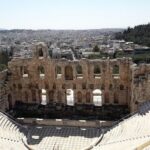
One of the most memorable segments is the visit to the ancient Olympic Stadium and the later Panathenaic Stadium story. The tour notes that the stadium built in 1894 hosted the first modern Olympic Games in 1896. It also points out that the original stadium had a predecessor on the same spot dating back to earlier periods.
This is a great stop if you like connections—Athens is one of the few cities where the same idea (Olympic competition) can echo across centuries. Even when you’re not an Olympic-history person, seeing how the location continues to matter is genuinely satisfying.
The tour also mentions that today the Panathenaic Stadium is reserved for special events such as the finish of the yearly marathon and archery competitions, and that it was showcased during the 2004 Olympics. Those details turn a single stadium visit into a “why it matters” moment.
Then you get the finale: a journey up to Lycabettus, where you’re meant to gaze at the cityscape of Athens spread out below. This part works as a closing frame. You’ve spent the day looking upward at temples and structures; now you look outward at the whole city. It’s a good way to end without feeling like you’re still hunting for one more stop.
Price and what the $330 per group really buys you
The price is listed as $330 per group up to 3 for a 4-hour private shore excursion. At face value, that can look high until you map what’s included.
What you get that’s hard to replicate on your own:
- Private transportation in an air-conditioned Mercedes Benz (or similar) sized to your group
- An English-speaking tour driver with history and culture knowledge
- Pickup and drop-off at your cruise ship pier in Piraeus
Those three items are the biggest cost drivers for cruise shore tours. If you’re a small group, the private part becomes the value anchor. You’re not paying for a huge coach full of people or risking wasted time trying to coordinate taxis with port schedules.
What you should plan to pay separately:
- Entrance fees to archaeological sites are not included
- Food and drinks are not included
- An English-speaking licensed tour guide is not included (it can be arranged for an extra cost)
So the real question is whether the time-saving and comfort are worth the difference between this and a DIY day. For many cruise passengers, the answer is yes—because the primary cost isn’t money, it’s control over time.
Who this tour suits best (and who should think twice)
This tour fits best if:
- You’re on a cruise and want a tight schedule that hits the major landmarks
- You prefer a private group over a bigger group dynamic
- You want history explained while you’re riding and walking, not only when you’re standing still
It may not be the best fit if:
- You want long, slow museum-style exploration with lots of independent wandering
- You’re trying to keep expenses ultra-low, because entrance fees and optional add-ons can raise the total
Also, it’s worth noting the tour is listed as wheelchair accessible. If you use a wheelchair, it’s smart to confirm how access is handled at stops—still, the accessibility is explicitly mentioned, which is a good sign for planning.
A quick reality check on expectations
This is a half-day. That’s the definition of success and limitation. Success, because you get the headline Athens monuments and major city landmarks without draining your whole day. Limitation, because you won’t have endless time at every site.
The route is designed for cruise convenience and for people who want the clearest “best of Athens” without getting buried in details. If you like structure, you’ll probably enjoy this. If you like total freedom to roam for hours, you might prefer something more flexible.
The good news: the tour’s pacing is built around the most recognizable structures on the Acropolis and then follows with major supporting stops like Olympian Zeus, Hadrian’s Arch, and the historic neighborhoods around Plaka and Monastiraki.
Should you book The Best Of Athens With The Acropolis?
I’d book this tour if you want a practical, port-friendly way to see Athens highlights with private comfort and an English-speaking driver who explains what you’re seeing. The route is efficient, and the ending viewpoint from Lycabettus gives you that “I’m really here” payoff.
I’d pause and compare if entrance fees and optional guide costs would stretch your budget, or if you’re hoping for hours of unhurried time in each site. In that case, you might consider a lighter day or separate tickets with more self-guided time.
If your priority is: get to the big sights, learn enough to make them make sense, and still get back on time—this one is a solid choice.
FAQ
How long is the shore excursion?
It lasts 4 hours.
Is this tour private?
Yes, it’s a private group experience.
Where does pickup and drop-off happen?
Pickup and drop-off are included at Piraeus Port and your cruise ship pier.
Which Acropolis sites are included?
The tour includes stops at Propylaea, Erechtheum, the Temple of Wingless Victory, and the Parthenon.
Are entrance fees included?
No. Entrance fees to archaeological sites are not included, though tickets can be arranged in advance for a small service fee.
Is food included in the price?
No. Food and drinks are not included.