REVIEW · ATHENS
Athens: Acropolis and Acropolis Museum Combo Ticket
Book on GetYourGuide →Operated by Tour In Greece · Bookable on GetYourGuide
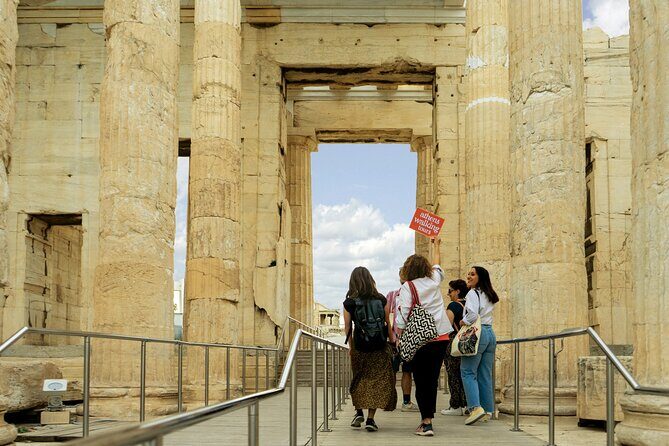
One hill. One museum. All the big moments of Athens in a single day. This Acropolis + Acropolis Museum combo ticket is built for time-efficient visiting of Greece’s most visited archaeological site, then for a close-up look at the sculptures and stories behind the Parthenon era. The best part is the paired approach: you see the monument from the outside, then you come back inside to see what the Golden Age left behind.
I especially love the timed Acropolis entry window. Your ticket comes with a time slot (actually a 1.5-hour window), so you’re not stuck hunting for the right line when you arrive. I also like that the museum visit isn’t just a quick stop: you get access to the excavation under the museum’s glass floor and a structured climb through the exhibits.
The main drawback to consider is this: timed tickets work best when your day is protected. If you’re visiting in months with earlier closing times or you arrive late, you can end up with much less time on the Acropolis than you planned, and some people have had trouble with app-based ticket scanning.
In This Review
- Key points to know before you go
- Entering the Acropolis fast: your timed window and ticket scan
- On Acropolis Hill: what you’ll actually focus on
- The Acropolis Museum: close-ups, the Golden Age, and the right pace
- The excavation under glass: Athens layers you can literally see
- Original Caryatids and Parthenon sculptures: why the museum changes the story
- Price and logistics: what the $101 buys you
- When timing goes wrong: how to avoid common ticket headaches
- Who should book this Acropolis + Museum combo
- Should you book it?
- FAQ
- FAQ
- How long does the Acropolis and Acropolis Museum combo take?
- What’s included in the ticket?
- Do I need a guided tour?
- How do I enter the sites?
- When will I receive my tickets?
- Are the tickets valid any day I want?
- How does the Acropolis entry time work?
- What if I lose my ticket?
- Is the Acropolis Museum good for close viewing?
- Are photos allowed inside the museum?
Key points to know before you go

- 1.5-hour timed entry window for the Acropolis helps you avoid long delays
- Skip-the-line access for both the Acropolis and the Acropolis Museum
- The museum includes the excavation under glass and follows a multi-level ascent
- You can view original Caryatids in the museum, plus Parthenon sculptures closer up
- Photo rules: pictures aren’t allowed on the museum’s first level
- Ticket support can matter: a few issues have come up with scanned or delivered tickets, so know you may need help fast
Entering the Acropolis fast: your timed window and ticket scan

This combo ticket is designed around one big problem in Athens: lines. Your Acropolis ticket is timed, and the ticket itself is set up with a window time that lasts 1.5 hours. So even if you’re a bit late, you should still be able to get in and see the site rather than watching everyone move on.
Your ticket works for the exact date and time you booked, and the actual tickets are sent to you the day before your visit. On arrival, go straight to the entrance of each site and scan your ticket at the validating machines, whether you use a printed copy or your phone. No wandering. No searching for help desks.
If you somehow misplace your ticket, there’s a rescue option. The service can send it to you before you enter, which is a relief if you’re traveling with a tight schedule (like a cruise stop in Athens). For many people, that alone turns this from a “nice to have” into a real time-saver.
One more practical note: your ticket is only as useful as your arrival. Plan buffer time for the walk up, security checks, and the simple reality of Athens streets. If you’re building a packed day, protect the time window like it’s a train you can’t miss.
Other Acropolis and Parthenon tours we've reviewed in Athens



On Acropolis Hill: what you’ll actually focus on
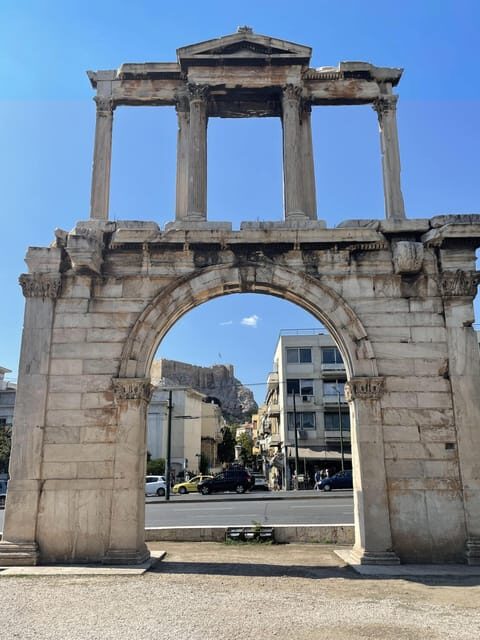
The Acropolis is one of those places that looks familiar from photos and still manages to surprise you in person. The scale hits fast. The stones feel closer. And once you’re up there, you get a view of modern Athens spread out below—traffic, rooftops, and the city’s busy life running alongside the ancient skyline.
On the hill, your best strategy is to move with intention. Don’t rush straight for the big photo spot. Take a minute to orient yourself first, then start looking for the design logic of the buildings. The Parthenon complex and the surrounding structures are tightly connected, and seeing them in sequence helps you understand why this hill mattered so much in the Golden Age.
This is also where the combo ticket’s museum half starts paying off. When you’re standing on Acropolis ground, you’ll spot elements that later make total sense when you see the sculptures and preservation details up close in the museum. It’s a “see it here, understand it there” kind of pairing.
One consideration: the Acropolis is extremely popular. Even with skip-the-line entry, your time on the hill depends on the day’s operating hours. In winter months, closing times can come earlier than people expect. One booking experience in November described a last entry time around 14:40, and that mismatch left very little time on the hill. If your trip is in a month with shorter days, double-check the site’s hours for your date before you commit your full schedule.
The Acropolis Museum: close-ups, the Golden Age, and the right pace

If the Acropolis is the big stage, the Acropolis Museum is the backstage. After you come down from the hill, you’ll get a very different experience: fewer crowds moving at random, and a calm path that guides you through the story of the Parthenon and its artworks.
What you’re paying for here is the chance to see the masterpieces of the Golden Age closer than you could ever manage on the hill. The museum’s strength is scale and detail. You can stand close enough to understand carving choices, material decisions, and how the sculptures were meant to be seen.
The museum also features the famous Caryatids. You’ll see the original figures here, which is a huge difference from the copies you may notice on the monument itself. In the museum, the Caryatids are also presented with preservation context—so you learn why restoration and protection are ongoing efforts rather than a one-time event.
Another thing I like: the museum’s exhibits are organized across multiple levels that match your ascent toward the Parthenon story. That structure matters. It keeps you from feeling like you’re just walking past rooms—you’re gradually building an understanding as you go up.
Practical note: no photos on the first level. If you rely on photos to remember details later, plan to do your “I’ll document this” stops on the levels where photography is allowed. Otherwise you can end up frustrated with what your camera can’t capture.
The excavation under glass: Athens layers you can literally see
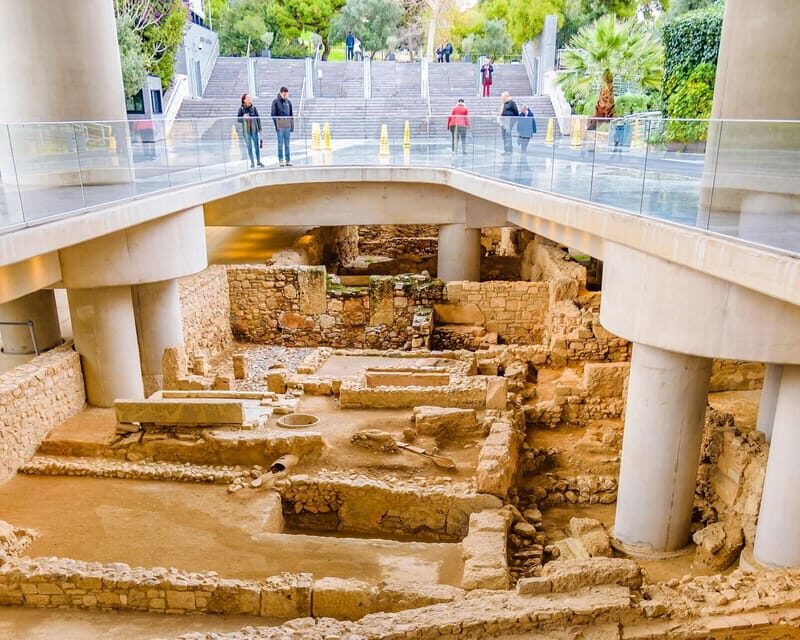
One of the most compelling parts of this combo is the excavation under the museum’s glass floor. You don’t just read about Athens’s earlier city layers—you see them in place as part of the museum experience.
As you move through the museum, you’ll find that this section adds weight to everything you see above ground. The Acropolis wasn’t floating in isolation. People lived below it, worked there, built, rebuilt, and left behind traces that were discovered and protected during the museum’s construction.
If you like archaeology, you’ll probably slow down here. The glass floor makes the site accessible without forcing you into a dark, off-limits space. It’s one of those design choices that turns “background history” into something physical you can point at and understand.
Give yourself time for this portion. It’s easy to treat it like an extra stop, but it’s really one of the main reasons this museum visit feels more than just another building with artifacts.
Original Caryatids and Parthenon sculptures: why the museum changes the story
On the Acropolis, the Parthenon can feel like pure monument power—big lines, big geometry, big views. In the museum, you get a second look: human scale, artistic decisions, and the wear-and-care that comes with preserving stone that has survived centuries.
This is where the Caryatids shine. In the museum, the original figures are close enough to appreciate how they were intended to be read as living structures, not just decorative columns. And because the museum also explains the preservation procedure, you get a better sense of what “protecting antiquities” means in real life.
The Parthenon sculptures also hit differently in the museum. Close viewing reveals how surfaces and forms work when you’re not standing far away and squinting into sun. It’s the difference between seeing the concept and seeing the craft.
If you’re the type who enjoys learning, the museum gives you plenty to connect. If you’re more of a “show me the wow” visitor, it still delivers. Either way, plan a calm pace so you don’t just skim what makes these pieces special.
Other Acropolis Museum tours we've reviewed in Athens





Price and logistics: what the $101 buys you
At about $101 per person for a 1-day combo, you’re paying for three things: timed entry, line-skipping, and access that includes both the Acropolis and museum highlights (including the glass-floor excavation and skip-the-line museum entry).
Is it worth it? Often, yes—especially if your schedule is tight. The Acropolis is the kind of site where a small delay can snowball. The timed window helps prevent that, and skip-the-line entry can protect your day from the worst-case scenario.
That said, balance it with one practical caution. In one account, the ticket cost came out higher than buying directly, around €20 more. That doesn’t mean it’s always overpriced, but it does mean you should compare if you’re not under time pressure.
Also, remember that a guided tour is not included here. If you want a narrative walk-through with someone explaining every stop, you’ll need to arrange that separately (it can be requested for an extra cost). For many visitors, the museum’s self-guided flow plus your own curiosity is enough. For others, a guide can turn “I saw it” into “I fully understood it.”
When timing goes wrong: how to avoid common ticket headaches
This combo is usually smooth, but it’s smart to plan for the few real-world friction points that can pop up with timed tickets.
First, be careful with app-based scanning. One experience described app scan codes not working, and the visit became stressful. If you rely on a phone, also bring a backup. Keep the ticket accessible offline if possible and have your printed copy ready if you can.
Second, confirm the day’s opening and closing rhythm, especially in winter. One account tied to November hours reported limited time and a mismatch between their Acropolis time slot and when entry effectively ended. If your visit is in a short-day month, build a buffer and re-check hours close to departure.
Third, expect that tickets are time-specific. The ticket is valid only for the booked date and time. If you change your plans last minute, you may not be able to swap easily through the same setup, and you’ll want to be flexible in your schedule.
The good news: there has been support that solved problems quickly when tickets didn’t function as expected. The takeaway is simple: if something looks wrong at the gate, don’t wait around. Get help early so you still protect your timed window.
Who should book this Acropolis + Museum combo
This is a strong fit if you want to cover two headline sites in one day without wasting hours in lines. It’s also great if Athens is a stop where you have limited time, like certain shore excursions, and you need a plan that’s more structured than wandering around town.
You’ll probably like it most if you:
- want skip-the-line entry to reduce stress
- like museum viewing with close-up art and preservation details
- appreciate archaeology layers, especially the excavation under glass
- are visiting with a fixed day schedule and want timed access
It also works for wheelchair access; the experience is listed as wheelchair accessible. If you have mobility needs, you’ll still want to consider your walking pace on Acropolis steps, but at least the overall planning includes accessibility.
Should you book it?

If you’re doing Athens for the first time, or you’re trying to fit a must-see day into limited hours, I think this combo ticket is a good buy. The timed Acropolis window plus skip-the-line museum access is exactly the kind of planning that turns “we’ll see if we can get in” into “we’re actually going to have time to enjoy it.”
Book it if you can protect your time window and you’re comfortable with a self-guided day that pairs the hill with the museum. Skip it (or at least think twice) if your schedule is very flexible and you can easily buy tickets directly, since some cases have shown it can cost more than booking straight.
If you do book, give yourself extra margin for travel through the area and double-check hours for your date. Then you’ll get the best of both worlds: awe on the hill, understanding in the museum, and that rare feeling of seeing the city’s layers beneath your feet.
FAQ
FAQ
How long does the Acropolis and Acropolis Museum combo take?
It’s listed as a 1-day experience.
What’s included in the ticket?
You get a timed skip-the-line entry ticket for the Acropolis and a skip-the-line entry ticket for the Acropolis Museum.
Do I need a guided tour?
A guided tour is not included. A guided tour can be arranged upon request for an extra cost.
How do I enter the sites?
Go directly to each site’s entrance and scan your ticket at the validating machines (printed or on your phone).
When will I receive my tickets?
Your actual tickets are sent to you a day before your visit.
Are the tickets valid any day I want?
No. They’re valid only for the date and time that you booked.
How does the Acropolis entry time work?
Your Acropolis ticket includes a window time that lasts 1.5 hours for entry.
What if I lose my ticket?
The service can send it to you before you enter.
Is the Acropolis Museum good for close viewing?
Yes. The museum visit includes close viewing of Parthenon-related masterpieces and the original Caryatids, plus access to the excavation under the museum’s glass floor.
Are photos allowed inside the museum?
Pictures are not allowed on the museum’s first level.