
REVIEW · ATHENS
Athens: Acropolis Museum Ticket with optional Audio Guide
Book on GetYourGuide →Operated by Key Tours · Bookable on GetYourGuide
The Parthenon starts indoors. This Acropolis Museum ticket gets you into one of the world’s top museums and helps you connect what you see there to the Acropolis outside, without fighting a long line. It’s a smart way to see the story of ancient Athens in a calm, air-conditioned setting.
I like two things most: first, the mobile ticket + barcode scan so you can avoid the slow shuffle at the entrance; second, the museum itself is built to make the Acropolis make sense, with major sculptures and artifacts shown in context. If you add the optional audio, you can set your own pace and focus on the pieces that catch your eye.
One possible drawback: the audio is delivered through the app (no physical device), and a couple of people found the recorded segments less helpful than they expected. Also, the museum can feel big—so if you rush, you’ll miss the best “wow” moments.
In This Review
- Key things to notice before you go
- What this ticket really gets you in Athens
- Fast entry: how to use your voucher at the museum gate
- Inside the museum: the self-guided route that makes the Acropolis click
- The exhibits you should not rush past
- Parthenon Marbles and the museum’s star sculptures
- The collections that explain everyday ancient life
- The under-museum excavation area
- The optional audio guide app: when it helps (and when it doesn’t)
- How long should you plan for? Give the museum room
- Pairing the museum with the Acropolis hill visit
- Ticket value and what the price really buys
- Practical tips so your visit feels smooth
- Opening hours you need to match to your day
- Who this museum ticket suits best
- Should you book this Acropolis Museum ticket?
- FAQ
- What is included with this Acropolis Museum ticket?
- Do I need to buy an Acropolis Hill ticket separately?
- How do I use my voucher to enter?
- What languages are available for the audio guide?
- Is there a live guide included?
- Do I need headphones?
- Is the museum accessible for wheelchair users?
Key things to notice before you go
- Skip-the-line entry using your phone voucher barcode at the validating machines
- Optional app audio (English, Spanish, French, German, Italian) so you don’t need a guide voice competing with your pace
- Acropolis context under one roof, with exhibits that link directly to what’s on the hill
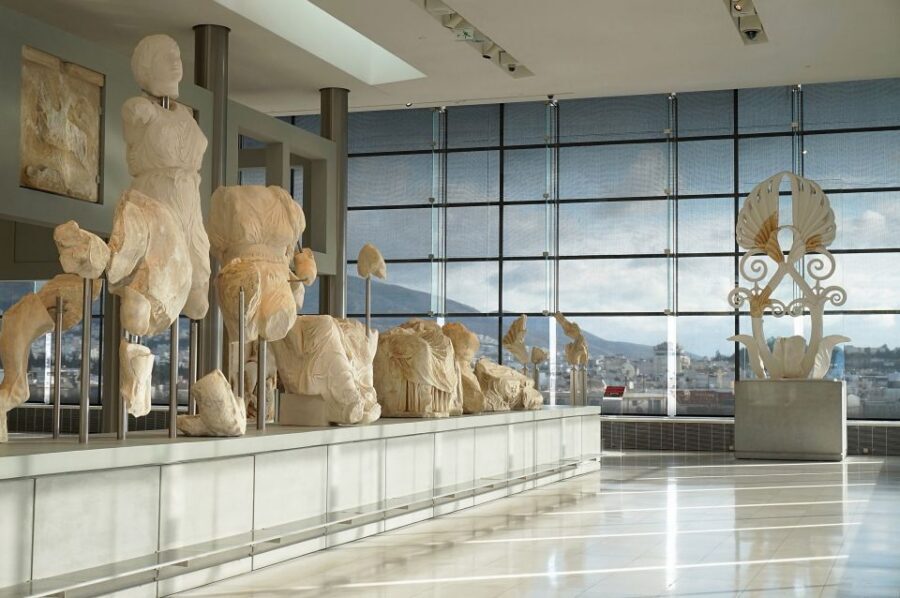
- Parthenon-related highlights like the Caryatids and the famous Parthenon Marbles display
- Hidden excavation views under the museum, showing what was found and preserved
What this ticket really gets you in Athens
This is an Acropolis Museum entry ticket for a self-guided visit, with an optional audio guide you download to your phone. The key practical point is that it’s museum-only: the ticket does not include Acropolis Hill entry, which you’d need to buy separately if you want the outdoor climb.
That distinction matters because the museum and the Acropolis feel like two halves of the same lesson. Indoors, you get the art and the artifacts with explanation and display choices that help you understand who made them and why. Outside, the Acropolis is the “stage,” and the museum is the “program notes.” If you do them in the right order, the second visit feels less like sightseeing and more like recognition.
The experience also includes a bonus audio option for Plaka (Old Town)—downloadable through the same app—so you can keep the ancient-to-modern connection going on your way through the neighborhood.
Other Acropolis and Parthenon tours we've reviewed in Athens



Fast entry: how to use your voucher at the museum gate

Your job at the start is simple. Go straight to the Acropolis Museum entrance and scan the barcode on your voucher at the validating machines. That’s how you convert the ticket you bought into actual entry access.
Why this matters: Athens sees big waves of visitors, and even when the line moves, you’re standing still in the heat (or rain). People appreciated the skip-the-line part especially when the weather was rough, because the museum is indoors and comfortable.
One more practical note: some people even said they didn’t find a huge queue on their day, but the pre-arranged entry still gives you a smoother start. If your plan is tight, I’d treat this as time insurance, not just a convenience.
Inside the museum: the self-guided route that makes the Acropolis click
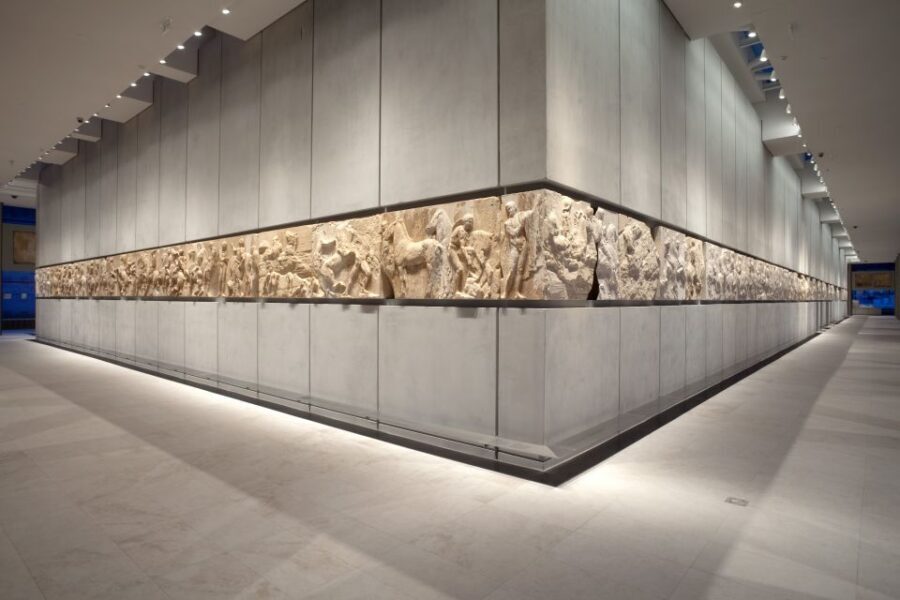
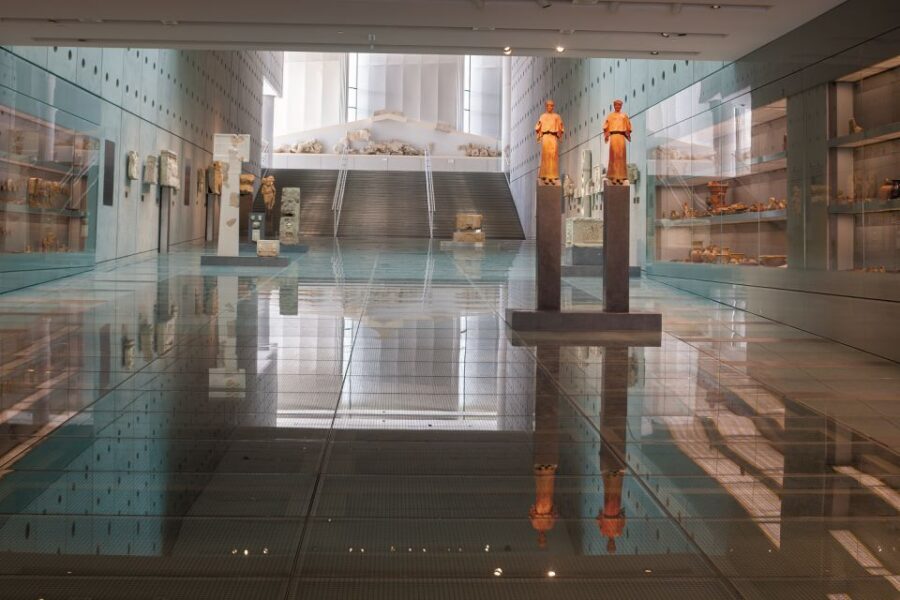
The museum is famous for how it connects daily life on the hill to the monumental art that people associate with Athens. Your visit will be mostly walking at your own pace through different exhibit spaces and floor levels, with explanations tied to the Acropolis.
Here’s how to think about the flow so you don’t end up wandering with no plan:
- Start with the big sculptures and the named highlights. This is where your brain builds the “anchor images” you’ll carry outside when you visit the Acropolis.
- Then move into the broader collections. This is where the museum turns famous statues into evidence—what people built, used, honored, and left behind.
- Finish with the context pieces. By then, you’ll understand how the exhibits connect to the Golden Age and why ancient Athens looked the way it did.
This is also one of those museums where the order helps. If you visit before the Acropolis, the outdoor structures feel less overwhelming because you already know what you’re looking for. If you visit after, you’ll understand details you might otherwise ignore—like the symbolism behind certain figures and the practical role sculptures played in public space.
The exhibits you should not rush past

The museum’s strongest value is that it shows you the Acropolis story with artifacts you can actually study. A few highlights keep coming up for good reason.
Parthenon Marbles and the museum’s star sculptures
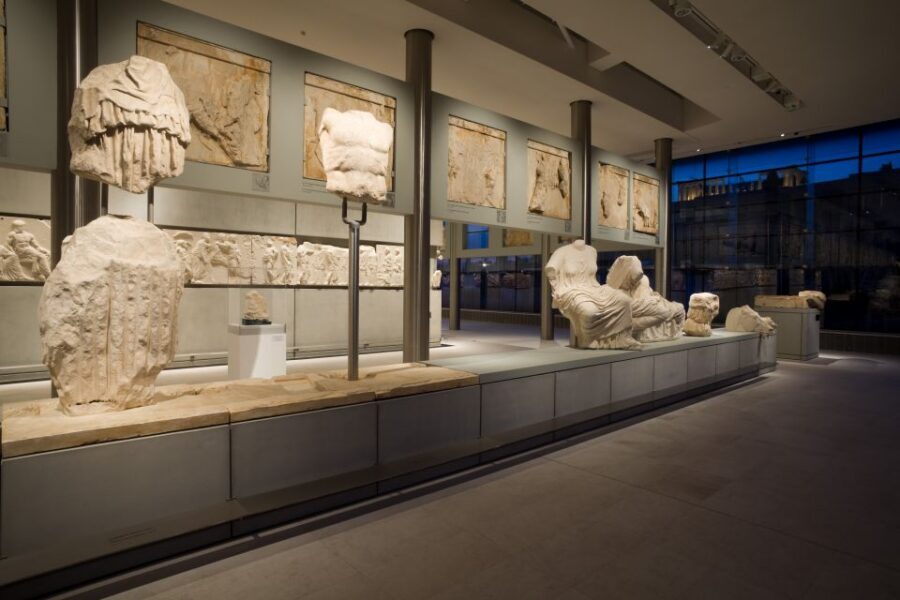
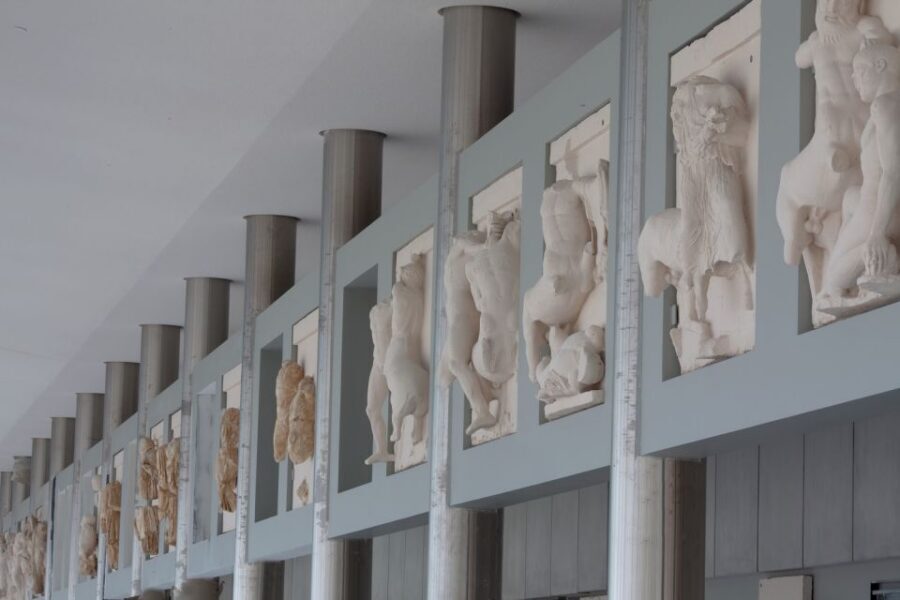
The most famous “must-see” exhibit is the Parthenon Marbles, tied to the Parthenon and the artistic world of the Acropolis. This isn’t just about fame. In the museum setting, you can see the scale, craftsmanship, and themes without the visual clutter of being outdoors.
People also consistently mention the Acropolis Caryatids as a standout. Seeing them indoors changes your perception: you can spot details and understand why these figures became iconic symbols of Athens.
Other Acropolis Museum tours we've reviewed in Athens





The collections that explain everyday ancient life
It’s easy to go to the Acropolis Museum expecting only grand statues. The museum does something better: it frames those masterpieces alongside evidence of ordinary life. You’ll see artifacts and finds that help you picture how ancient Athenians lived, worked, and believed—then you’ll notice how those ideas echo into the modern world.
If you like museums that make you feel you’re learning something practical (not just looking), this part is where it pays off.
The under-museum excavation area
One especially memorable aspect from feedback: the excavation spaces beneath the museum. You’re able to see ruins found and preserved, and it gives the whole experience a grounded, physical feeling. It’s not just replicas and display cases—it’s a place layered with what was uncovered.
If you hate feeling like you’ve seen everything too fast, aim to spend time here. It turns your visit from “a stop on a list” into a place with real archaeology underneath it.
The optional audio guide app: when it helps (and when it doesn’t)
If you pick the optional audio guide, you download it to your phone via the app. No physical audio device is provided, and you’ll be listening through your own phone and headphones. The available languages are English, Spanish, French, German, and Italian.
So, is it worth it? For many people, yes—because it makes the museum easier to tackle self-guided. A number of visitors said the audio made the stories clear and helped them focus on key pieces. It’s also useful if you want to stop, look longer, then move on when you’re ready.
But there’s a key consideration: a few people found the recorded segments either hard to follow or not as detailed as expected. That doesn’t mean audio is bad; it means you should set expectations. This is an audio guide for self-paced touring, not a live lecturer running the show.
My practical suggestion: if you’re the kind of visitor who likes to read labels, you might not need audio everywhere. Use it strategically—start audio when you enter the “big sculpture zone,” then turn it off for sections where you want quiet time.
How long should you plan for? Give the museum room

The museum is large, and it rewards time. Some visitors recommended setting aside real time rather than treating it like a quick stop. The best mindset is: you’re not just walking through rooms, you’re letting the exhibits build connections.
If you’re short on hours, you can still get a lot done by focusing on the top highlights first. If you can, plan a longer window so you can slow down at the sculptures, spend time in the collection areas, and linger for views.
People also mentioned the museum has areas to sit, plus a café experience that can be a nice reset during a long walk. One person wished for more benches, especially after climbing the Acropolis—so if you’re visiting on a hot day, plan to take your breaks seriously.
Pairing the museum with the Acropolis hill visit

This ticket helps you understand the Acropolis, but it doesn’t replace a hill visit. In fact, it’s often best as your “warm-up brain” before you go up top.
If you’re deciding on order, here’s the logic I’d follow:
- Museum first: You’ll recognize key forms and themes outdoors, so the Acropolis stops feeling like random stone.
- Acropolis first: The museum becomes a recovery and explanation session, turning your climb into context.
One practical tip that showed up in feedback: people suggested going before the Parthenon visit and then snapping photos from the restaurant terrace. Even if you’re not making a full day of it, the museum’s indoor-outdoor windows and upper-floor views can be a satisfying moment.
Ticket value and what the price really buys
The price you listed is about $30 per person. For that, you’re paying for:
- Admission to a top-tier museum (one of the world’s best, according to its reputation)
- Skip-the-line entry through the voucher/barcode setup
- Optional downloadable audio content (Museum audio if selected, plus Plaka audio)
When value is high: when you arrive during peak hours, when the weather is unpleasant, or when you want to spend your limited Athens time efficiently. The skip-line piece is the most “felt” value—because time sitting in a queue is time you can’t spend appreciating sculptures, labels, and exhibits.
When value might feel lower: if you don’t like audio and you already plan to spend hours reading every label. Still, the museum itself is the main draw. The audio is optional support, not the core product.
Practical tips so your visit feels smooth
A few small things can change your experience a lot:
- Arrive with a plan for pacing. The museum is large; decide whether you want to see everything or hit the core highlights thoroughly.
- Bring headphones if you choose audio. The tour app uses your phone, and you’ll need your own headphones.
- Expect a busy setting. Many people found it comfortable and navigable, but big museums still get crowded during peak times.
- Plan for weather swings. One nice payoff: the museum is a great indoor option if the day is rainy.
- Use photo breaks wisely. People liked views from higher areas and from the terrace. Take those moments when you’re not rushing.
Also, if you end up doing a more guided add-on elsewhere in Athens, I noticed names like Natasha, Ayoub Fayez, Alexandra Kolia, and Anna showing up in feedback. That’s not part of this ticket, but it’s a good reminder: when someone explains what you’re looking at, it can sharpen the experience fast.
Opening hours you need to match to your day
Museum hours vary by season, and this can affect your best time to go.
- November to March:
- Monday to Thursday 9:00 AM–5:00 PM (last entry 4:30 PM)
- Friday 9:00 AM–10:00 PM (last entry 9:30 PM)
- Saturday and Sunday 9:00 AM–8:00 PM (last entry 7:30 PM)
- April to October:
- Monday 9:00 AM–5:00 PM (last entry 4:30 PM)
- Tuesday to Thursday 9:00 AM–8:00 PM (last entry 7:30 PM)
- Friday 9:00 AM–10:00 PM (last entry 9:30 PM)
- Saturday and Sunday 9:00 AM–8:00 PM (last entry 7:30 PM)
If you want an easier experience, aim earlier in the day when possible. If you’re flexible, Friday late hours can be a good way to avoid midday heat.
Who this museum ticket suits best
This ticket is a great fit if you want:
- Self-guided touring at your pace
- A museum visit that helps you understand the Acropolis, not just look at it
- A way to save time with skip-the-line entry
- The option to add structured audio in multiple languages
It’s also a good choice for solo travelers who don’t want to coordinate with a group schedule. Some solo-friendly feedback specifically mentioned enjoying the museum while learning through the information provided, and that’s exactly the kind of traveler this works for.
It might be less ideal if you strongly prefer live commentary or you expect the audio to function like a guided tour with lots of interactive detail. In that case, consider whether a live guide elsewhere fits your style better.
Should you book this Acropolis Museum ticket?
Yes—if your goal is to get the most meaning from the Acropolis without wasting time in lines, this booking is a strong move.
Book it if:
- You want fast entry and a smoother start
- You like learning through exhibits and optional audio
- You plan to pair the museum with the Acropolis hill later
Skip it or reconsider the audio option if:
- You dislike app-based audio and prefer reading labels only
- You’re determined to spend so much time outdoors that museum audio won’t help
- You’re arriving with very limited time and need a tight “highlights only” strategy
If you’re torn, I’d still book the ticket and decide on the audio once you’re inside. The museum itself is the main event, and the audio is optional support.
FAQ
What is included with this Acropolis Museum ticket?
You get the Acropolis Museum entry ticket plus an optional downloadable museum audio guide (if you select that option). The package also includes a downloadable Athens old town (Plaka) audio guide.
Do I need to buy an Acropolis Hill ticket separately?
Yes. This ticket includes the museum only. Acropolis Hill entry ticket is not included.
How do I use my voucher to enter?
Go directly to the entrance of the Acropolis Museum and scan the barcode on your voucher at the validating machines.
What languages are available for the audio guide?
The optional audio guide is available in English, Spanish, French, German, and Italian.
Is there a live guide included?
No. A live guide is not included. The audio is self-guided via the app if you select the audio option.
Do I need headphones?
Yes. A mobile device and headphones are not included, so you’ll use your own phone and headphones for the audio guide.
Is the museum accessible for wheelchair users?
Yes. The experience is wheelchair accessible.