REVIEW · ATHENS
Athens: Acropolis Wine Tasting with Cheese and Olives
Book on GetYourGuide →Operated by ATHENS WINE TASTING · Bookable on GetYourGuide
One smart way to learn Greek wine fast: short, guided, and practical. This Acropolis wine tasting is built around a small semi-private group and a virtual tour that connects Attica vineyards to ancient winemaking, while you taste five wines (3 white, 2 red). I especially like the guided method for evaluating wine, and the way the pairings make the flavors click. The one possible downside: it’s not the cheapest Athens activity, so you’ll want to be sure you actually enjoy wine lessons (and not just wine sipping).
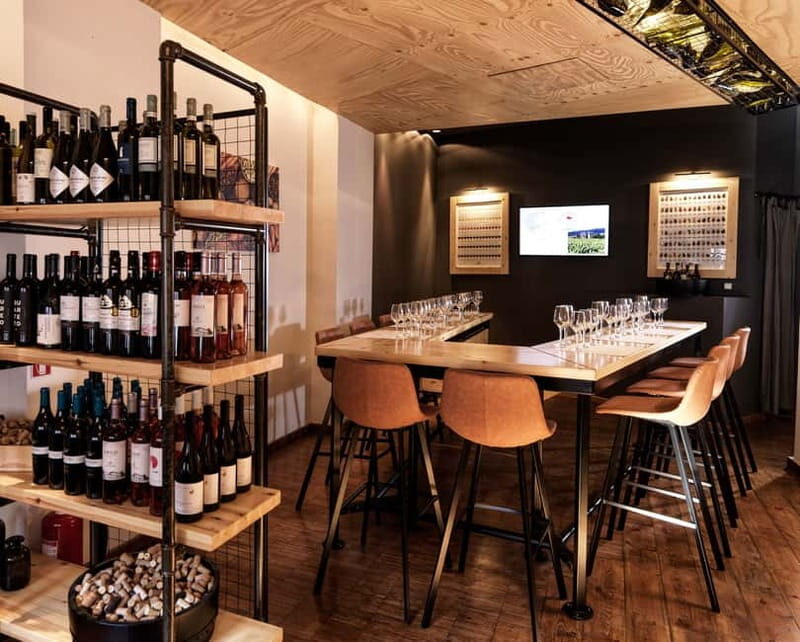
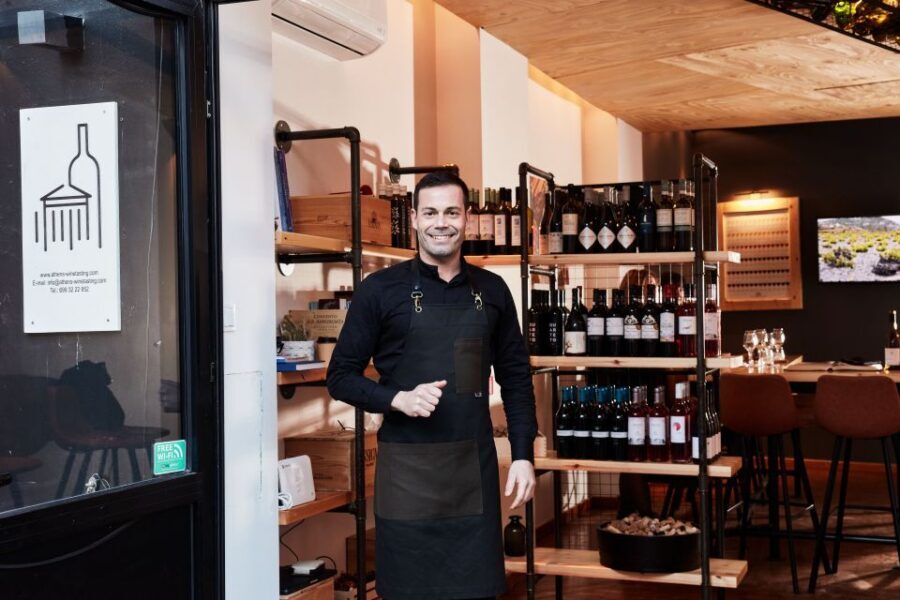
You start at Tournavitou 9 near Thissio Metro, then settle into a tasting room setting designed for conversation and focus. Expect an upbeat session that mixes wine science with Greek food and wine history, including stories tied to Dionysus. Some sessions are led by experts such as Evalina, Tonia, or Fortinia, and the common thread is clear instruction and plenty of questions.
In This Review
- Key highlights worth your time
- Right Under the Acropolis: Where the Tasting Starts
- The 90-Minute Format and What You Actually Taste
- Attica Vineyards Virtual Tour: Ancient Winemaking to Modern Glass
- How You Learn to Spot Quality Wine (Without Snobbery)
- Greek Cheeses, Olives, and Bread Rusks: Pairing That Works
- Dionysus and Ancient Wine Culture You Can Remember
- Price and Value: Is $55 a Good Deal?
- Who This Wine Class Fits Best (and Who Might Skip)
- Should You Book the Acropolis Wine Tasting With Cheese and Olives?
- FAQ
- How long is the wine tasting?
- What’s included in the price?
- Where is the meeting point?
- Do I need to be 18+?
- Is the tour offered in languages other than English?
- Are dietary restrictions accommodated?
Key highlights worth your time
- 5 Greek wines in 90 minutes: 3 whites and 2 reds, with tasting notes you can keep
- Virtual tour of Attica: grape varieties and ancient winemaking processes explained step-by-step
- Real tasting technique: you learn how to assess wine by look, smell, taste, and alcohol level
- Pairing that isn’t an afterthought: cheeses from across Greece plus Greek olives and homemade bread rusks
- Small group feel: usually about 8–10 people, so it stays social but not chaotic
- Ancient myths meet modern bottles: Dionysus stories tied to how Greeks thought about wine
Right Under the Acropolis: Where the Tasting Starts
This is the kind of Athens activity that makes you feel like you’re getting more than the sum of its parts. You meet at Tournavitou 9 in Thiseio, very close to the Thissio Metro. It’s a convenient start point if you’re already spending time around central Athens, and it also keeps the experience simple—no long transit, no complicated schedule to decode.
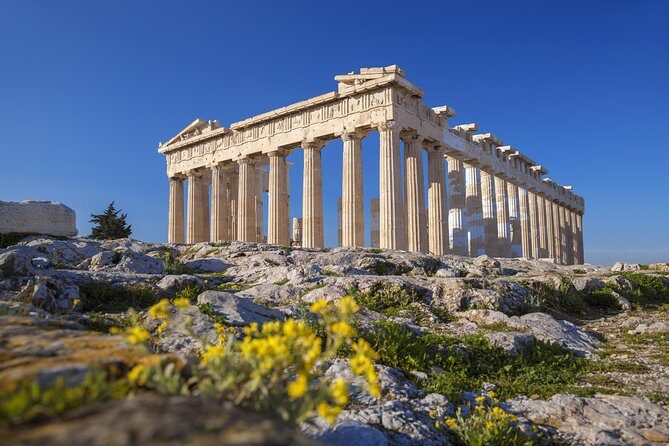
Then there’s the setting. The tasting takes place in a space right under the Acropolis, and that matters more than you might think. You’re not just tasting Greek wine in a random room. You’re in the emotional neighborhood of the stories and rituals that helped shape how Greeks saw wine—both historically and as a living culture today.
Other Acropolis and Parthenon tours we've reviewed in Athens


The 90-Minute Format and What You Actually Taste
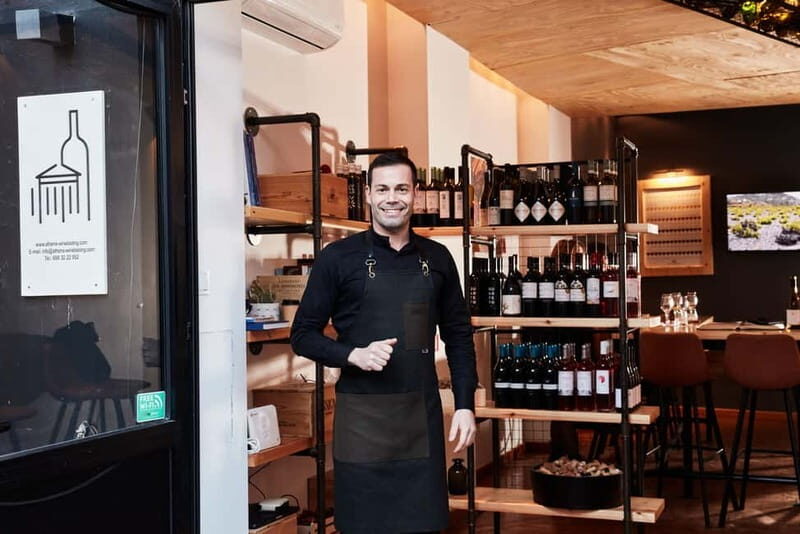
The total time is about 1.5 hours, which is a sweet spot. Long enough to learn something real, short enough that you can still enjoy an Athens evening afterward.
Here’s what you can count on tasting:
- Five different Greek wines
- 3 whites and 2 reds
- Pairings of local cheeses from across Greece, plus Greek olives and homemade bread rusks
- Bottled water and a wine cheat sheet so you don’t lose track of what you liked
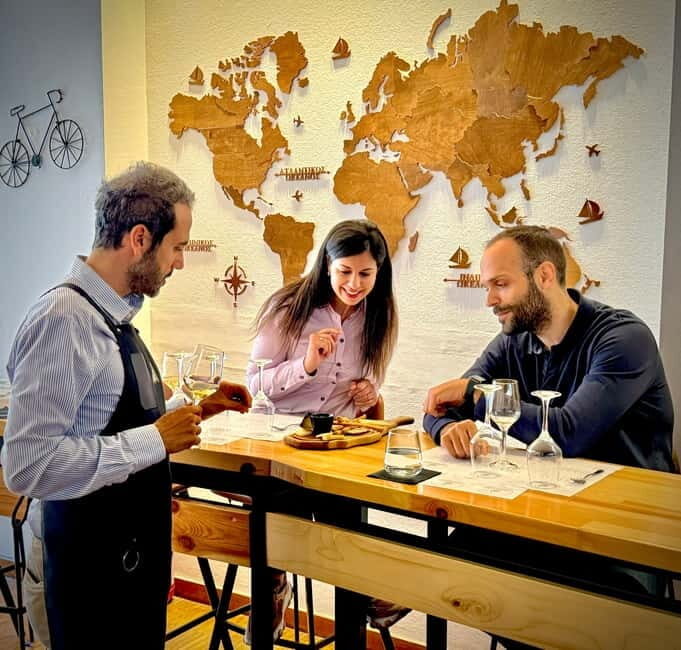
What I like about this format is that it’s not a vague “try some wines and vibes.” It’s structured. You get an order, you get guidance, and you get enough contrast between bottles that your brain starts making comparisons fast—dry versus aromatic, light versus fuller bodies, and how acidity changes with region and grape variety.
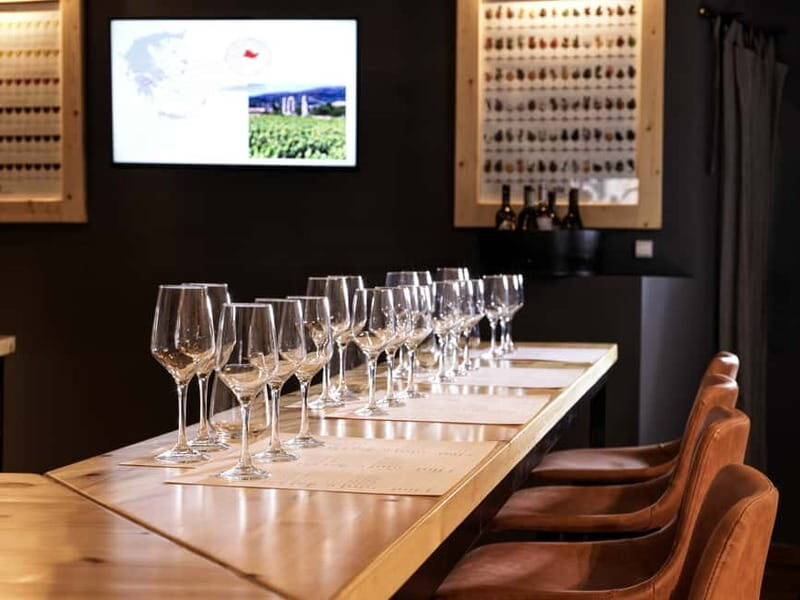
Also, the group size keeps it human. You’ll usually be part of a group of around 8–10 people. That’s small enough for questions and back-and-forth, but large enough that the session feels lively.
Attica Vineyards Virtual Tour: Ancient Winemaking to Modern Glass
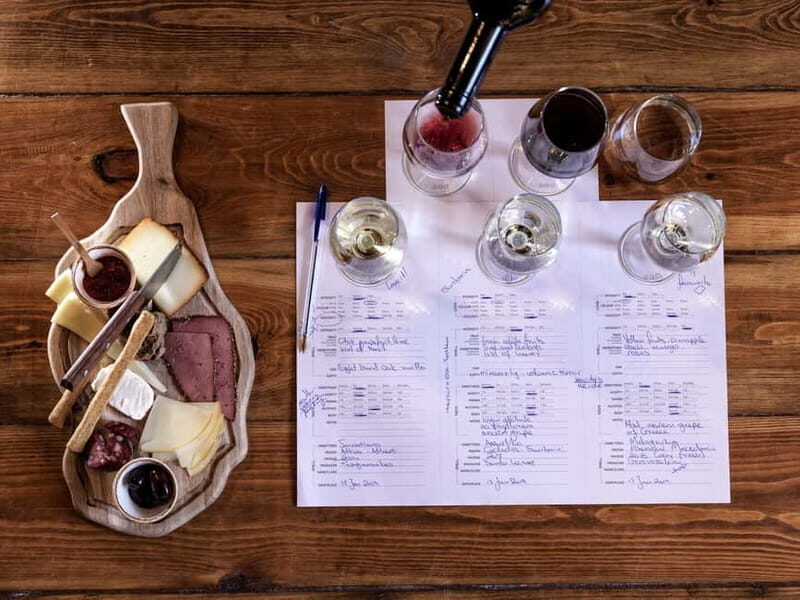
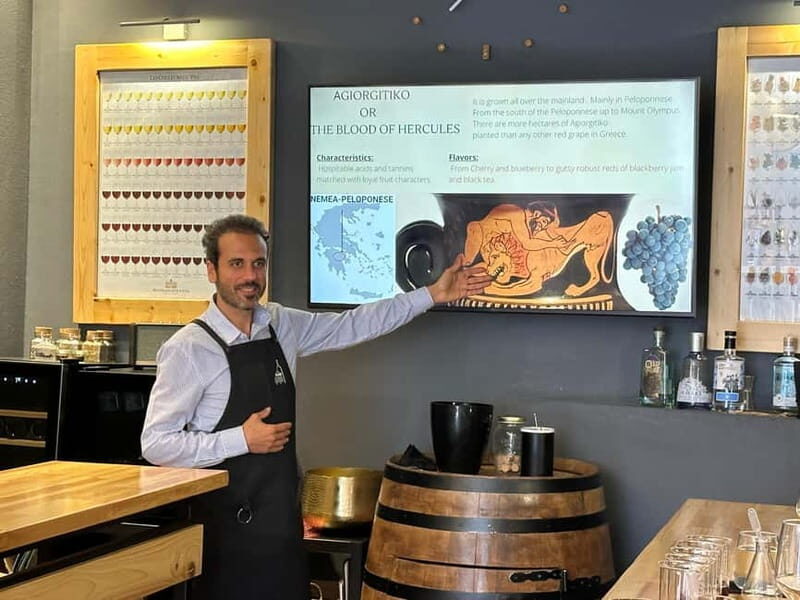
One of the most distinctive parts is the virtual tour. You’re not looking at grape photos and guessing. You’re taken through Attica vineyards, the grape varieties, and ancient winemaking processes tied to how wine was traditionally made in Greece.
Why that’s valuable: it turns wine from a product into a story you can taste. When someone explains how grapes behave in a specific climate or why traditional winemaking matters, you start to recognize patterns instead of just chasing whatever is sweetest or strongest.
In the same arc, you also get a tour through historic Greek wine regions and the styles of wine that were traditionally produced. Then it shifts to today—what modern Greek winemakers are doing and how those modern bottles fit alongside Greek cuisine.
Even if you know nothing about Greek wine, you’re not stuck. You’re given context early, so the tasting has meaning. And if you already like wine, you get details that help you label what you’re sensing instead of relying on guesses.
How You Learn to Spot Quality Wine (Without Snobbery)
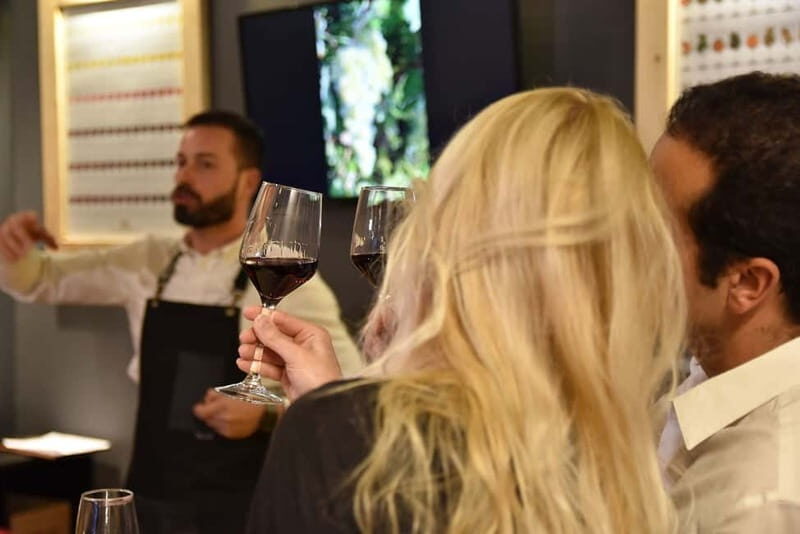
This is where the experience earns its price. The session teaches you a method for evaluating wine quality in a way that doesn’t require you to be a sommelier.
You’ll be guided through a formal tasting approach, including:
- Color: what you see in the glass
- Smell: how aromas signal grape character and style
- Taste: how flavor, body, and balance come together
- Alcohol level: how strength can shift texture and finish
The big win is that you learn a process you can reuse later—on a wine list in Athens, at a shop when you’re trying to buy something you actually enjoyed, or at a dinner table when someone brings a bottle from Greece.
I also like that the cheat sheet exists for a reason. After tasting five wines back-to-back, it’s easy to lose track. A note page helps you remember what you liked and why, so you can replicate the experience instead of wondering which bottle it was.
One small caution: a few people wanted a clearer list of exactly which wines they tasted so they could buy the ones they loved. If you care about that, plan to ask your guide for wine names during the session, and use the cheat sheet to write down what you want.
Greek Cheeses, Olives, and Bread Rusks: Pairing That Works
Wine tastings often treat food like a polite accessory. Here, the food is part of the lesson.
You’ll get a selection of five local cheeses from across Greece, along with Greek olives and homemade bread rusks. The pairing matters because it changes what you notice in the wine:
- Salty, briny olives can sharpen fruit and lift acidity
- Different cheeses can highlight texture—creamy, firm, sharp
- Bread rusks add a neutral base so flavors stand out
What makes this feel authentic is that it mirrors what Greek cuisine does well: simple ingredients treated with care, and flavor combinations built on contrast. You’re not just learning how wine tastes. You’re learning how Greek-style foods help you understand wine.
And the tasting portion is not stingy. People describe the tastings as generous, which makes the education feel more worthwhile because you get enough wine to actually learn, not just sample.
Other Acropolis wine-tasting experiences we've reviewed in Athens






Dionysus and Ancient Wine Culture You Can Remember
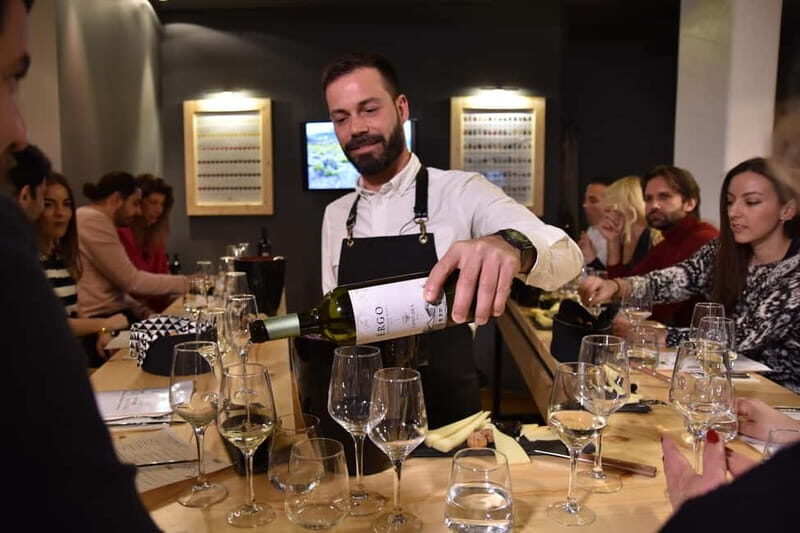
The myths aren’t added for decoration. Dionysus—the God tied to wine and fertility—shows up as part of the explanation of how Greeks thought about wine historically.
You get stories and history woven into the tasting so the wines aren’t floating in a vacuum. That’s especially useful in Athens, where food and drink feel tied to place and tradition. The session links past beliefs and social rituals to what you drink now, which helps the whole thing click.
If you like history but hate museum lectures, this strikes a better balance: it’s taught through taste and through simple explanations. It doesn’t require you to memorize dates to enjoy it.
Price and Value: Is $55 a Good Deal?
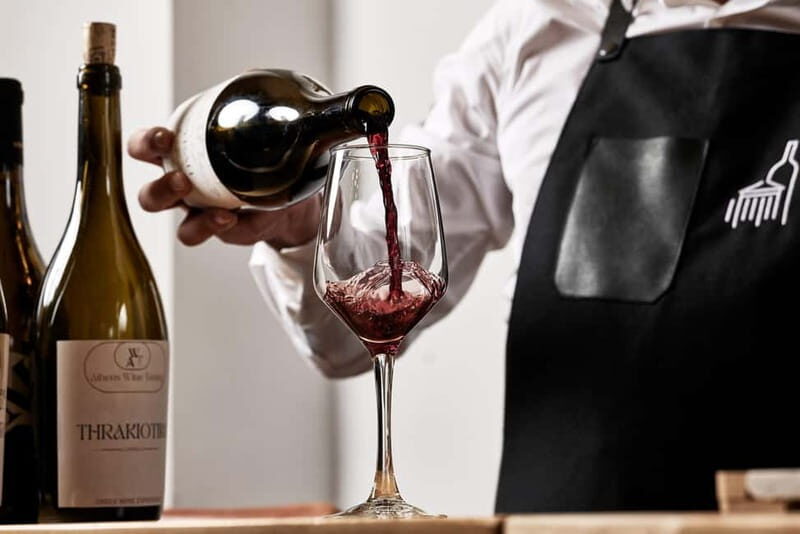
At about $55 per person, this isn’t a budget stop. Still, it can be good value if you understand what you’re buying.
You’re not paying only for five wines. You’re paying for:
- A guided tasting focused on wine evaluation skills
- A structured comparison across five Greek wines
- Pairing with cheese, olives, and bread rusks
- A virtual tour that connects Attica vineyards and ancient practices to modern production
- A certified wine expert guiding you in English (and Greek)
If you’ve ever done a basic “sip and smile” tasting, this feels more like a class. That’s why many people rate it extremely highly: it’s educational, not just alcoholic tourism.
The one time I’d hesitate is if you’re hoping for an easy tasting with no learning component. This is social, but it expects you to pay attention. You’ll get more out of it if you want to understand what you like, not only taste it.
Who This Wine Class Fits Best (and Who Might Skip)
This works best for:
- Wine lovers who want a practical way to evaluate what’s in the glass
- Curious first-timers who want structure and context (not pressure)
- People who like learning history through food and drink
- Anyone staying near central Athens and wanting a compact, high-value activity
It’s less ideal if:
- You dislike wine education and prefer a purely relaxed tasting
- You’re under 18 (the tasting is for adults only, with valid photo ID or passport required)
- You have special dietary needs—this can usually be managed, but you need to tell the provider at booking
It’s also offered as a private group option if you’d rather keep things quieter or more personal.
Should You Book the Acropolis Wine Tasting With Cheese and Olives?
I think you should book it if you want a smart Athens experience that mixes Greek wine regions, tasting technique, and actual food pairings—all in about 90 minutes. The setting under the Acropolis makes it feel connected to place, and the lesson focus gives you something to take home: how to evaluate wine and how to remember what you liked.
If you’re on the fence because of price, treat it like an investment in skills plus a meal-style tasting. If you’re excited to learn how Greek wines work—especially through a guided method—this is a very strong pick. If you only want casual sipping with minimal instruction, you might feel the cost more than the value.
FAQ
How long is the wine tasting?
The experience lasts about 1.5 hours.
What’s included in the price?
You’ll get 5 Greek wines, cheese pairings, Greek olives, homemade bread rusks, bottled water, plus a list of the wines and a cheat sheet to help you take notes.
Where is the meeting point?
Meet at Tournavitou 9, in Thiseio, very close to the Thissio Metro station.
Do I need to be 18+?
Yes. You must be at least 18 years old and bring a valid photo ID or passport for the tasting.
Is the tour offered in languages other than English?
Yes. The live guide speaks English and Greek.
Are dietary restrictions accommodated?
You should share any dietary restrictions or requirements at the time of booking so the team can account for them.