REVIEW · ATHENS
Acropolis & Athens Highlights with Food Tasting
Book on Viator →Operated by Athens Walking Tours · Bookable on Viator
Athens can feel like a blur—until you walk it in the right order. This 4-hour Acropolis and Athens highlights tour strings together the big monuments and then finishes with traditional Greek tastings in lively Plaka and Monastiraki. It’s a practical way to see the Acropolis without spending your limited vacation time with maps, guesswork, or guidebook pages.
I like that the tour is built around “what you’re looking at” moments. You’ll hit major stops like the Parthenon, Temple of Athena Nike, and the Erechtheion, with an expert guide keeping the story clear while you also get time for photos. I also like the food portion: you’re not just tasting, you’re learning what to order and why, with options that have proven vegetarian-friendly for some guests.
One consideration: the Acropolis entry is strict. You’ll go through security and you can face 30+ minutes in peak-season lines, and the group can’t wait for latecomers—so start your day early and plan your route to the meeting point.
In This Review
- Key highlights you’ll actually feel on this tour
- A smart way to “do Athens” in 4 focused hours
- Meeting point and the Acropolis gate: what to plan for
- Acropolis highlights: Parthenon, Nike Temple, and the Caryatids
- Stop: Acropolis main monuments (including Parthenon area)
- Stop: Theatre of Dionysus (birthplace of Western theater vibe)
- Stop: Odeon of Herodes Atticus (still in use)
- Stop: Propylaea (the monumental gateway)
- Stop: Parthenon (icon, but also context)
- Stop: Temple of Athena Nike (elegant Ionic lines)
- Stop: Erechtheion and the Caryatid Porch
- Monastiraki and Plaka: where the city turns into your playground
- Monastiraki (food tasting in the middle of the action)
- Plaka and Anafiotika photo time
- The food tasting: what you’ll likely try (and how to use it later)
- Guides, group size, and pacing: why the experience feels smooth
- Practical value: what’s included, what’s not, and how to pack
- Who this tour suits best (and who should think twice)
- Should you book this Acropolis & Athens Highlights with Food Tasting?
- FAQ
- What time does the tour start, and where do I meet?
- Where does the tour end?
- Is the tour mostly walking?
- What’s included in the price?
- Are meals and drinks included besides the tasting?
- What happens if I’m late for Acropolis entry?
Key highlights you’ll actually feel on this tour
- Skip-the-headache guidance at the Acropolis, so the monuments connect fast instead of feeling like random ruins
- Photo-friendly walking route through Plaka and hillside Anafiotika viewpoints after the main sites
- Food tasting with local-style stops, including sweet and savory bites (coffee gets a lot of love)
- Small group size (max 24) helps you move smoothly and ask questions
- Entrance fees and a licensed English guide are handled for you, so you’re not juggling tickets
- Rain or shine means you’re not stuck waiting around for perfect weather
A smart way to “do Athens” in 4 focused hours
If you only have one morning for Athens, this format makes sense. You get the Acropolis complex while the light is still favorable and your legs aren’t fully cooked by afternoon heat. Then you slide into the neighborhoods—Monastiraki first, then Plaka—where Athens feels like a real city you can still enjoy after the big-ticket monuments.
The value is in how the parts work together. The Acropolis stops explain the why behind the architecture (who built what, what symbolized what), and then the food portion grounds you in everyday Greek culture. It’s history plus flavor, not just “look at a building.”
At $102.12 per person for a 4-hour guided experience, the price isn’t about buying a ticket twice—it’s mostly about convenience. You’re paying for a licensed English-speaking guide, entrance fees, and the food tasting, plus an Athens map and guide magazine to keep you oriented afterward.
Other Acropolis and Parthenon tours we've reviewed in Athens
Meeting point and the Acropolis gate: what to plan for
The tour starts at 8:30 am at Dionysiou Areopagitou 3, Athina 117 42. It ends near Monastiraki. That matters because you’ll finish your morning in a convenient part of town for lunch, shopping, and more wandering.
Here’s the reality check you should take seriously: all visitors go through airport-style security at the Acropolis, and in peak season you may wait 30+ minutes. On top of that, the Acropolis entry time is tight. The tour notes that they can’t wait for latecomers and there are no refunds for missing the time window. In practice, that means showing up early isn’t extra—it’s part of the plan.
If you’re coming in from a cruise port or another area with traffic, give yourself a buffer. One review mentioned a tough start due to traffic and late arrival, and the team helped get people back on track. Still, don’t bank on miracles. Build in extra time so you can stay relaxed.
Acropolis highlights: Parthenon, Nike Temple, and the Caryatids
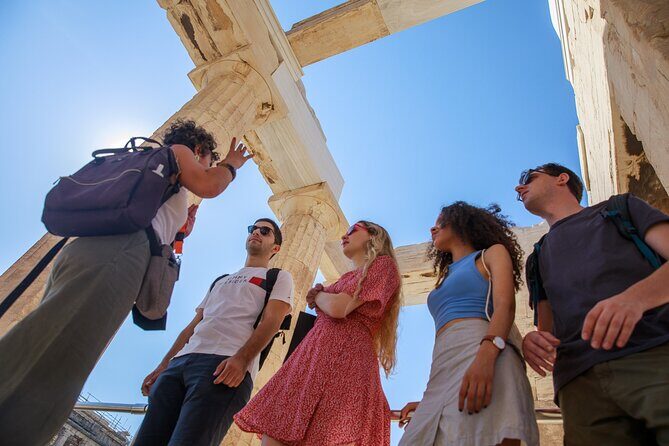
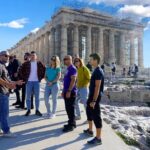
This part of the tour is about seeing the Acropolis as a connected system, not a list of famous names. You’ll walk through key monuments with short, focused stops that keep the pace manageable (though it is uphill and you’ll be on foot for the whole experience). The guides often use “spot and explain” methods, which helps you understand what you’re seeing while you’re still standing in front of it.
Stop: Acropolis main monuments (including Parthenon area)
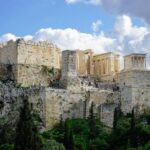
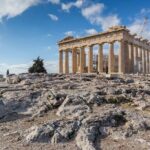
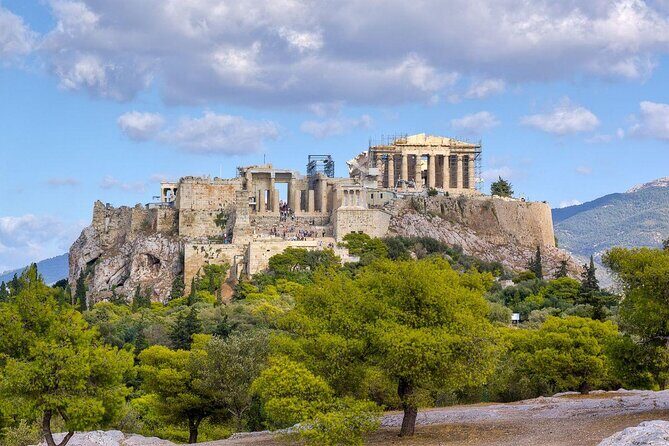
You start with an in-depth exploration of the Acropolis complex, with time at the major landmarks. Expect an overview that frames the site: what each structure’s role was and how the layout supports the big story Athens is famous for. The Parthenon area alone can feel overwhelming if you show up cold—this tour’s strength is turning that into clear visuals and memorable connections.
Admission is included here, and it’s worth noting that the tour handles the ticket component for you (and even if the Acropolis entry is free on your date, the tour accounts for that cost in the pricing).
Stop: Theatre of Dionysus (birthplace of Western theater vibe)
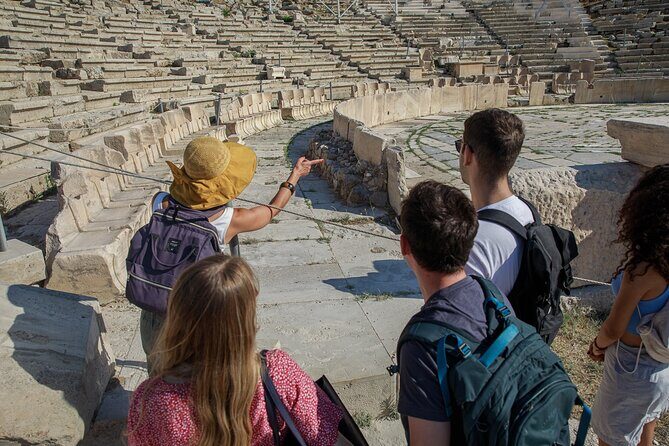
Next comes the Theatre of Dionysus, tied to the roots of Western theater. If you’ve heard that phrasing before, this is where it becomes real. You’ll also learn about nearby sacred and medical spaces tied to Dionysus—plus the Asclepieion connection (a reminder that Athens didn’t keep “art” and “life” in separate boxes).
This is one of those stops where photos can be tricky if the crowd is thick, so arriving with a guide who points out the best angles is genuinely helpful.
Other Athens city highlights tours we've reviewed in Athens

Stop: Odeon of Herodes Atticus (still in use)
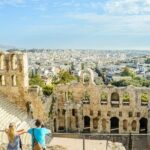
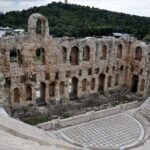
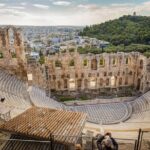
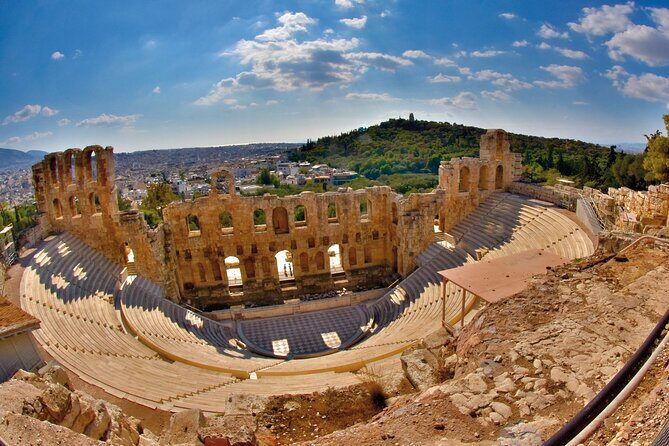
You’ll also get to the Odeon of Herodes Atticus, known for its impressive structure and its continued use for performances today. Even if you don’t plan to attend a show, seeing a living performance venue inside an ancient setting makes the whole Acropolis feel less like a museum and more like a city that kept evolving.
Stop: Propylaea (the monumental gateway)
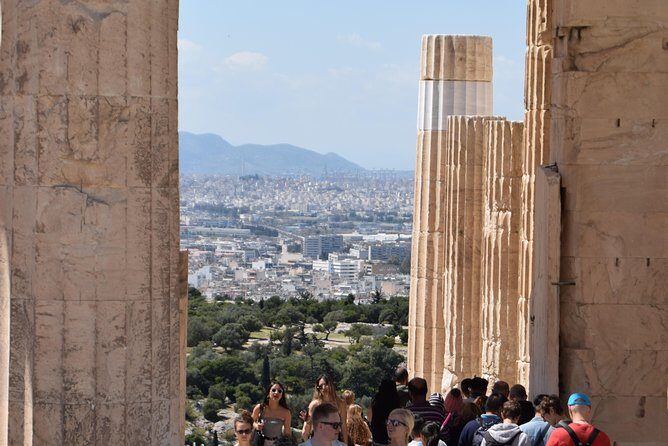
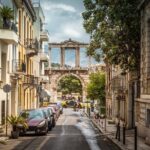
The Propylaea is one of those elements that people skim over because it’s not as instantly famous as the Parthenon. But it’s a gateway with serious architectural intent, and you’ll appreciate it more when a guide points out how it functions as the transition into the sacred core.
Stop: Parthenon (icon, but also context)
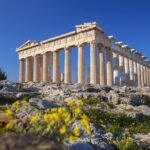
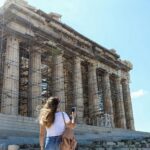
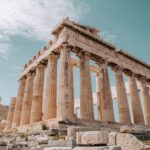
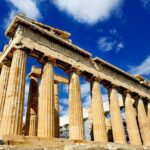
The tour then positions you right at the Parthenon, the temple dedicated to Athena and one of Athens’ most recognizable symbols. Standing there, you quickly realize why the Parthenon is always photographed—its lines pull your eyes across the space.
The value here isn’t just seeing it. It’s understanding what it was meant to communicate, and how the surrounding structures reinforce the message. The guide time is structured for both viewing and learning, so you don’t just “tick the box.”
Stop: Temple of Athena Nike (elegant Ionic lines)
The Temple of Athena Nike is smaller than the Parthenon, but it’s elegant—especially with its Ionic architecture details. If you like architectural “how it’s built” moments, this stop rewards you. You’ll see the victory symbolism too, which helps the temple feel purposeful rather than decorative.
Stop: Erechtheion and the Caryatid Porch
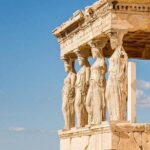
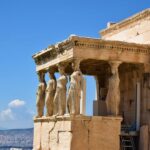
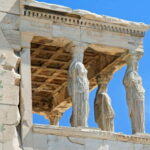
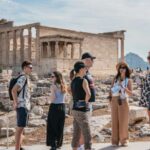
Finally comes the Erechtheion, including the famous Caryatid Porch. The Caryatids can be hard to appreciate in quick tourist snapshots, because you need to notice their design and placement. With the guide explaining what you’re seeing, the structure starts to make more sense—like how form, myth, and function all tied together.
Also, the guide time here matters because the Caryatids are where you’ll want your best photos. The tour is built to give you time for both the viewing and the camera work.
Monastiraki and Plaka: where the city turns into your playground
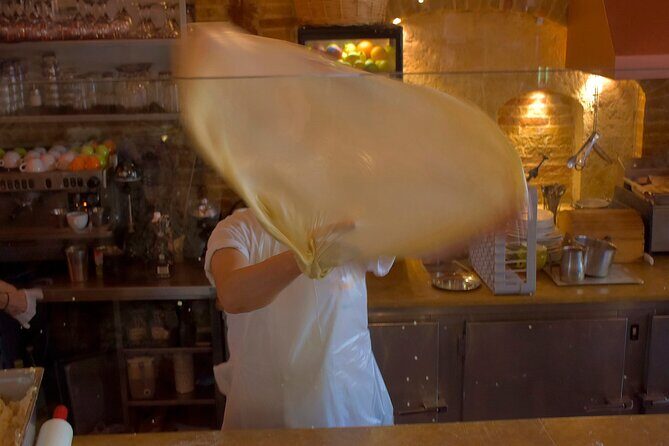
After the Acropolis, the pace shifts from “ancient focus” to “street life focus.” This is where you’ll feel Athens as a neighborhood city—markets, shops, and the slow rhythm of people going about their day.
Monastiraki (food tasting in the middle of the action)
You’ll spend about 1 hour in Monastiraki, with the food tasting centered here. Monastiraki has a mix of ancient echoes and everyday movement, and the guide helps you avoid the common trap: wandering into places that look good but aren’t actually where locals eat.
This hour isn’t just about taste; it’s about learning how to navigate Athens through food. You’ll get suggestions you can carry forward after the tour, like what to order when you spot the classics on menus.
Plaka and Anafiotika photo time
Then you head to Plaka, also about 1 hour, and that’s where the scenery gets postcard-simple. Plaka is Athens’ old neighborhood feel—older streets, historic corners, and constant opportunities to stop and look up.
The tour also highlights Anafiotika, the hillside area that gives you memorable views and a different vibe from the main street crowds. If you like photos with depth—streets that slope, buildings layered against the sky—this is where you’ll get it.
Plaka and Anafiotika can be busy, but that’s part of their charm. Go slow. Let the guide’s route get you to the best angles, then pause long enough to take a breath and absorb it.
The food tasting: what you’ll likely try (and how to use it later)
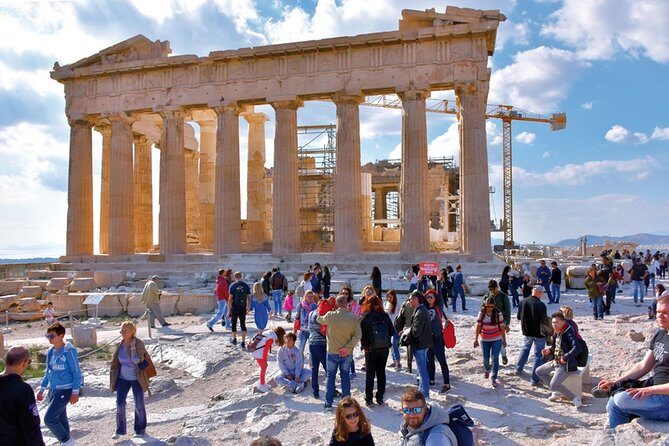
This tour includes a food tasting, and based on the experiences shared by past guests, it typically includes classic Greek bites across sweet and savory categories. People have specifically mentioned items like Greek yogurt, spanikopita, and orange cake, plus strong encouragement to try coffee.
One thing I appreciate is that the tasting format tends to work for different diets. At least one vegetarian guest described the food tasting as vegetarian-friendly, which is a big deal on tours where “local cuisine” often turns into “meat-first by default.”
If you want to get the most out of the tasting, keep one mental rule: treat it like a mini order training session. When you see the same menu items later, you’ll already know what to look for. That turns “tasting” into practical knowledge.
And yes, bring an appetite that matches your day. You’ll have walked a lot at the Acropolis, then you’ll keep walking through Monastiraki and Plaka. The tasting helps break up the schedule, but it’s still a real morning.
Guides, group size, and pacing: why the experience feels smooth
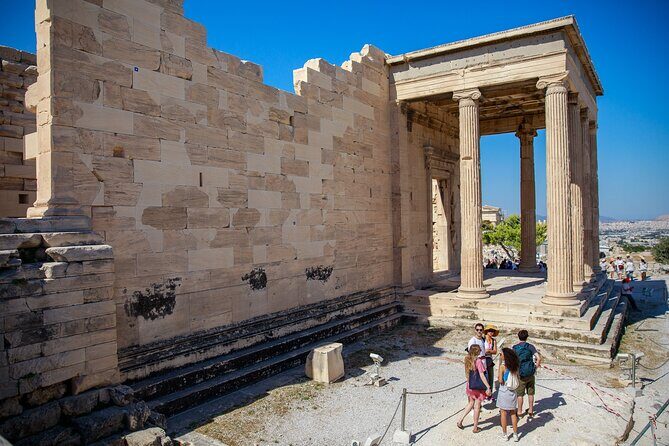
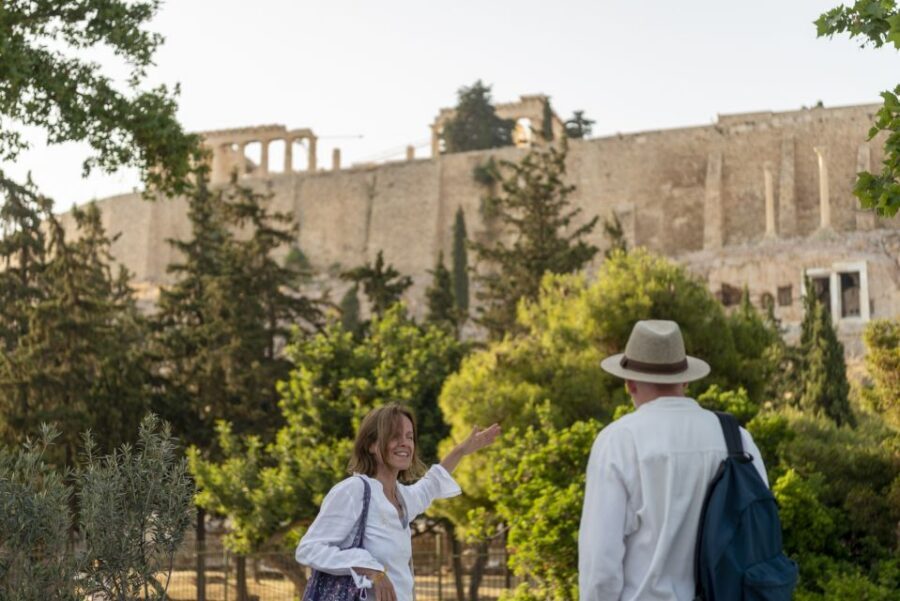
The tour is operated by Athens Walking Tours, and it’s led by a local licensed English-speaking guide. Maximum group size is 24 travelers, which is large enough to run efficiently but small enough that you’re not just a random face in a crowd.
In reviews, guides are frequently singled out by name—people like Dora for the Acropolis portion, and Stella and Eva for the food tasting portion. Others include Marina, Angel, Niovi, Hermes, Theo, Eli, and Georgia. While you may not get the same guide, the common theme is consistency: guides focus on making the site feel understandable and the food portion feel friendly and real.
Pacing is also an issue. Some guests say the walking pace felt fast, so if you move slower, you’ll want to wear comfortable shoes and keep your energy up from the start. The tour is described as having moderate physical fitness needs, and it’s entirely on foot. No toddlers for this one, either—0–5 years old isn’t recommended.
Practical value: what’s included, what’s not, and how to pack
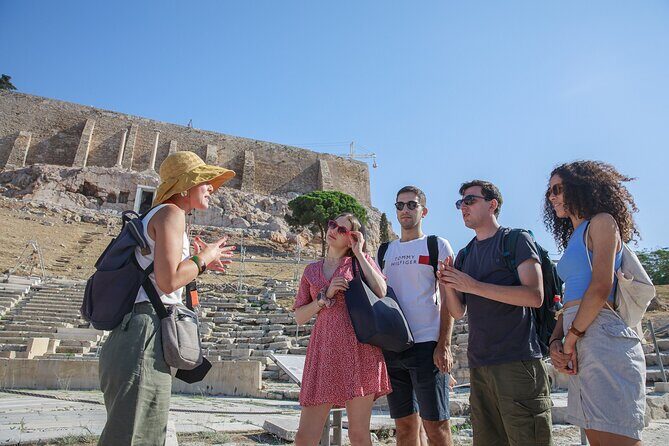
Included:
- Local licensed English-speaking guide
- Entrance fees
- Food tasting
- Athens guide magazine and Athens map
Not included:
- Food and beverages beyond the tasting
- Gratuities (Greece is often around 10% of service cost)
What to wear:
- Comfortable shoes. The Acropolis is uphill, and you’ll walk the whole route.
- Weather-ready clothes. The tour runs rain or shine, and the day can shift quickly in Athens.
What to bring:
- Water, especially in warm months.
- A phone with enough storage, because the viewpoints in Plaka/Anafiotika are the kind you’ll want to keep.
Also, remember that Acropolis security can be slow. If you’re prone to getting stressed in lines, treat this as a normal part of your morning—not a problem.
Who this tour suits best (and who should think twice)
This tour fits you if:
- You want the Acropolis plus neighborhoods in one morning.
- You prefer walking tours with explanations that help you connect the dots.
- You enjoy food experiences that feel local, not just a “show up, sample, leave” routine.
You might rethink it if:
- You’re sensitive to time pressure and tight entry windows. Latecomers can’t be waited for.
- You have very young kids (not recommended for ages 0–5).
- You’re expecting a low-walking experience. It’s done fully on foot, with an uphill climb and continuous movement.
Also, the tour can be physically demanding on hot days. That doesn’t mean it’s impossible—it means planning your day so you’re not fighting the weather and your schedule at the same time.
Should you book this Acropolis & Athens Highlights with Food Tasting?
I think it’s a strong buy if you want real Athens momentum: major monuments in the morning, then a food tasting and neighborhood wandering while you still have energy. The best reason to book is the mix—Acropolis context plus Greek flavors you can carry into the rest of your trip.
Book it if:
- You want your Acropolis visit explained clearly and efficiently.
- You’d rather spend your time walking and tasting than researching what to see next.
- You like the idea of finishing near Monastiraki, where you can keep eating and exploring.
Skip it if:
- You’re worried about strict entry times and security queues.
- You want a slower, sightseeing-only pace with lots of long rests.
If you’re the “one morning, do it right” type of traveler, this tour matches your style.
FAQ
What time does the tour start, and where do I meet?
It starts at 8:30 am at Dionysiou Areopagitou 3, Athina 117 42, Greece.
Where does the tour end?
The tour ends near the Monastiraki area.
Is the tour mostly walking?
Yes. The experience is conducted entirely on foot and you should have moderate physical fitness.
What’s included in the price?
The price includes a local licensed English-speaking guide, entrance fees, the food tasting, plus an Athens guide magazine and Athens map.
Are meals and drinks included besides the tasting?
No. The tour lists food tasting as included, but food and beverages other than the ones included in the food tasting are not included.
What happens if I’m late for Acropolis entry?
The tour states that strict Acropolis entry times mean they can’t wait for latecomers, and no refunds are given for missing the time window.