REVIEW · ATHENS
Athens: Acropolis Guided Walking Tour & Plaka Audio Tour
Book on GetYourGuide →Operated by Key Tours · Bookable on GetYourGuide
One hill, a whole ancient world. The Acropolis Guided Walking Tour pairs an expert live guide with early access, so you see the key monuments in the right order and don’t waste time figuring things out. You also get audio devices for clear commentary as you move between stops.
I especially like how the tour mixes big-name sights with the smaller, story-driven places that make the Acropolis feel real—Theatre of Dionysus, Odeon of Herodes Atticus, and the photo-friendly viewpoints around the Parthenon. The Plaka audio tour afterward is a smart add-on because you can explore the old neighborhood at your own speed. One thing to consider: the climb to the Acropolis is moderate difficulty and can be intense in summer, so bring comfortable shoes and plan for a steady pace.
In This Review
- Key points to know before you go
- Why early access and a max-18 group changes everything
- Stop by stop: Dionysus to Herodes Atticus and the big story of Athens
- Propylaea and Temple of Athena Nike: framing the Parthenon like a pro
- Parthenon time: the architecture you can actually understand
- Erechtheion and the Caryatids: where details make the Acropolis feel human
- 30 minutes up on the summit: using free time without losing the plot
- Plaka audio tour afterward: a smarter way to keep exploring
- Price and value: what $28.46 really covers
- Who this tour suits best (and who might want another plan)
- Practical tips that make your day smoother
- Should you book it?
- FAQ
- How long is the Acropolis guided walking tour?
- What’s included besides the guided tour?
- Do I need to buy an Acropolis entrance ticket?
- Where do I meet the tour?
- Does the tour skip the ticket line?
- What languages are available for the live guide?
- Is this tour suitable for wheelchair users or limited mobility?
Key points to know before you go
- Early access and skip-the-line entry help you start strong before the biggest crowds build.
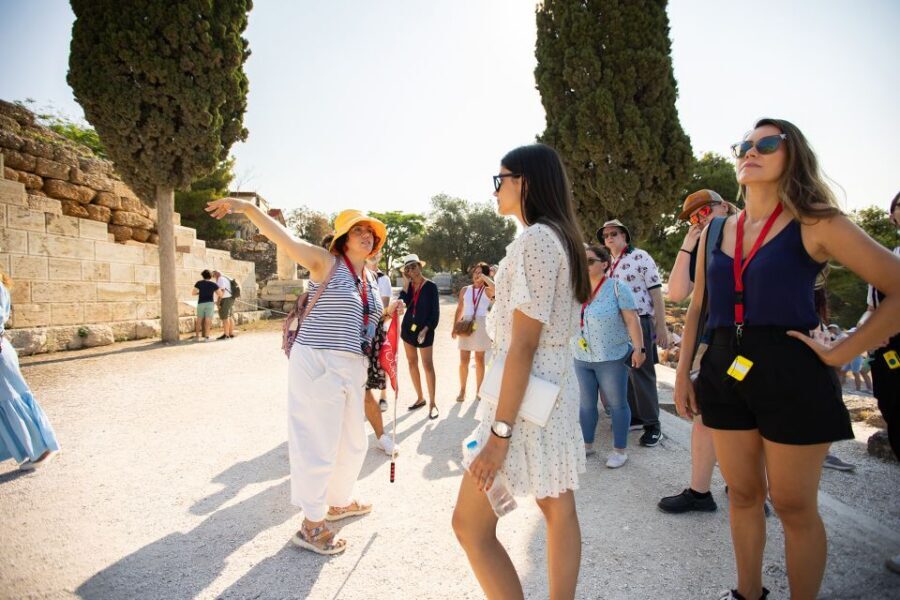
- Small groups (max 18) mean you can actually hear your licensed guide and ask questions.
- Real stops, real stories: Dionysus, Herodes Atticus, Propylaea, Temple of Athena Nike, Parthenon, and the Erechtheion.
- Photo pauses built into the route at major viewpoints like Propylaea.
- 30 minutes of free time on the Acropolis lets you linger where you want.
- Free Plaka audio tour comes after the walk, with a redemption code and app-based listening.
Why early access and a max-18 group changes everything
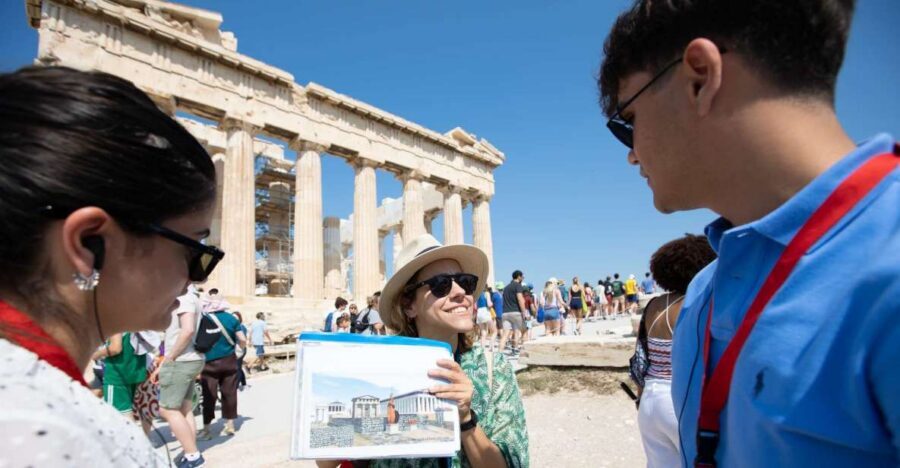
The Acropolis is one of those places where crowds can turn your visit into a slow shuffle. This tour tackles that problem by starting with early Acropolis access and using skip-the-ticket-line entry when the entrance option is selected. You’re not just paying to see stones—you’re buying time and focus.
The small size matters, too. With a maximum of 18 people, the guide can keep the group moving while still pointing out details. And since you wear audio devices, you’re not stuck competing with the noise of other tour groups. It’s a practical setup if you want the monuments without constantly craning your neck or guessing what you’re looking at.
One more value point: there’s no hotel pickup. That can feel slightly less convenient, but it also keeps the schedule simple and usually means fewer delays. You meet at the KeyTours Greece S.A office at Athanasiou Diakou 26, Athina 117 43, and the tour ends back at the same meeting point.
Other Acropolis and Parthenon tours we've reviewed in Athens
Stop by stop: Dionysus to Herodes Atticus and the big story of Athens
Your guided walk begins with a short transfer on foot between the first viewpoints. The first major history stop is the Theatre of Dionysus, described as the birthplace of dramatic and comic art. This is a great place to start because it shifts you from sightseeing into understanding how ancient Athenians used these spaces.
Next comes the Odeon of Herodes Atticus. Even if you don’t know the architecture terms, the guide’s job is to connect form to life—how the city staged performance and public life. This stop works well because it slows your pace. You’re learning while you’re still fresh, before the climb and the biggest crowds on the summit.
At this stage, you’ll likely get a sense of the Acropolis not as one monument, but as a working citadel with cultural and political weight. The itinerary is paced so you don’t get hit with the Parthenon first and then wish you knew what you were looking at.
If you’re the type who likes context, you’ll appreciate this. It makes later stops like Propylaea and the temples feel connected, not random.
Propylaea and Temple of Athena Nike: framing the Parthenon like a pro
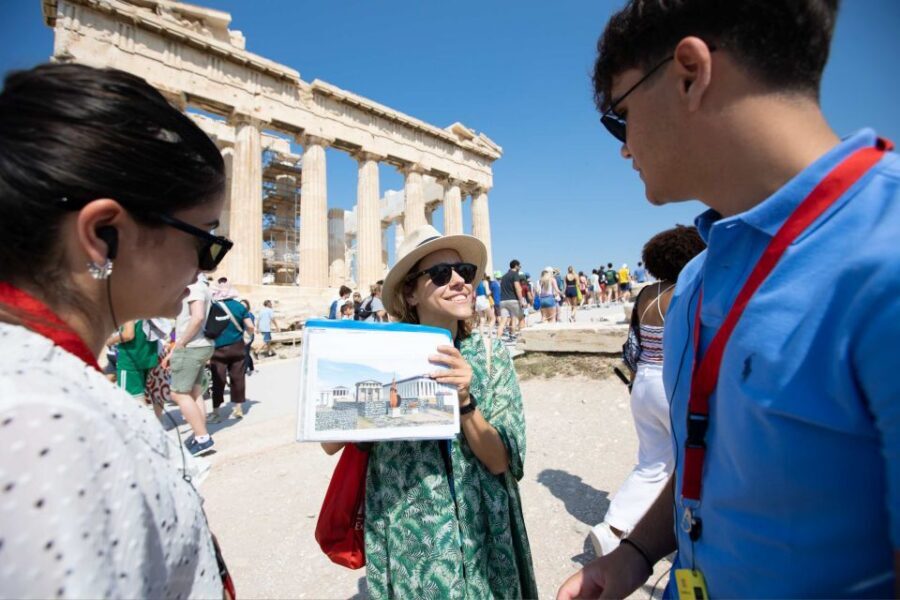
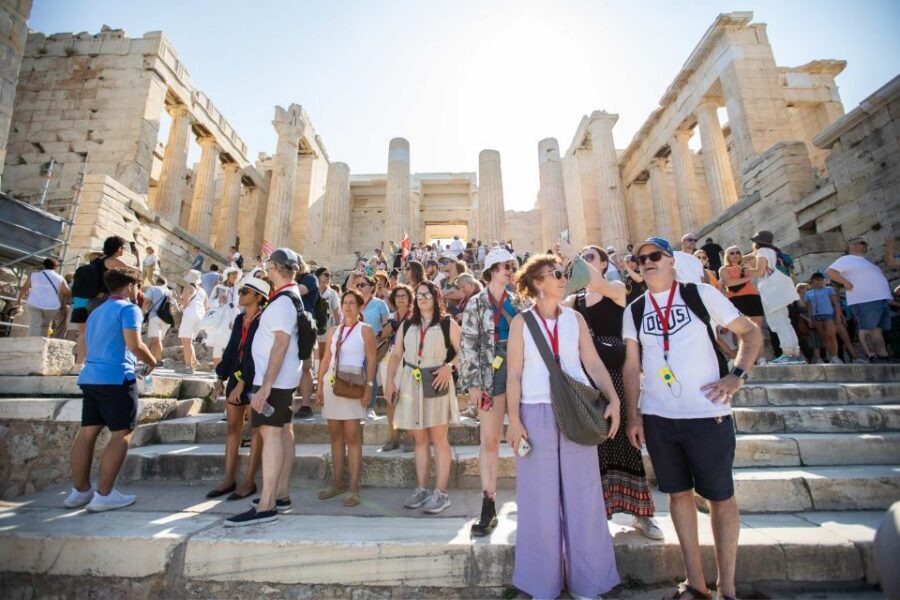
After Dionysus and Herodes Atticus, the route turns toward the gateway area and the procession-like approach to the main hill. The Propylaea is your first real “wow” corridor, and the tour includes a dedicated photo stop plus guided sightseeing. This is one of those spots where the guide can help you line up angles—what to look for, what faces where, and how the gateway functioned in the ancient layout.
Then you hit the Temple of Athena Nike. It’s a short walk and a quick guided segment, but it’s worth giving attention. This temple sits in the orbit of the Acropolis’s main worship focus, and the guide’s storytelling helps connect it to why Athena mattered to Athenians and how the city framed devotion in stone.
A practical tip: at these mid-steps, your legs are still in “warm-up” mode. Use that to your advantage. Take the guide’s suggested photo moments, but also take a breath. Once you’re deeper into Parthenon territory, the pace tends to tighten around guided timing.
Parthenon time: the architecture you can actually understand
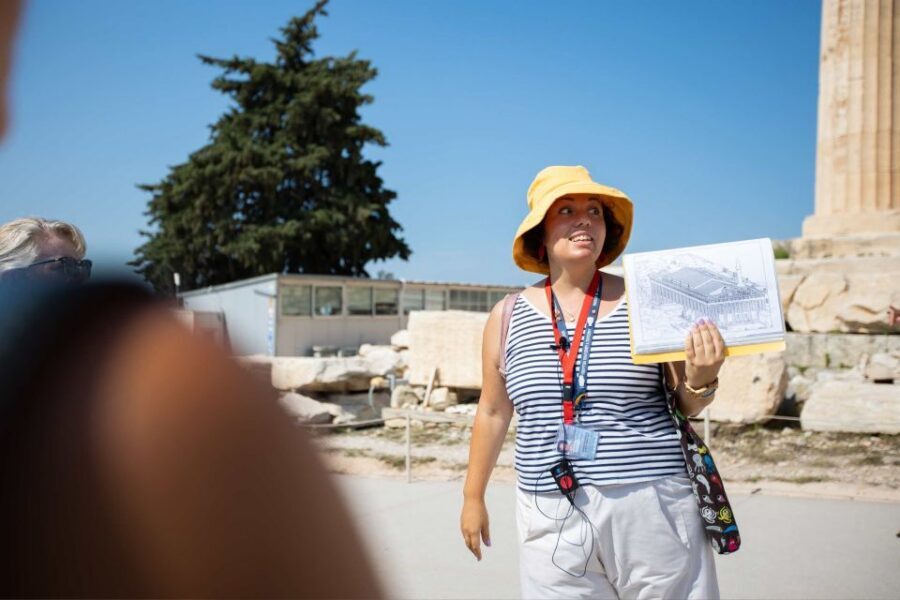
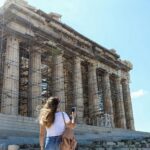
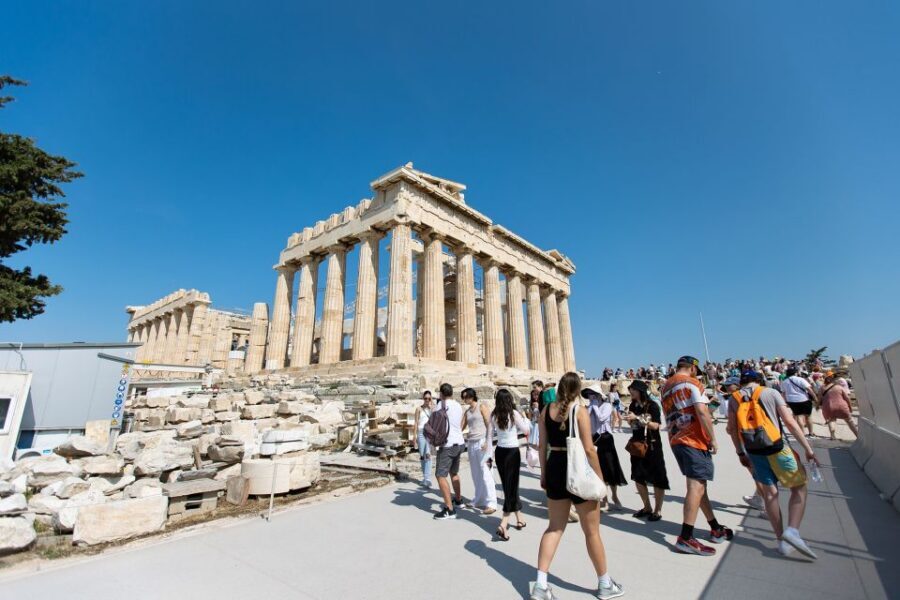
The Parthenon is the star, but it can also feel like you’re staring at the most famous building in the world without understanding why it’s so respected. The payoff here is that you get a full guided visit (around 30 minutes) focused on its history and importance to ancient Athenians.
This isn’t just a “look and guess” stop. The guide’s job is to help you read what you’re seeing—how the monument’s design and artistic perfection symbolized the city’s identity. You’ll also get the chance to pause and look around as the group moves through the key viewing areas.
Why the guided format matters: on your own, the Parthenon can become a checklist item. With the guide, it becomes a narrative about power, belief, and artistic ambition. And because the tour includes audio devices, you can concentrate on the monument without constantly turning your head to track the guide.
If you care about photos: plan on shooting from multiple angles. The itinerary builds in short walk segments, so you’ll naturally end up repositioning as you move through the guided flow.
Erechtheion and the Caryatids: where details make the Acropolis feel human
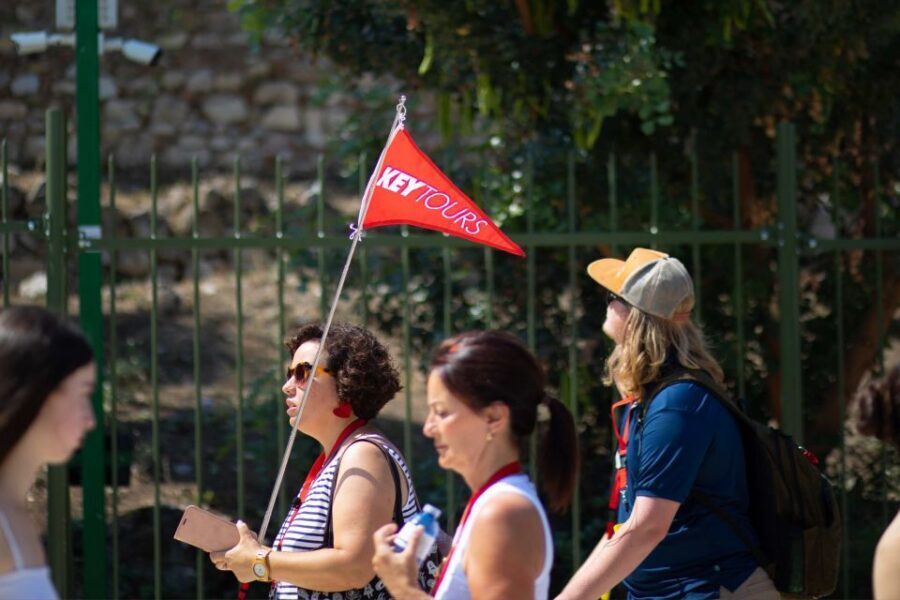
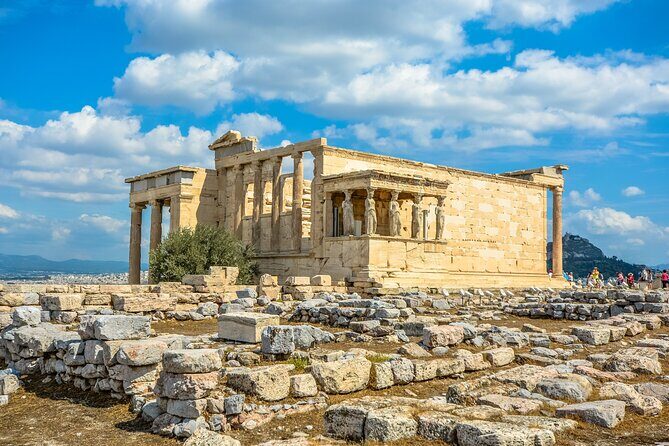
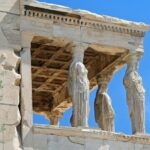
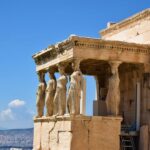
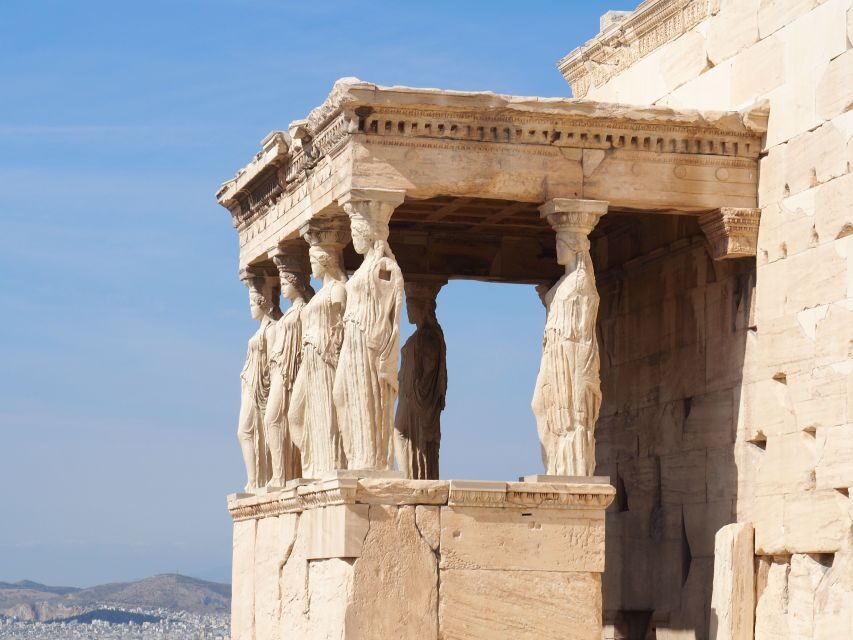
After the Parthenon, you’ll move to the Erechtheion, a shorter guided stop (around 10 minutes) but a memorable one. The Erechtheion is known for the Caryatids—sculpted female figures that act as architectural supports.
This stop is where the Acropolis shifts from monumental scale to human scale. It’s not “biggest ever” energy. It’s more like: pay attention to the craftsmanship and the personality in the details. The guide’s narration helps connect the structure to the myths and religious life tied to the site.
One challenge with Erechtheion is that it’s easy to rush because your brain is still stuck on the Parthenon’s scale. The fix is simple: give yourself the full guide time. Even if you think you already understand the Caryatids from photos, the real value is how they sit in space and how the guide explains their meaning in context.
Other Acropolis walking tours we've reviewed in Athens



30 minutes up on the summit: using free time without losing the plot
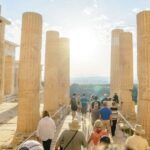
Once you reach the top, you get free time (about 30 minutes). This is where you can take the photos you want, revisit the viewpoints that caught your eye, and slow down for a final look at the panorama.
The tour also includes guidance about the excavations and gives insight into the citadel’s ruins. That matters because the Acropolis can feel like a jumble of fragments if you don’t understand what’s been uncovered and why. The guide helps you interpret what you’re seeing instead of treating it like a pile of old rocks.
What should you do with your free time? Here’s a practical way to think about it:
- First, stand where you can see the sweep of Athens and take in the full view.
- Next, pick one or two monuments you want to re-check up close.
- Finally, step back and watch how the light changes across stone surfaces.
If you’re visiting in hot weather, this free block is also where you’ll feel the sun the most. Bring the sun protection the tour recommends, like sunglasses and a sun hat.
Plaka audio tour afterward: a smarter way to keep exploring
The Acropolis is only half the story. After your guided walk, you can’t miss exploring Plaka—the historic neighborhood around the base of the hill.
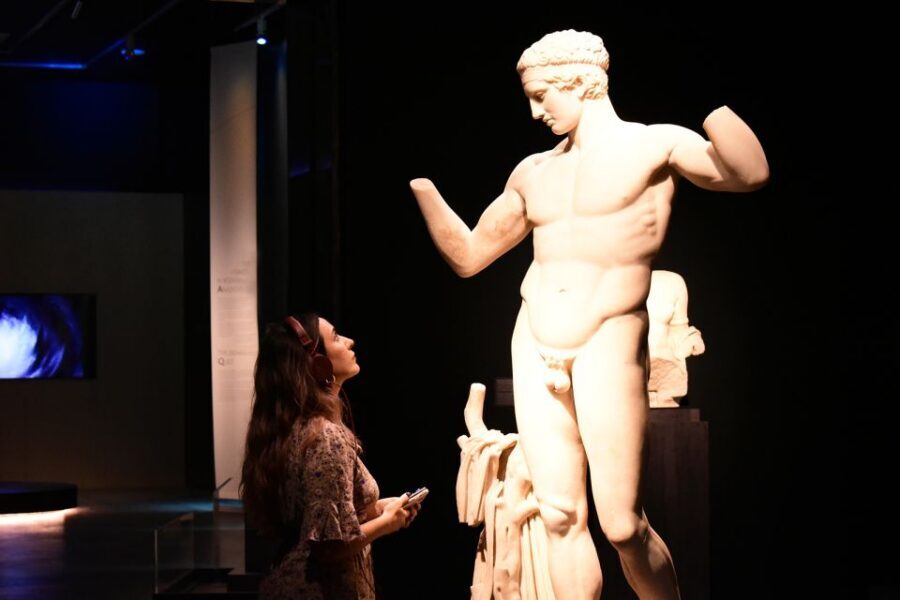
Here’s the nice part: you get a voucher with a redemption code for a free audio tour. You download the mobile app, put on your headphones, and the narration starts as you explore at your own pace. The audio is guided by a professional, licensed storyteller who focuses on history plus original handpicked neighborhood stories.
That format is a real advantage. It lets you slow down for side streets, stop when something grabs your attention, and skip what doesn’t. If you’re the type who likes wandering with guardrails, this is a good setup.
Also, Plaka can be packed with visitors. An audio experience helps you cut through the “look at the view” crowd routine. You’ll likely get more meaning out of the same streets because you’re hearing why certain corners matter.
Price and value: what $28.46 really covers
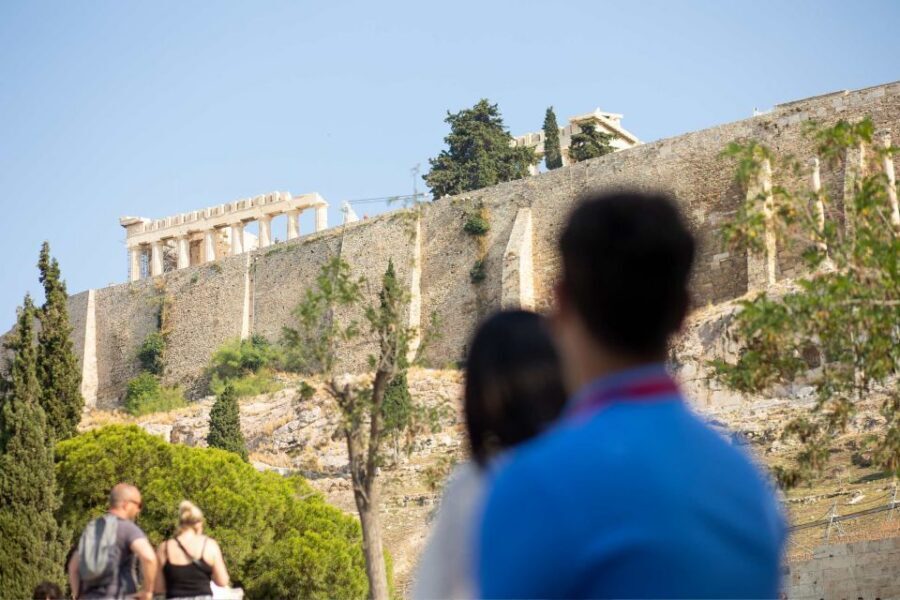
At $28.46 per person for a roughly 2-hour guided walk, this can be good value if you care about hearing the story behind the monuments. You’re not paying only for time on-site—you’re paying for:
- a professional and licensed guide
- audio devices for clear listening
- early access to the Acropolis
- guided coverage of multiple major stops
- a small-group cap of 18 people
There’s one key pricing detail to understand: the entrance ticket is included only if you choose the option that selects it. If you pick the option without the entrance ticket, you still need to purchase tickets separately for your tour’s departure time so your group can enter. So read the option you’re buying and make sure it matches how you plan to handle the ticket.
Either way, the added Plaka audio tour is a cost-effective extra. You’re extending the experience beyond the Acropolis without paying for another guided group session.
Who this tour suits best (and who might want another plan)
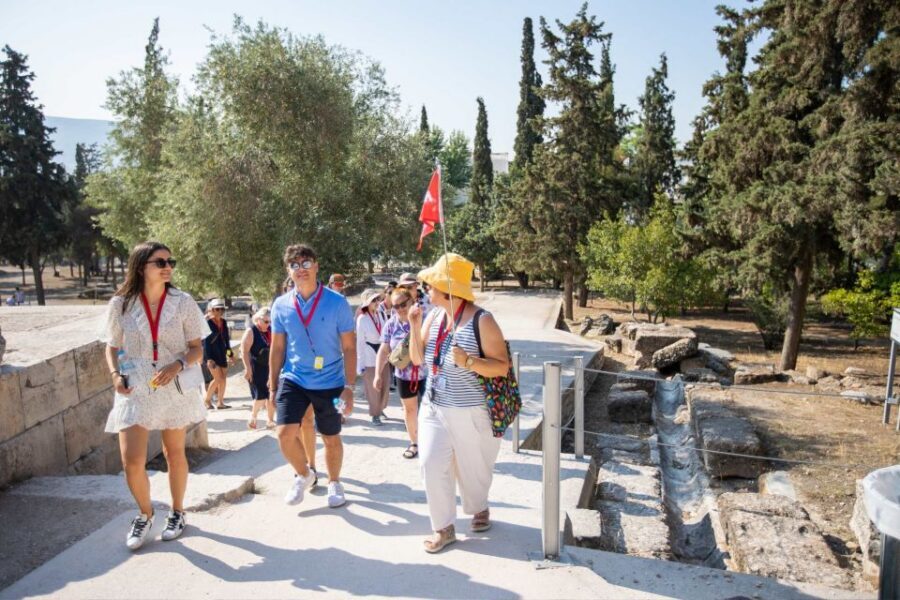
This experience is a solid fit if you:
- want a structured route through the Acropolis instead of guessing your way around
- like a mix of major monuments and myth/story context
- prefer small-group attention rather than large crowd chaos
- want an easy add-on after the main site via the Plaka audio tour
It’s less ideal if you:
- have mobility limits, since the tour is not suitable for wheelchair users and is described as moderate difficulty due to the ascendance (especially in summer)
- rely on elevators or fully step-free routes, since it’s a walking tour on foot
- travel with bulky luggage, because luggage or large bags aren’t allowed
- are bringing a pet or need strollers, since those aren’t allowed
Also, there’s no hotel pickup. If you’re staying far away, factor in the time it takes to get to the meeting point at KeyTours Greece S.A.
Practical tips that make your day smoother
A few small things will help you enjoy the tour more.
Bring what the tour asks for:
- passport or ID card
- comfortable shoes
- sunglasses
- a sun hat
Wear the right kind of shoes. You’re on ancient stone and moving uphill, so comfort and grip matter. Think “walking shoes,” not sandals.
Plan your photos smartly. The itinerary includes set photo moments (like at Propylaea) and guided pauses at major stops. Still, you’ll want to use the 30-minute Acropolis free time to capture your favorite view without rushing.
Language-wise, live guiding is available in English and Spanish. If you’re choosing between languages, pick the one you’ll feel most confident listening to for the myths and history.
Should you book it?
If you’re visiting Athens for the first time and you want the Acropolis to feel meaningful (not just famous), I think this is worth booking. The combination of early access, a small group, and a story-focused guide makes it a strong way to see the major monuments in about two hours, then keep going in Plaka with the audio tour.
Skip this only if the climb is a deal-breaker for you, or if you’d rather roam independently without joining a structured route. For everyone else, it’s a practical, time-efficient plan that gives you both the big monuments and the neighborhood flavor right after.
FAQ
How long is the Acropolis guided walking tour?
The tour duration is listed as 2 hours.
What’s included besides the guided tour?
Included are a professional and licensed guide, walking tour, audio devices for commentary, early Acropolis access, and a self-guided audio tour of Plaka. Entrance ticket inclusion depends on the option you select.
Do I need to buy an Acropolis entrance ticket?
If you select the option with an entrance ticket, it is included. If you select the option without the entrance ticket, you will need to purchase tickets for your tour’s departure time to enter with your group.
Where do I meet the tour?
You meet at KeyTours Greece S.A, Athanasiou Diakou 26, Athina 117 43, Greece.
Does the tour skip the ticket line?
Yes, it includes skip-the-ticket-line entry.
What languages are available for the live guide?
The live tour guide is available in English and Spanish.
Is this tour suitable for wheelchair users or limited mobility?
No. It is not suitable for people with mobility impairments and it is not suitable for wheelchair users. The ascent to the Acropolis is described as moderate difficulty, especially in summer.