REVIEW · ATHENS
Athens: Highlights and Acropolis Guided Tour
Book on GetYourGuide →Operated by ATHENS WALKING TOURS · Bookable on GetYourGuide
The Acropolis starts at street level. This 3.5-hour walk threads from Syntagma Square past the guards and Plaka up to the Acropolis, with a guide turning ancient spots into a real story.
I especially like the mix of big set pieces and quick context—Parliament and the Monument to the Unknown Soldier at the start, then the views and monuments around Philopappos Hill. I also like that you visit the National Garden and Zappeion Hall before the uphill part, so the climb feels earned rather than random.
The main consideration is that tickets and security can still slow you down: entrance fees are not included, and even with skip-the-ticket-line, you may face short waits for airport-style checks.
In This Review
- Key takeaways before you go
- Syntagma Square: Guards, Parliament, and getting oriented on foot
- Parliament to the National Garden: a smoother lead-in than you expect
- The climb route through Plaka: cafés below while the Acropolis gets closer
- Up toward the Acropolis: what you’ll see beyond the Parthenon
- The Parthenon area: what the guide’s explanations change
- Skip-the-ticket-line and security: fast access with real-world limits
- Timing that affects your day: when you actually hit the Acropolis
- Small-group format: why it feels better than hopping on and off
- Who this tour suits best (and who should look elsewhere)
- Value check: is $53 worth it, given extra tickets?
- After the tour: what you can do with the Acropolis you just learned
- Should you book this Athens highlights and Acropolis tour?
- FAQ
- Are entrance fees included in the $53 price?
- What’s the meeting point for the tour?
- How long is the tour?
- When do you access the Acropolis during the tour?
- Do I need to buy Acropolis tickets in advance?
- Is this tour suitable for people with mobility impairments or wheelchair users?
Key takeaways before you go
- Start at Syntagma metro so you can anchor your day fast and avoid a confusing pickup
- Changing of the guards plus Parliament at the top of the route makes the tour feel like Athens today, not just “ancient”
- National Garden and Zappeion give you great context before you hit the Acropolis ramp and steps
- Plaka streets on foot include photo-worthy stops like the portrait of Melina Merkouri while you build energy for the ascent
- Skip-the-ticket-line isn’t instant: plan for security time even at peak season
- Guides set the tone with strong storytelling and pacing, whether it’s Irena, Kostas, or Fotini’s style
Syntagma Square: Guards, Parliament, and getting oriented on foot
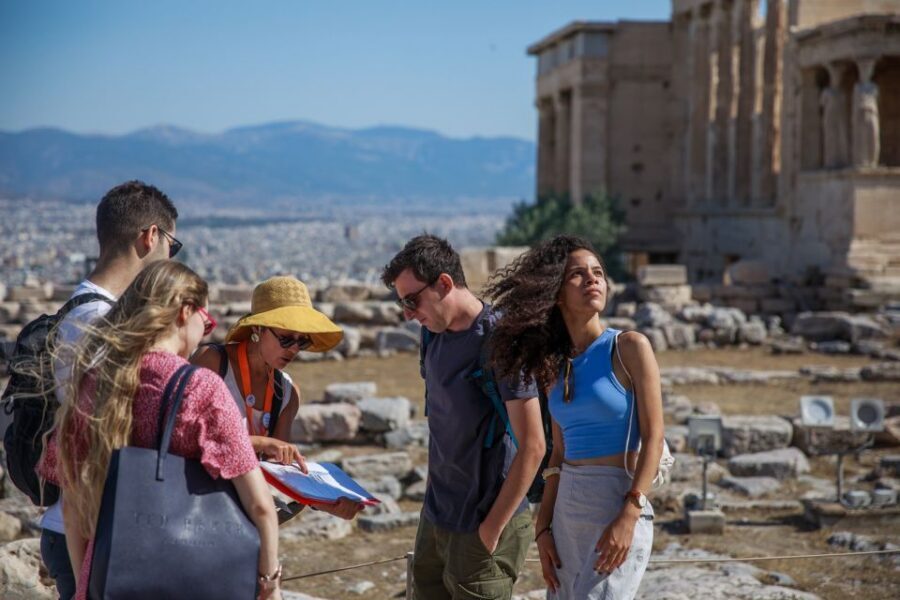
Your morning begins at the Syntagma metro station, inside the station area, next to the ticket validating machines. The meeting point sits beneath a hanging clock, and the guide holds an orange Athens Walking Tours sign. Arrive about 15 minutes early so you don’t end up sprinting to the group, especially since Acropolis entry times are strict later.
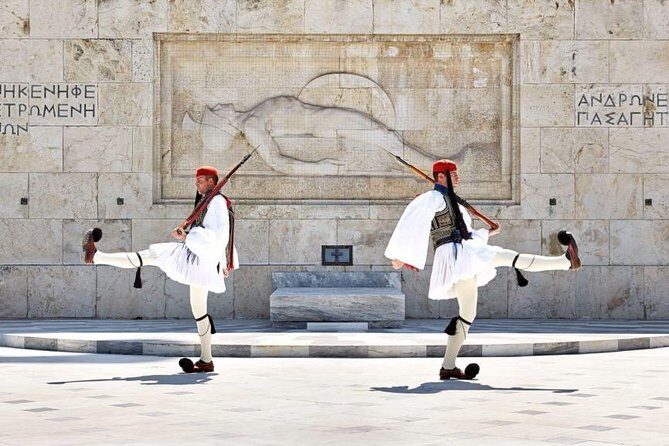
Syntagma Square is a smart place to start because it’s both modern and historic. You’ll see the Parliament area and the Monument to the Unknown Soldier right away, and the changing of the guards adds a bit of theater to your first hour. It’s not just a photo stop either; the guide uses this area to explain how symbols and power have been shown in Athens across eras.
What I like about this opening: it gives you a mental map before you start walking “into the past.” You’ll also feel the difference between how Athens looks at street level versus how it looks from the top of the Acropolis.
One more practical note: this is a walking tour, and it starts with city sidewalks and climbs later. If you’re sensitive to uneven pavement or long standing, comfortable shoes matter more than you’d think.
Other Acropolis and Parthenon tours we've reviewed in Athens
Parliament to the National Garden: a smoother lead-in than you expect
After Syntagma, the route heads toward the National Garden of Athens. This is one of those Athens transitions that makes the tour work well: you go from the formality of Parliament to a greener, calmer stretch that helps your legs and your brain reset.
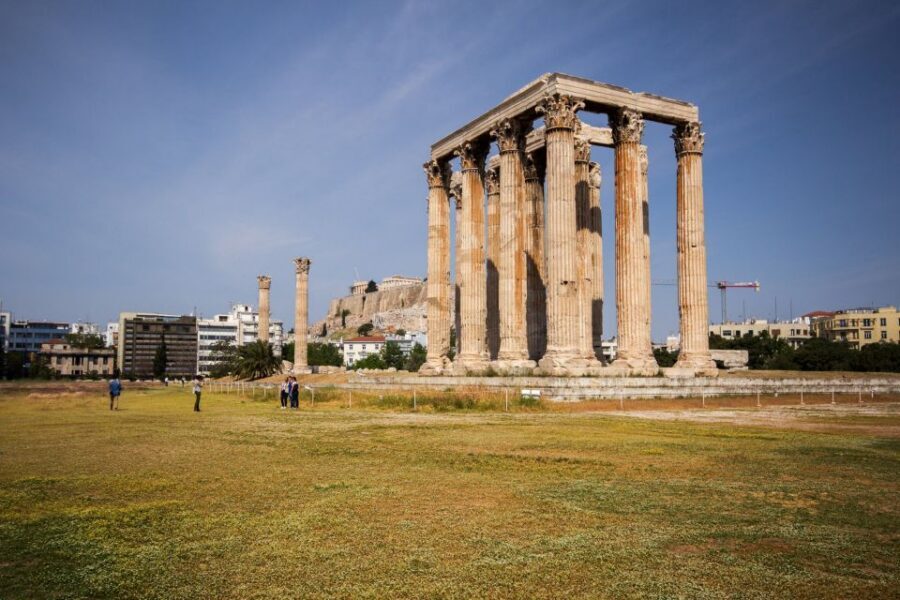
Next comes Zappeion Hall, where you’ll see the neo-classical building and the towering columns in front of it. These columns once belonged to the Temple of Zeus and Hadrian’s Arch area, which helps you connect what you’re seeing now with what’s been reconstructed, relocated, or remembered over time.
A neat detail the guide typically highlights here is how long the Temple of Zeus took. It was dedicated to the kings of the gods and wasn’t completed for nearly 600 years. That kind of timeline is easy to miss when you only see monuments at a distance. On foot, you get the cause-and-effect feeling: ideas get proposed, projects drag, and generations keep building.
This part also helps you understand the “why” behind the Acropolis. You’re not jumping straight from square to summit. You’re learning how Athens marked importance, status, and belief across different spaces.
The climb route through Plaka: cafés below while the Acropolis gets closer

Then comes Plaka, the neighborhood people call hip and cool for a reason. The walking route runs through pedestrianized streets where you’ll pass cafés and local street life. You also get a specific cultural stop: the portrait of Melina Merkouri, a famous Greek film actress and politician.
Plaka is also a useful way to pace the day. You’re moving through lively streets without the noise of a major transit hub, so you can listen while still feeling like you’re actually in Athens. The ascent begins gradually, and you’ll start looking down at the city as elevation changes. That shift—walking and then seeing the view widen—builds anticipation for the Acropolis.
A practical tip: if you’re the kind of person who hates rushing, Plaka is where you’ll feel the tour’s rhythm. The guide generally keeps stops tight but doesn’t turn every corner into a sprint. It’s a good place to hydrate too.
Up toward the Acropolis: what you’ll see beyond the Parthenon

The main climb begins toward the Acropolis after you’ve worked through Plaka and gained a bit of height. At this stage, the tour becomes more about structure: the guide ties the monuments together so the hill doesn’t become a random collection of ruins.
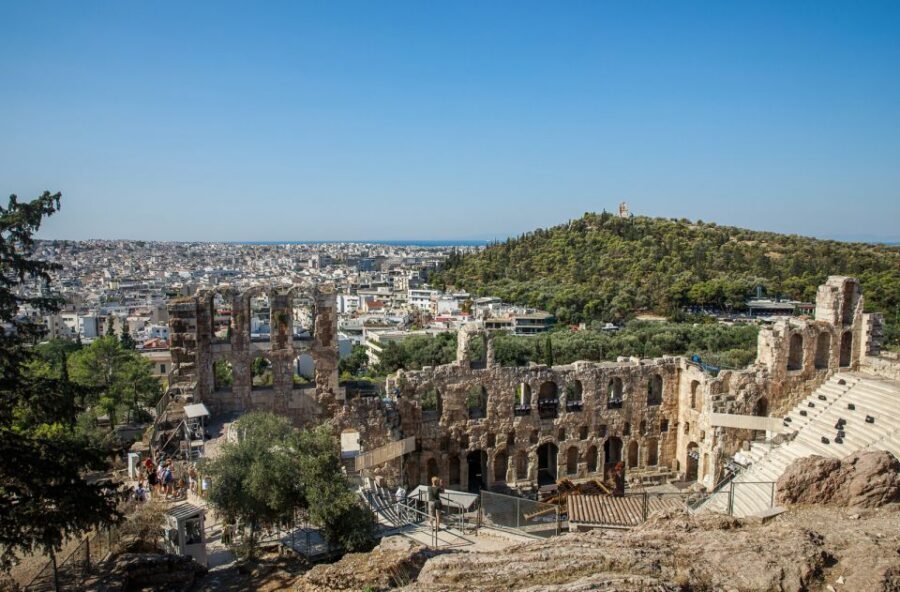
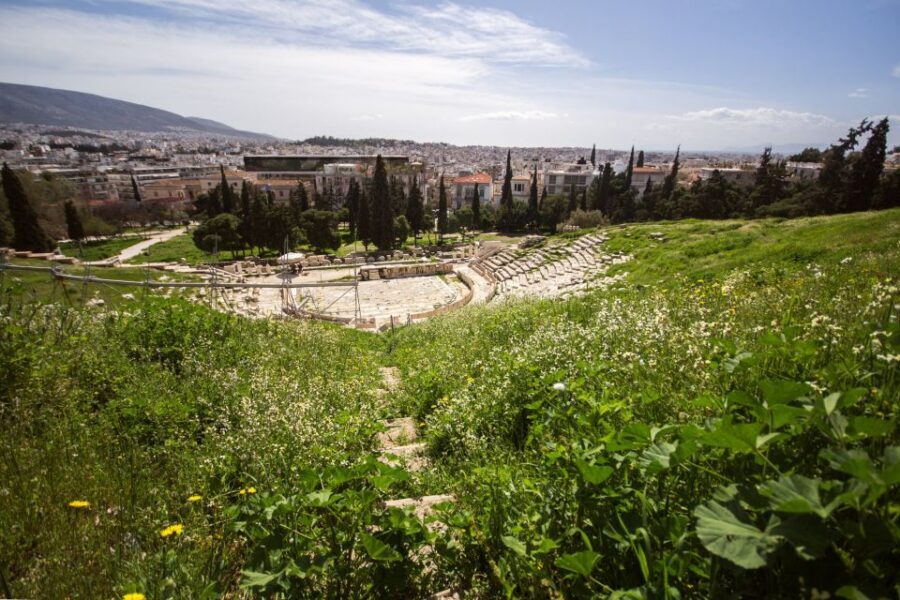
You’ll be directed toward major names at the base and along the path up. The tour focuses on the Parthenon, the Erechteion, the Propylaia (the monumental entrance structure), and the Temple of Athena Nike. You’ll also hear about the Dionysus Sanctuary and see how Philopappos Hill fits into the broader setting.
Here’s why that matters: if you go to the Acropolis on your own, you might only latch onto the headline monument. With the guide, you learn how each site relates to the whole religious and civic zone. You start recognizing patterns—where ceremony likely happened, how entrances shaped movement, and why certain structures ended up where they did.
You’ll also get views. From the Acropolis area, you can look back over the city you just walked through. It’s a satisfying moment because the tour has taught you what you’re seeing below, not just what you’re standing on.
The Parthenon area: what the guide’s explanations change
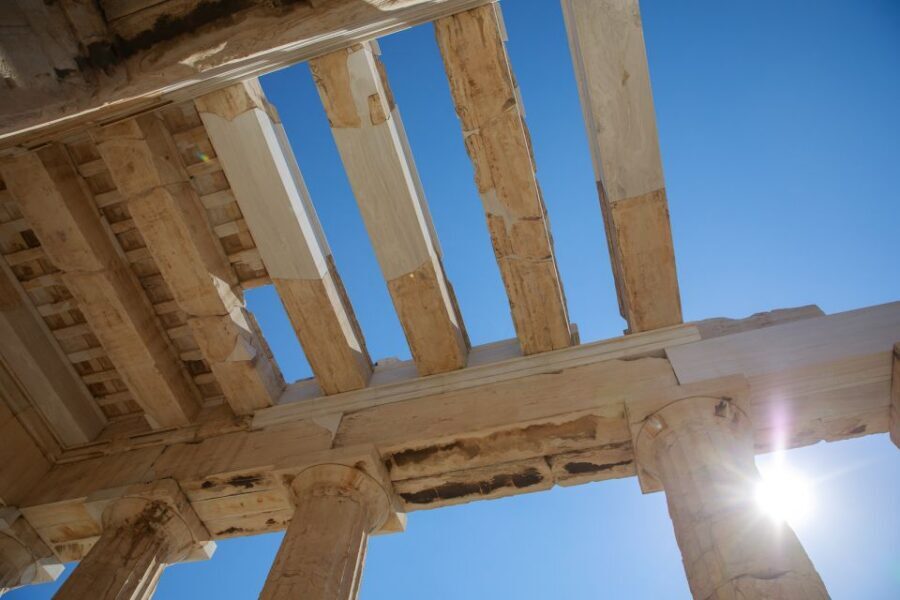
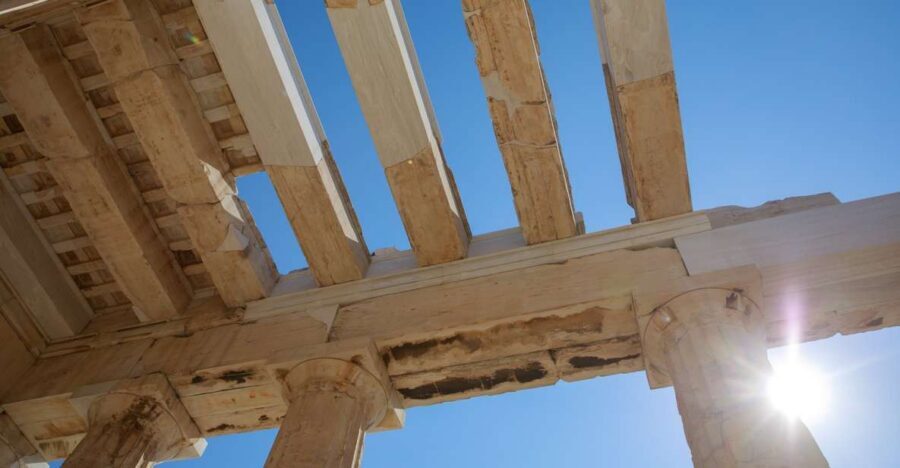
Once you reach the Acropolis zone, the tour’s value jumps if you like context. The Parthenon gets you by itself, but the guide helps you notice the details that usually slide past. You’ll hear about why key areas were placed where they are and what the monuments signal.
This is also where timing becomes real. You’re joining an entry schedule, and the guide cannot wait for late arrivals. That’s true even though you may have purchased skip-the-ticket-line access—entry is still tied to your booked slot and security procedures.
Also, expect the Acropolis climb to be tiring. Even if you’re in decent shape, you’ll be walking, standing, and climbing steps. One reason the small-group feel matters here is that it helps the pace stay manageable. A slow group is still a moving group.
Other Athens city highlights tours we've reviewed in Athens





Skip-the-ticket-line and security: fast access with real-world limits
Skip-the-ticket-line is helpful, but it’s not magic. You might still wait for security checks, because visitor numbers can change throughout the day. Typical waiting time falls within 0 to 10 or 30 minutes, and on rare occasions it can be longer.
In other words: plan for “maybe quick, maybe not.” If you’re the type who times your whole day down to the minute, build in buffer time around the Acropolis entry.
Entrance fees are not included in the tour price. If you book a version with the ticket option, the tour can include skip-the-line service tied to the ticket setup. If you book without the ticket, you’re responsible for purchasing admission from the official site and matching the entry time to the tour schedule. In that situation, you must have valid entry tickets before the tour begins, and you need to choose the correct date, time slot, and ticket category.
One point that surprised me in the practical side of this: people sometimes expect “skip-the-line” to mean “no additional cost.” The tour itself covers the guide and the small-group format, but the Acropolis and other entrance fees are extra.
Timing that affects your day: when you actually hit the Acropolis
This tour runs about 3.5 hours. The key detail is that Acropolis access happens around two hours after the tour starts, roughly at 11:40am. That means your morning is structured so you can see Syntagma, the Parliament area, and Plaka before you climb.
The best way to think about this: you’re booking a morning “route builder.” You’ll spend enough time at each stop to get context, but the Acropolis is still the centerpiece, so the schedule focuses on getting you there at the correct entry window.
If you’re planning lunch or museum visits afterward, avoid stacking things right at the end. You may need a bit of recovery time from the walking and sun.
Small-group format: why it feels better than hopping on and off
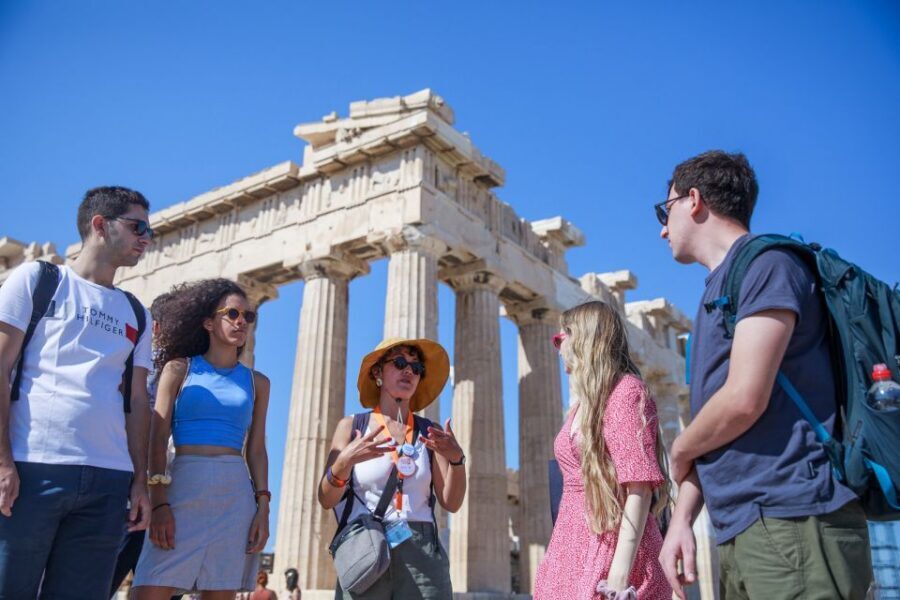
The tour is listed as a small-group experience, and that shows in the way you move. You’re not stuck listening at the edge of a large crowd. It’s easier to hear the guide’s explanations while walking from one stop to the next.
That matters because the route covers several different “Athens moods”: formal government symbolism at Syntagma, the garden and neoclassical framing at Zappeion, the neighborhood vibe of Plaka, then the big monumental setting at the Acropolis.
Guides on this route tend to be strong storytellers—people like Kostas, Irena, and Fotini are often mentioned for keeping the walk engaging with humor and clear pacing. The style helps you stay focused, especially during the tougher part of the ascent when your legs are already working.
Who this tour suits best (and who should look elsewhere)
This is a great fit if you want a guided route that hits Athens highlights without needing to study maps first. It’s also a strong option for first-timers who want to understand how the city’s modern center connects to its ancient core.
It’s not a great fit if you’re unable to do stairs and uneven walking. The tour is not suitable for wheelchair users or people with mobility impairments. It also doesn’t allow baby strollers, and luggage or large bags aren’t allowed.
If you’re traveling with kids, it can work well too, as long as the group can handle walking pace and steps. Just remember: this is still about ancient sites and climbing, not a sit-and-watch tour.
Value check: is $53 worth it, given extra tickets?
At $53 per person, the price is mainly paying for the guide, the small-group format, and the route logic that leads you to the Acropolis at the correct time. It’s not a bundled “no-thought” deal, because entrance fees are separate.
In practical terms, you should budget additional entrance costs. One common add-on cited with this route is about €26 per person for the Temple of Zeus and the Acropolis. If that’s the amount you end up paying, you’re still likely getting value because you’re not just getting access—you’re getting a guided explanation of multiple major sites in one coordinated walk.
So here’s how to judge value for yourself:
- If you’d otherwise struggle to plan the route and entry timing, the guide saves you time and confusion.
- If you love structured explanations and want to connect monuments to each other, you’ll feel the value quickly.
- If you prefer total freedom and don’t want extra costs, you might consider a self-guided plan. But then you’ll need to manage tickets, timing, and how you’ll make sense of the monuments on your own.
After the tour: what you can do with the Acropolis you just learned
At the end, the tour returns back to the meeting point near the Syntagma metro station. From there, you’ll have a big advantage: you now know what you saw and why it’s connected.
If you still have energy, I’d use the knowledge you gained to choose your next stop based on what you found most interesting. The most common win from this tour is not just seeing famous monuments—it’s learning what kind of Athens you’re looking at when you walk into a square or climb a hill.
If you want a follow-up, you can look for areas related to what the guide emphasized, like the spaces around the Dionysus Sanctuary or viewpoints connected to Philopappos Hill.
Should you book this Athens highlights and Acropolis tour?
Book it if you want an efficient Athens morning with a guided route that links Syntagma, Plaka, and the Acropolis in a way that actually makes sense. The best sign of fit is that you care about context, not just photos, and you’re okay with a real walking day.
Skip or reconsider if you dislike ticket planning or you don’t want to pay separate entrance fees. Also reconsider if stairs and long walking stretches will be a problem for you.
If you do book: bring comfortable shoes, carry your ID/passport, and plan to arrive early at Syntagma. Then treat the morning like a guided storyline—because that’s how this tour earns its money.
FAQ
Are entrance fees included in the $53 price?
No. Entrance fees are not included. You can add tickets separately (depending on the ticket option you book).
What’s the meeting point for the tour?
Meet inside the Syntagma metro station, next to the ticket validating machines, beneath the hanging clock. The guide will be holding an orange Athens Walking Tours sign.
How long is the tour?
The tour runs about 3.5 hours.
When do you access the Acropolis during the tour?
Acropolis access happens approximately two hours after the tour starts, around 11:40am.
Do I need to buy Acropolis tickets in advance?
Yes. If you choose the without ticket option, you must purchase admission tickets yourself from the official site and make sure the entry time matches the tour schedule. Not having a valid entrance ticket at the beginning disqualifies you from joining.
Is this tour suitable for people with mobility impairments or wheelchair users?
No. The tour is not suitable for wheelchair users or people with mobility impairments. Baby strollers are also not allowed, and luggage or large bags are not allowed.