REVIEW · ATHENS
Athens: The Acropolis and Greek Food Private Guided Tour
Book on GetYourGuide →Operated by ATHENS WALKING TOURS · Bookable on GetYourGuide
Acropolis and snacks sounds like a win. This private tour strings together major ancient sights and real food culture in just 5 hours of walking, so you get both the big-hitter monuments and what locals actually buy and eat nearby. I like the way you move from Dionysus Theater up to the Acropolis with a guide who links sites together, not just recites facts. You might even meet guides such as Niobe or Katerina, known for being kind and on time.
What really makes it work is the pairing. I love that you get free sampling of Greek delicacies and beverages while walking through the Plaka, Monastiraki, and the Athenian Market area, not just a single restaurant meal. I also love how the Acropolis part is explained site-by-site, including the Temple of Athena Nike, the Propylaea gateway, the Erechtheion, and the Parthenon—plus the construction and history behind them.
One consideration: this is a walking-heavy day. It is not suitable for people with mobility impairments or wheelchair users, and the Acropolis has strict entry times with airport-style security, so you can’t be late.
In This Review
- Key Things That Make This Tour Worth Your Time
- From Dionysus Theater to the Acropolis Hill: A Smarter Start
- Entering the Acropolis: How the Guide Turns Stones Into Meaning
- The Parthenon and the Nearby Views You’ll Remember
- Leaving the Acropolis: Plaka Streets, Monastiraki Energy, Market Atmosphere
- Free Tastings That Teach You How Greece Eats
- What You’re Really Paying For at $360 per Person
- Meeting Point, Timing, and What You Should Do Before You Go
- Who This Private Tour Is Best For (and Who Should Skip)
- Should You Book This Acropolis and Greek Food Private Tour?
- FAQ
- How long is the tour?
- Where is the meeting point?
- What does the tour include?
- Do I skip the ticket line?
- Which sites are covered?
- What language is the tour guide?
- Do I need to buy tickets in advance?
- What should I bring and avoid bringing?
Key Things That Make This Tour Worth Your Time
- Dionysus Theater first: you start with the oldest theater in Greece, then climb with context.
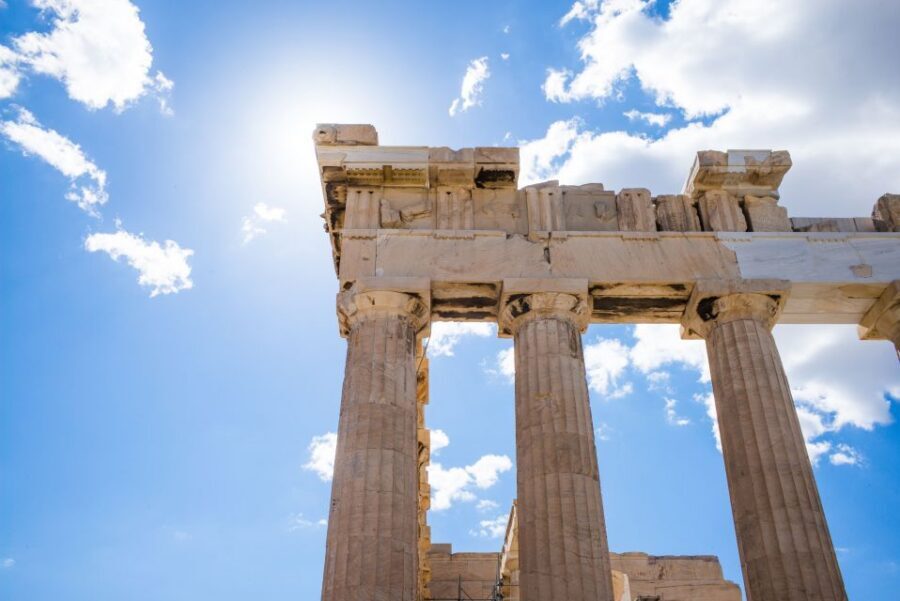
- A site-by-site Acropolis story: Temple of Athena Nike, Propylaea, Erechtheion, and the Parthenon are explained in sequence.
- Views you can name: Herodes Atticus odeon, Philopappos Monument, Mars Hill, Ancient Agora, and the Temple of Hephaestus appear as part of the explanation.
- Plaka to Monastiraki, then into the Athenian Market area: you see the city’s food world without feeling like you’re trapped in a group circuit.
- Free samples at specialty shops: olives, honey, cheese, sweets, and drinks show up along the way.
- Private guide, licensed: you get explanations tailored to what you’re seeing, in English.
From Dionysus Theater to the Acropolis Hill: A Smarter Start
Your day begins near 3 Dionyssiou Areopagitou Street, by the pedestrian walkway that leads toward the Acropolis from Hadrian’s Arch (Syngrou Avenue). Before the tour starts, there’s a cash step for your admission ticket at the check-in location just before departure, and they’ve secured tickets for your time slot—so don’t wing it on the day.
The first stop is Dionysus Theater, described as the oldest theater in Greece. That matters more than it sounds. You’re not just walking up to the Acropolis and hoping the Parthenon explains everything. Starting with Dionysus helps you connect Greek drama and civic life to the places you’ll see next, so the Acropolis feels like a system, not a single postcard.
From there, you head uphill toward the Acropolis with planned stops and frequent opportunities to look out over Athens. Expect the walk to be active: comfortable shoes are not optional. You’ll also want a sun hat because you spend real time out in the open, especially once you get higher on the hill.
Other Acropolis and Parthenon tours we've reviewed in Athens
Entering the Acropolis: How the Guide Turns Stones Into Meaning
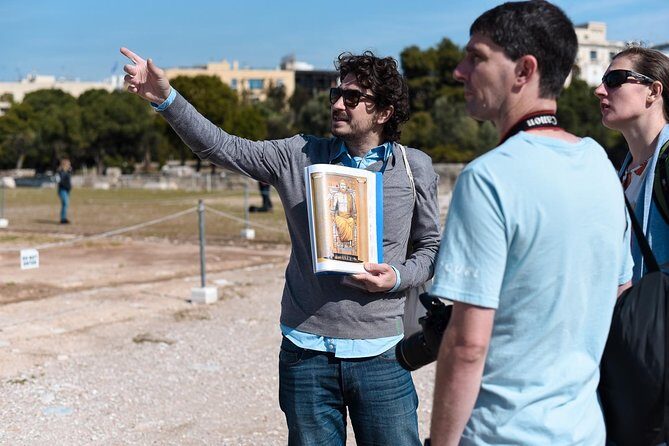
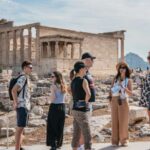
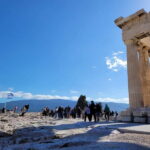
When you reach the Acropolis, the value is in the pacing and the explanations. Instead of treating the site like a checklist, your guide walks through the monuments and connects them through architecture, purpose, and history. You’ll hear about construction choices and what they signaled to the ancient city.
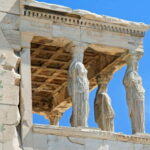
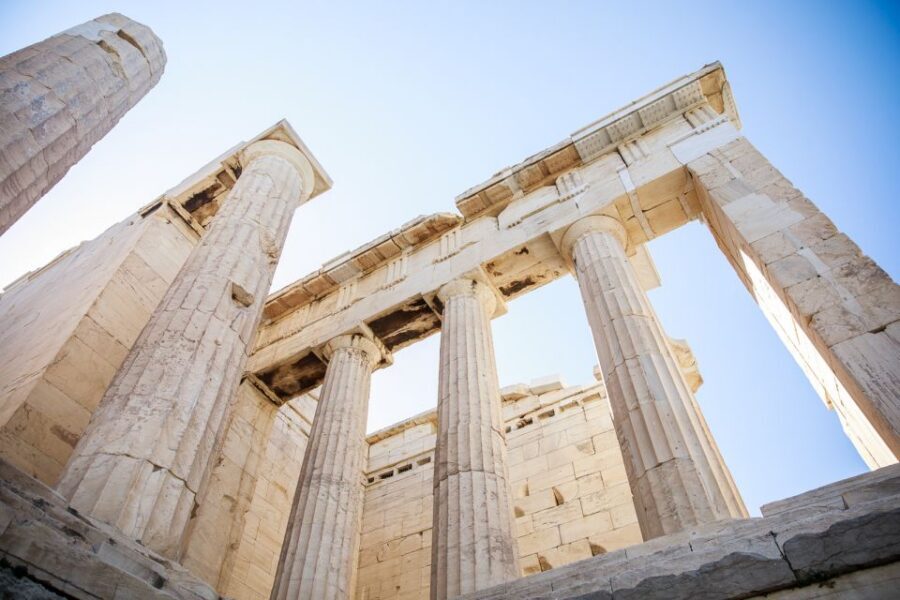
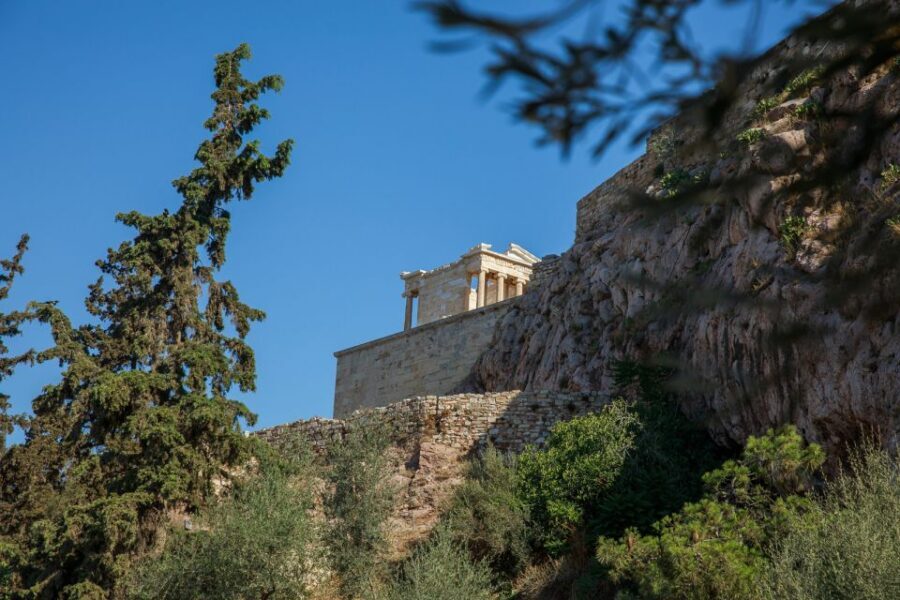
You’ll encounter the Temple of Athena Nike, the Propylaea gateway, and the Erechtheion before you get to the Parthenon. Seeing them in this order helps you understand transitions: gateways as thresholds, temples as civic statements, and the Parthenon as the centerpiece people still measure everything against.
The Temple of Athena Nike is one you might otherwise rush past. With guidance, you’re more likely to notice the details and the role it played in Athenian identity. The Propylaea gateway also changes how you experience the site: you start thinking of the Acropolis as a designed approach, not just a hill full of ruins.
The Parthenon and the Nearby Views You’ll Remember
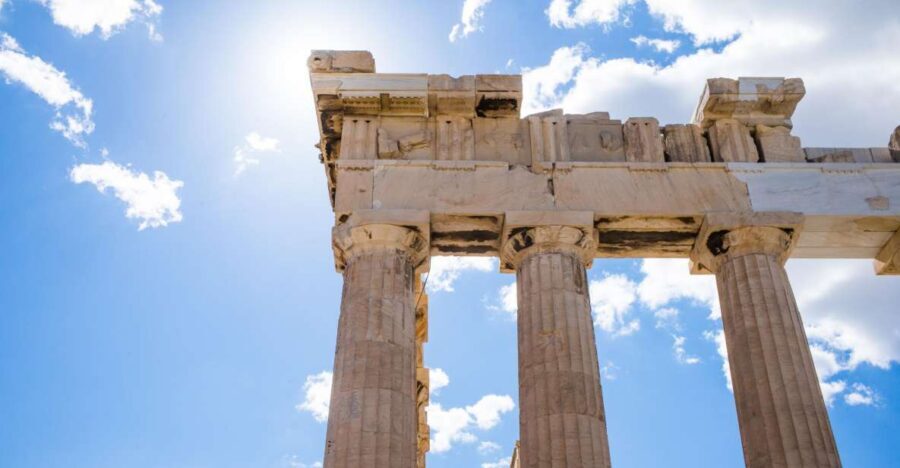
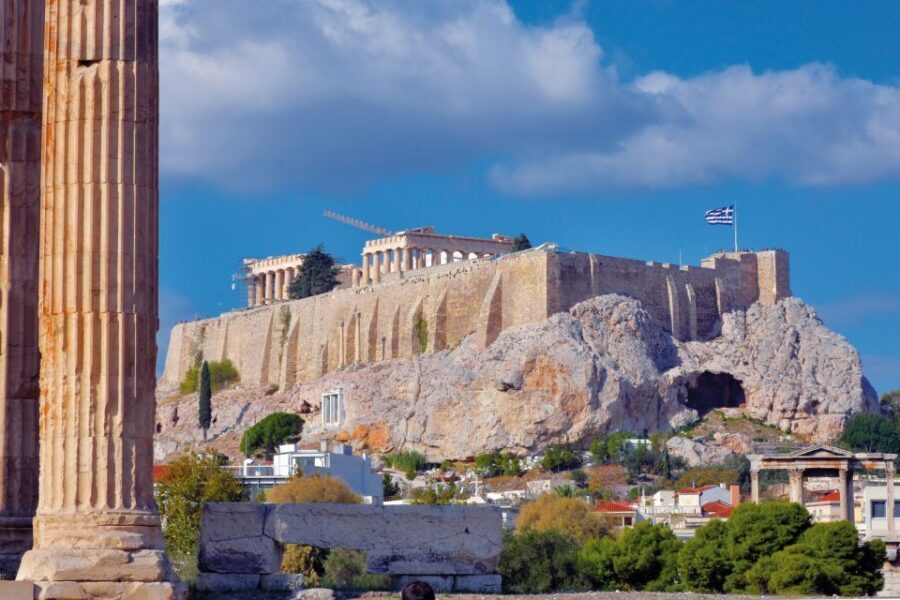
Yes, the Parthenon is the headline. But the real payoff is that you’re given enough context to look longer. Your guide explains the Parthenon’s history and its significance, and you’ll get reminders of what you’re seeing as you move.
One reason this tour feels more rewarding than a standard Acropolis visit is how it handles viewpoints. From the hill, you’re not only seeing the big monuments in front of you. You also get an orientation across the city, including Mars Hill and the Ancient Agora, plus the Temple of Hephaestus in the distance.
You also look out toward other notable landmarks tied to the broader Athens story, including Herodes Atticus odeon and Philopappos Monument, as well as an observatory reference. Even if you’ve seen photos before, being able to name what you’re looking at changes your photos—and your memory.
Leaving the Acropolis: Plaka Streets, Monastiraki Energy, Market Atmosphere
Once the Acropolis visit is done, you head down into Athens in a way that keeps the day from feeling like two separate tours stapled together. You cross through the Plaka, then move toward Monastiraki, where the streets start buzzing with everyday life.
This is where the tour earns its keep. You’re not chasing a single designated restaurant. You walk through familiar tourist areas like Monastiraki, then shift into a less-known part of Athens for the Athenian Market area, which is where food culture becomes the main character.
As you go, you pass producer stalls with color, spice shops with intense aromas, and sweet shops and bakeries. The central food market area is part of the route, so you get the texture of Athens shopping and snacking without waiting around for one long sit-down meal.
Free Tastings That Teach You How Greece Eats
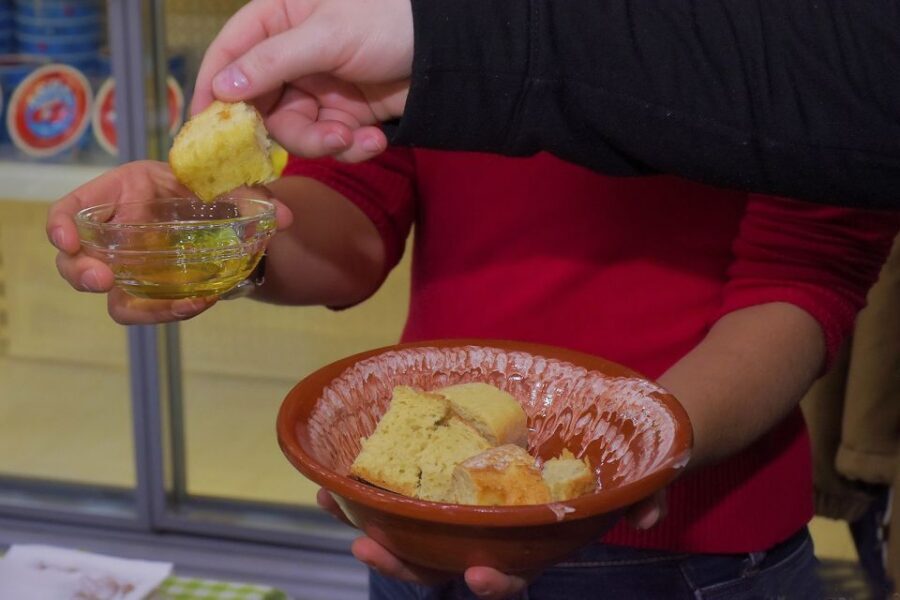
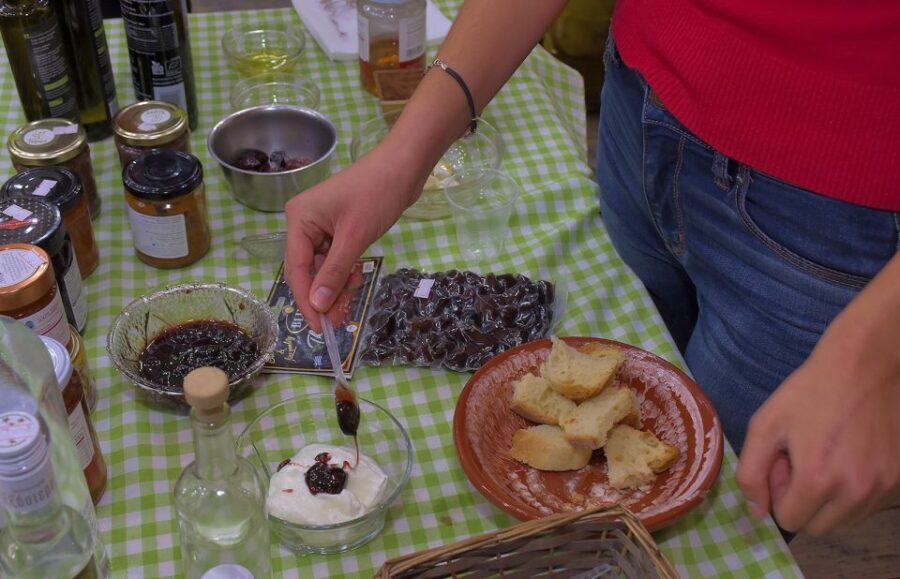
The tastings are built into the walk, which is exactly how you want it when you’re touring on foot. Your guide leads you into small specialty shops where you can free sample a wide variety of Greek delicacies and beverages.
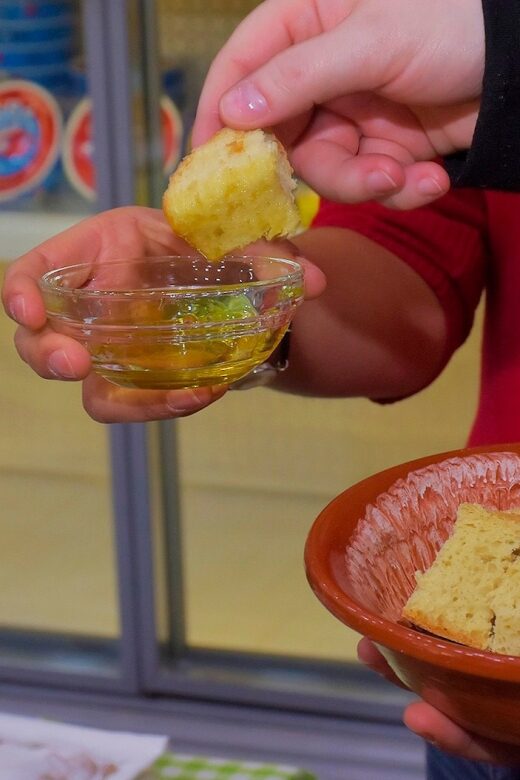
The tour’s food list is practical and classic: olives, honey, cheese, and a range of sweets. It’s also the kind of sampling that helps you understand why Mediterranean eating is discussed the way it is today. Your guide shares insight into Greek culinary heritage and the Mediterranean diet, framing the foods you’re tasting as part of a long-running culture, not random tourist bites.
This approach also keeps you from making the common mistake: eating one heavy meal and then losing interest in everything else you pass. Here, you’re snacking while you’re learning, so each stop feels connected to the next street and the next flavor.
Other private Acropolis tours we've reviewed in Athens





What You’re Really Paying For at $360 per Person
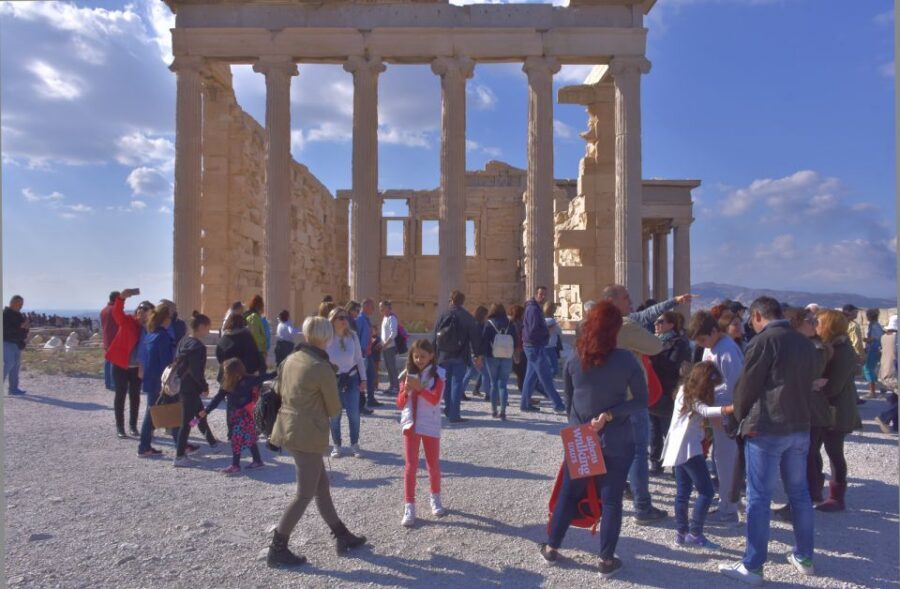
At $360 per person, you’re not just paying for entry tickets. Yes, entrance tickets are included (20€), and you also get skip-the-ticket-line access. But the bigger value is the private, licensed guide who blends archaeology with food culture in one continuous route.
Five hours sounds short, until you remember the Acropolis is not easy time-wise. You’re dealing with security checks and strict entry times, and you’re walking between levels of the city. A guided plan prevents you from spending that time figuring out what to see first and where to go next.
So the price makes sense if you want efficiency and someone to interpret what you’re seeing. If you prefer to wander independently, you can do parts of this on your own. But you’ll likely spend more time guessing and less time understanding why each monument and each food stop matters.
Meeting Point, Timing, and What You Should Do Before You Go
The meeting point is at 3 Dionyssiou Areopagitou Street, where you should look for an orange sign displaying Athens Walking Tours. It’s at the start of the pedestrian walkway that leads to the Acropolis from Hadrian’s Arch, near Syngrou.
Plan to arrive with margin. The Acropolis has strict entry times, and the tour can’t wait for latecomers. That matters because all visitors go through airport-style security, and in peak season you may face waits of 30+ minutes.
Also note what you shouldn’t bring: baby strollers, luggage, or large bags are not allowed. If you’re traveling light, you’ll be happier. This is a walk-and-sample format, not a lug-it-all day.
Who This Private Tour Is Best For (and Who Should Skip)
This fits best if you want two different types of Athens in one shot: ancient monuments plus food culture on the streets. It’s also a good choice if you enjoy having someone explain what you’re seeing in English while you still get plenty of freedom to look around and take photos.
It’s private, so you can move at a pace that works for your group, and the focus is on sampling and interpretation. If you need wheelchairs or have significant mobility limits, this isn’t suitable. The tour includes uphill walking and sites that don’t accommodate wheelchair use based on the tour’s stated requirements.
Should You Book This Acropolis and Greek Food Private Tour?
If your ideal Athens day includes both the Acropolis monuments and hands-on Greek tasting stops, I think this is a strong pick. The structure is smart: start with Dionysus Theater, climb with context, then transition into markets where you can translate food culture into flavors you can actually remember.
Book it if you value a guide who links sites together and you want to spend your time tasting and learning instead of plotting logistics. Skip it if you need step-free movement or if you’re likely to run late, because strict entry timing and security lines are real parts of the experience.
FAQ
How long is the tour?
The tour lasts 5 hours.
Where is the meeting point?
You meet at 3 Dionyssiou Areopagitou Street. Look for the orange sign that says Athens Walking Tours, at the start of the pedestrian walkway leading to the Acropolis from Hadrian’s Arch, near Syngrou Avenue.
What does the tour include?
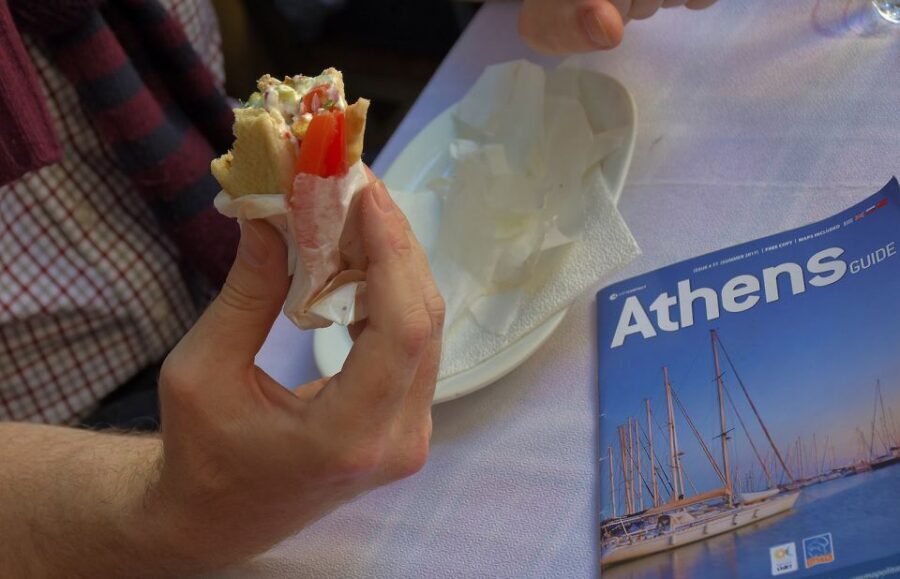
It includes entrance tickets (20€), a local licensed guide and food specialist, sample local delicacies and beverages, plus an Athens Guide magazine and an Athens map.
Do I skip the ticket line?
Yes, the tour offers skip the ticket line.
Which sites are covered?
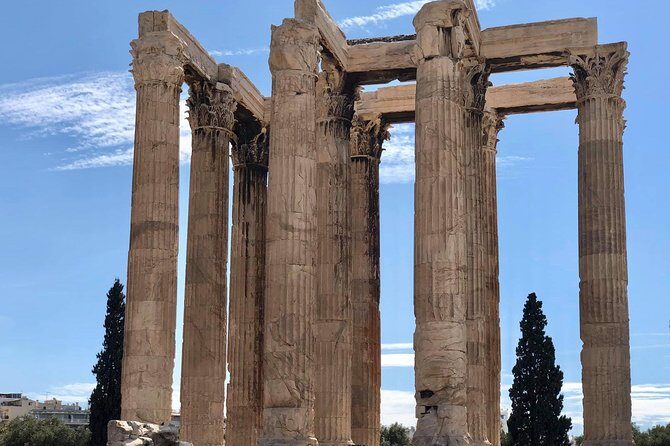
You’ll visit Dionysus Theater, and on the Acropolis you’ll cover major monuments including the Parthenon, Temple of Athena Nike, the Propylaea gateway, and the Erechtheion. The experience also references Temple of Zeus and the Dionysus Theater and Sanctuary as part of what you’ll see.
What language is the tour guide?
The tour is in English.
Do I need to buy tickets in advance?
You need to pay cash for your admission ticket at the check-in location just before the tour. The operator says they’ve secured tickets for your specified time.
What should I bring and avoid bringing?
Bring comfortable shoes and a sun hat. Baby strollers are not allowed, and luggage or large bags are not allowed.