REVIEW · ATHENS
Athens Acropolis & Museum PRIVATE TOUR with a Local Private Guide
Book on Viator →Operated by Withlocals · Bookable on Viator
Skip lines and read Athens in context. This private tour is built to get you through the Acropolis fast with a local host who explains what you’re seeing as you go, then shifts to the Acropolis Museum so the ruins make sense. I especially like the time-saving flow plus the chance to add extra stops around the Acropolis area, from Hadrian’s Library and the Roman Agora to Anafiotika and the Tower of the Winds. The main catch is practical: you still pay site admission in cash to your guide, and you’ll be walking uphill.
It runs about 3 hours, with only your group, and it’s designed for a moderate fitness level. You start near Makrigianni 9 and end at the Acropolis, and hotel pickup is not included—so plan your own way to the meeting point.
In This Review
- Key things that make this tour worth it
- Why this Athens Acropolis + Museum tour feels different than a bus day
- Price and ticket reality: what you pay, what you get, what to budget
- Where you start and end: Makrigianni 9 to the Acropolis exit
- The route up through Athens: Dionysus, Odeon, then the Acropolis itself
- Before the climb: Anafiotika, Tower of the Winds, and a more local Athens
- Acropolis Museum time: why it pairs so well with the ruins
- How hard is it really? Footwear, uphill walking, and pacing
- The guide makes or breaks it: what to look for and who you might get
- Who this tour is best for (and when it might not be)
- When to go: timing that can make crowds feel smaller
- Should you book the Athens Acropolis & Museum private tour?
- FAQ
- How long is the Athens Acropolis and Museum PRIVATE TOUR?
- Is this tour private or shared with other groups?
- Are Acropolis and museum tickets included in the price?
- Do I get skip-the-line access at the Acropolis?
- Where do we meet and where does the tour end?
- Is hotel pickup or drop-off included?
- What fitness level do I need?
- How far in advance do people usually book this tour?
- Can I cancel for a refund?
Key things that make this tour worth it

- Skip-the-line Acropolis access so you’re not burning precious sightseeing time in queues
- A local private guide who connects myths, Roman layers, and everyday Athens details
- Side stops beyond the big monuments like Anafiotika, Hadrian’s Library, and the Roman Agora area
- The Tower of the Winds and traditional-market time for atmosphere, not just photos
- Acropolis Museum included in the plan so you see the story behind the stones
Why this Athens Acropolis + Museum tour feels different than a bus day
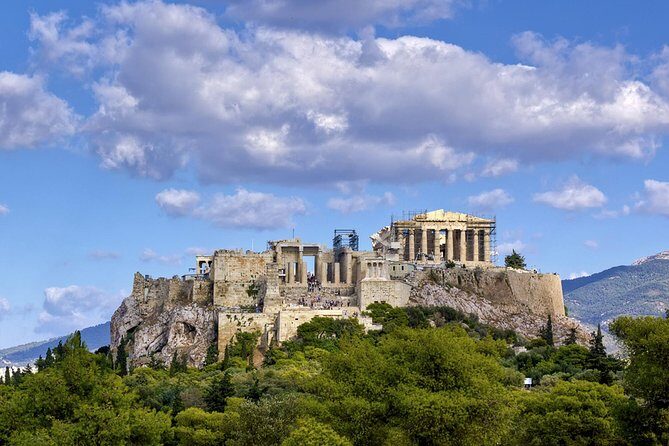
The Acropolis is famous for a reason, but it can also feel like a checklist when you’re moving through crowds. This private format is designed to solve that problem: you move with a local guide, you hit the key points without the slow crush of group lines, and you get narration that ties the ruins together instead of naming dates only.
I like that the tour aims to get you oriented fast. You’re not just dropped at the entrance; the plan starts with a warm-up around the Acropolis area so you understand the geography before you climb and look up.
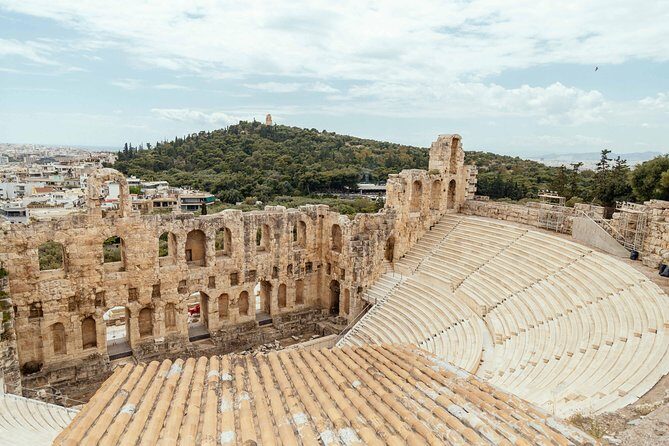
You’ll also spend time on stops that give the site its layers. Greek drama sites such as the Theatre of Dionysus area and Roman structures like Herod Atticus Odeon help you see how Athens kept reusing, rebuilding, and repurposing sacred space. That makes the visit feel less like one monument and more like a city expanding over centuries.
One more thing that matters: it’s not a “stand and listen forever” tour. People get pulled off to the side for better views and quicker photo moments, and the guides have a reputation for not talking at you nonstop.
Other Acropolis and Parthenon tours we've reviewed in Athens
Price and ticket reality: what you pay, what you get, what to budget
The tour price is about $191.16 per person, for a private experience lasting roughly 3 hours. That’s not cheap, but private guides cost money, and you’re also paying for time saved—especially around the Acropolis.
Here’s the part you must budget for: Acropolis and museum entrance tickets are not included. You pay 35€ per person in cash to your guide. Your guide can still use skip-the-line access for the Acropolis, but you’ll handle admission on the spot.
So the value math looks like this: you’re paying for guidance, crowd-smart timing, and a smoother route that likely saves you from wasting an hour or more in lines and confusion. If you’d rather spend that time actually looking at stone details and listening to explanations, this can be money well spent.
Also note what’s not included: hotel pickup and drop-off. That can be a deal-breaker if you’re staying far from central Athens or you hate navigating public transit.
Where you start and end: Makrigianni 9 to the Acropolis exit
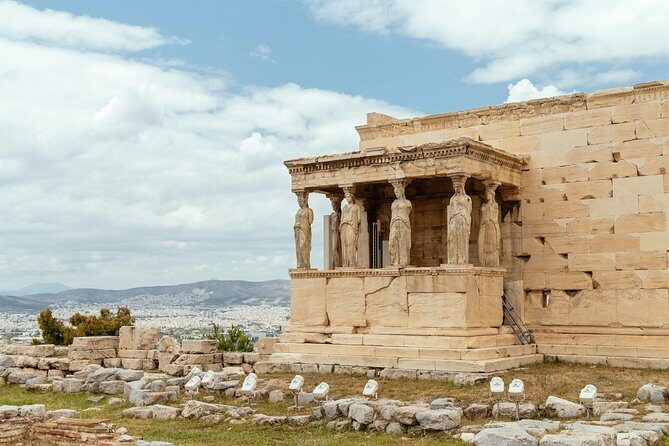
The tour begins at Makrigianni 9, Athina 117 42, Greece. You’ll finish at the Acropolis area, Athens 105 58, Greece.
That route matters because it changes your planning. Since you’re not being collected from your hotel, you’ll want to confirm you can reach Makrigianni 9 without drama—especially if you’re traveling with someone who doesn’t enjoy hailing taxis or walking uphill before the tour begins.
The meeting point is described as near public transportation, which is a big help. If you’re using metro/tram connections, you’ll likely find it easier to get there than if the start were deep in a residential neighborhood.
Ending at the Acropolis also works in your favor. Once the tour ends, you’re already in the right zone for grabbing a view, stepping into another nearby site, or continuing on with your own plan.
The route up through Athens: Dionysus, Odeon, then the Acropolis itself

Inside the main Acropolis zone, you’ll spend time at a series of anchor points that guide the way you look at the hill.
First comes the Theatre of Dionysus Eleuthereus area. This is described as a prototype of Greek theatres, located on the south side of the Acropolis. Even if you don’t know Greek drama, it’s a powerful stop because it shows how performance and civic life were tied to sacred places. Your guide’s job here is to turn seating rows and stone ruins into a mental picture of how people once gathered and watched.
Next is Herod Atticus Odeon, a Roman theatre on the southwest slope of the Acropolis. Roman Athens didn’t just copy Greek forms—it placed its stamp on them. The benefit of visiting both Dionysus and Herod Atticus is that you can feel the transition between Greek cultural roots and later Roman adaptations.
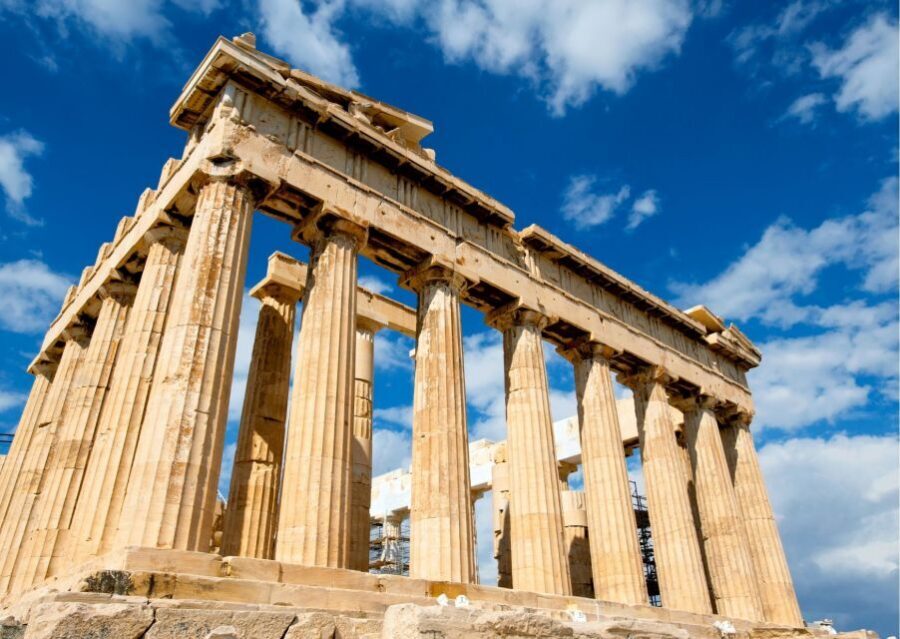
Then you hit the Acropolis itself. This is where timing really matters. The skip-the-line access is aimed at getting you in with less waiting, so you’re not standing under the sun while tour groups rotate in and out.
One practical note: the tour is structured so you’ll have chances to continue exploring on your own after guide time ends at specific points. That’s helpful because the Acropolis is big, and you may want extra minutes to focus on your personal favorites—like inscriptions, architectural details, or views toward the city.
Before the climb: Anafiotika, Tower of the Winds, and a more local Athens

The best Acropolis visits don’t start at the ticket line. They start with context—understanding how this hill connects to the rest of Athens.
That’s why this tour includes time around the Acropolis area before and between the major monument moments. You may see the tiny village of Anafiotika, a small neighborhood feel tucked near the rock that helps you picture how Athens lives beside ancient stone. It’s the kind of place that turns the tour from history lesson into travel experience.
You’ll also have the chance to visit the Tower of the Winds area. This is a rare stop because it’s not just about scale or grandeur; it’s about function and design. It helps you look at the Acropolis region as a real, working space that blended religion, engineering, and everyday observation.
A traditional market stop is also part of the plan. Even if you don’t buy anything, markets give you sensory anchors: what people eat, how locals move, and the texture of neighborhood life. That’s useful on a tour like this, because the Acropolis can feel like a museum setting unless you balance it with street-level Athens.
The itinerary also points to Greek Orthodox churches in the surrounding area. That matters because it reminds you the city didn’t freeze in ancient times. Layers of faith and community are still present, just in different forms.
Other private Acropolis tours we've reviewed in Athens





Acropolis Museum time: why it pairs so well with the ruins
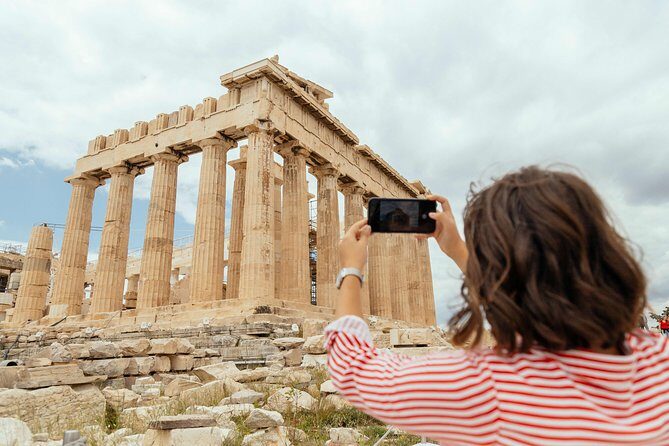
The Acropolis is impressive, but the museum is where the story becomes clearer.
This tour includes museum time as part of the experience, with your local guide explaining what you’re seeing in a way that links objects to architecture and mythology. That’s exactly what you want when you’re staring at stone fragments and wondering what’s missing.
From past guided experiences with guides on this route, one theme keeps coming up: guides take time at both the ruins and the museum so the mythology and the status of the ruins come to life. In other words, you don’t just get a list of names. You get a sense of why certain things matter and how the site fits together.
Practical upside: the museum can give you a breather. If the climb and walking start to feel like a lot, museum time lets you reset your energy while still staying engaged.
If you love connecting the physical site to what’s inside the collection, you’ll probably find the museum slot one of the best parts of the tour. And if you’re more of a visual learner, the museum helps you see what the guides mean when they point out design details.
How hard is it really? Footwear, uphill walking, and pacing
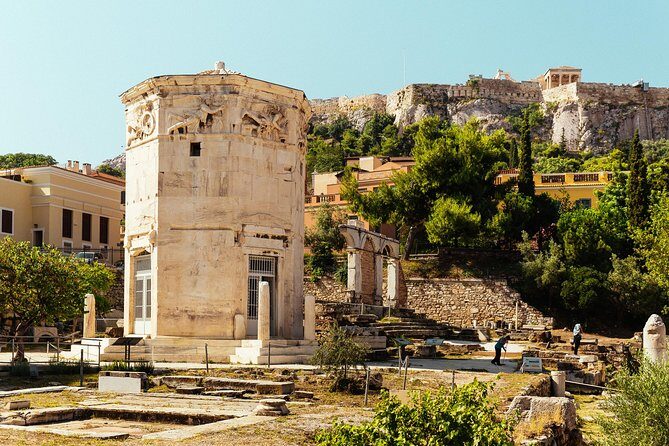
This tour is listed for moderate physical fitness. That’s code for: expect uphill walking and uneven stone. Even when a guide routes you smartly, you’ll still feel it in your legs because you’re working with the Acropolis terrain.
Footwear matters a lot. In guided experiences on this tour, a recurring tip is to avoid sandals. If you want a simple rule, use this one: wear supportive shoes you can walk in for 3 hours over stone and stairs.
Pacing is another big factor. Guides here are praised for knowing when to slow down, when to stop briefly, and how to avoid unnecessary crowd bottlenecks. If your group includes kids or someone who doesn’t love long uphill climbs, this kind of timing control can make the difference between a great day and a grumpy one.
You should also expect a bit of name-heavy narration. Guides often cover mythology, architecture, and the Greek-to-Roman transition. If you get tired of dates, tell your guide you prefer story and meaning over timelines. A good guide will adjust.
The guide makes or breaks it: what to look for and who you might get

This is a private tour with a local guide, and the difference shows up fast. You’re not stuck with a headset volume and a fixed script. You can ask questions, change your focus, and follow the guide’s route based on what your group cares about.
In particular, multiple guides tied to this experience have been praised for being friendly, not rushing people, and sharing background that makes the sites feel real. Names that come up include Arianna, Costas, Markella, and Stefanos. The common thread is clear: they take time at the Acropolis and museum so you understand the story, not just the photo angle.
Another detail to love: guides can help you get better pictures. People often leave with photos taken at the right spots and right timing, not just awkward crowd shots.
If you’re the type who likes a guide to answer your family’s questions, this private format is a strong fit. You’re not competing with 40 strangers for attention.
Who this tour is best for (and when it might not be)
This tour is a great match if you:
- want skip-the-line time at the Acropolis without sacrificing explanations
- like your history delivered as story, with ties between the ruins and museum objects
- prefer a private route over a rigid group itinerary
- care about seeing more than just the top of the hill, including the surrounding area
You might think twice if you:
- want a totally unstructured day and hate paying extra for museum/Acropolis admission separately
- don’t like paying cash to a guide at the sites
- have very limited mobility and need an ultra-low walking plan (this tour is only marked as moderate fitness)
Also, because hotel pickup isn’t included, your hotel location matters. If you’re staying far from central Athens, you’ll either spend more time commuting or you’ll need to budget for taxis.
When to go: timing that can make crowds feel smaller
The Acropolis is always popular. But timing helps.
One useful hint from experiences with this exact tour format: a later slot can sometimes mean fewer cruise-related crowds. For example, a 3pm start was described as a smart choice for calmer conditions after cruise groups leave and for less harsh heat.
Since your exact departure time isn’t listed here, treat that as guidance for choosing a later time slot when you have that option. Even a modest timing shift can make the walking experience feel easier.
Should you book the Athens Acropolis & Museum private tour?
Book this if you want your Acropolis day to feel guided, efficient, and meaningful. Paying the extra for a private guide makes sense here because the Acropolis can waste time without a plan, and the museum pairing is best when a human explains what you’re looking at.
Don’t book this if you’re hoping for an all-in, no-thinking ticket. You’ll pay 35€ per person in cash for admission, and you’ll walk uphill on uneven ground.
My take: if you’re doing Athens for a short stay, or if the Acropolis and museum are your top priorities, this tour is a strong buy. You’ll spend your energy on the parts you care about, not on waiting in lines or trying to connect the dots alone.
FAQ
How long is the Athens Acropolis and Museum PRIVATE TOUR?
It’s listed at about 3 hours.
Is this tour private or shared with other groups?
It’s a private tour/activity, and only your group participates.
Are Acropolis and museum tickets included in the price?
No. Entrance tickets for the Acropolis and museums are not included. You need to pay 35€ per person in cash to your guide.
Do I get skip-the-line access at the Acropolis?
Yes. The tour is described as skip-the-line for the Acropolis, with entry at your own expense (tickets are still paid separately in cash).
Where do we meet and where does the tour end?
You start at Makrigianni 9, Athina 117 42, Greece and you end at Acropolis, Athens 105 58, Greece.
Is hotel pickup or drop-off included?
No. Hotel pickup and drop-off are not included.
What fitness level do I need?
You should have a moderate physical fitness level, since the area involves uphill walking.
How far in advance do people usually book this tour?
On average, it’s booked about 79 days in advance.
Can I cancel for a refund?
No. This experience is non-refundable and cannot be changed for any reason.