REVIEW · ATHENS
Acropolis Skip The Line Private Tour with Licensed Expert Guide
Book on Viator →Operated by WARMPENGUIN · Bookable on Viator
Ancient Athens gets real fast. This private Acropolis tour pairs a licensed expert guide with smooth timing so you can focus on monuments, myths, and photos instead of figuring out crowds.
I especially like the meeting setup near the Acropolis Metro, which helps you get oriented right away, and the way the guide builds a clear story as you move from one landmark to the next. One thing to keep in mind: the price often depends on whether you choose the option where admission is included, and there’s real uphill walking with steps, so plan for heat and breaks.
In This Review
- Key highlights worth your time
- Starting at Makrygianni: how the tour gets you oriented fast
- Acropolis without the stress: pacing, crowds, and photos
- Theatre of Dionysus: why the Acropolis starts with drama
- Propylaea and Athena’s myth: the gateway effect
- Temple of Athena Nike: a smaller stop with big positioning
- Parthenon focus: what makes this hour worth it
- Erechtheion: statues, myth connections, and museum tie-in
- Herod Atticus Odeon: from ancient to still-active
- Ending inside the Acropolis: where to slow down for views
- Golden-Light tour: low-light magic with a tight plan
- Tailored 3-hour option: add the museum, Agora, or Plaka
- Price and value: what $188.26 per person buys you
- Who should book this Acropolis tour?
- FAQ
- Is admission included with the Acropolis Skip The Line private tour?
- Where do we meet the guide?
- How long is the tour?
- Can I choose a second site after the Acropolis?
- Are the guides licensed experts?
- Is this a private tour?
- Is cancellation free?
- Should you book it?
Key highlights worth your time
- Meet your guide by Makrygianni Street and the Acropolis Metro stop, so you start with context before the first entrance
- A true private format, meaning your pace and questions drive the schedule
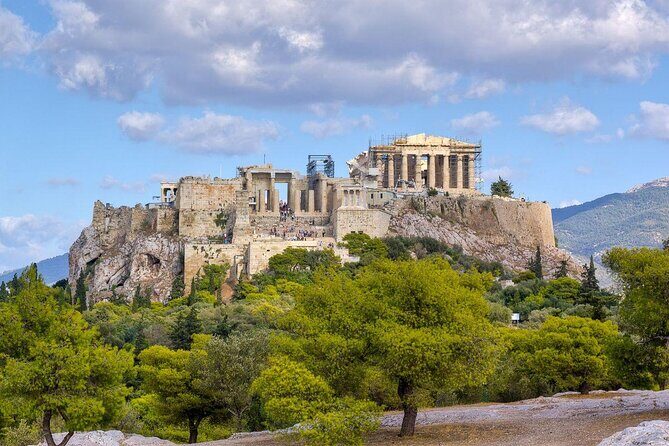
- Photo-friendly stops at major viewpoints like the Parthenon and the gateway area (Propylaea)
- Golden-Light option timed for the low-light magic on the Acropolis plateau
- A flexible 3-hour version that can add the Acropolis Museum, Ancient Agora, or Plaka
Starting at Makrygianni: how the tour gets you oriented fast
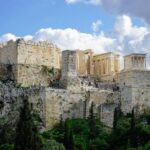
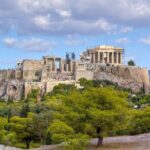
The tour begins at Makrygianni 7, Athina 117 42, with your guide waiting near the Acropolis Metro stop, just around the corner from the main entrance. That matters more than you’d think, because you get a quick orientation outside the busiest pinch points—views of the surrounding wall area and an introduction to what you’re about to see.
Right away, the guide sets the scene around the Acropolis as a living center of ancient Greek life, not just a pile of stones. You’ll also get a preview of the big temples and monuments that become easier to recognize once you understand how they connect.
If you’re prone to getting overwhelmed by crowds, the private setup helps. You can ask questions immediately instead of saving them for later, and you’re not stuck listening to a generic talk while you’re trying to find your own footing.
Other Acropolis and Parthenon tours we've reviewed in Athens
Acropolis without the stress: pacing, crowds, and photos
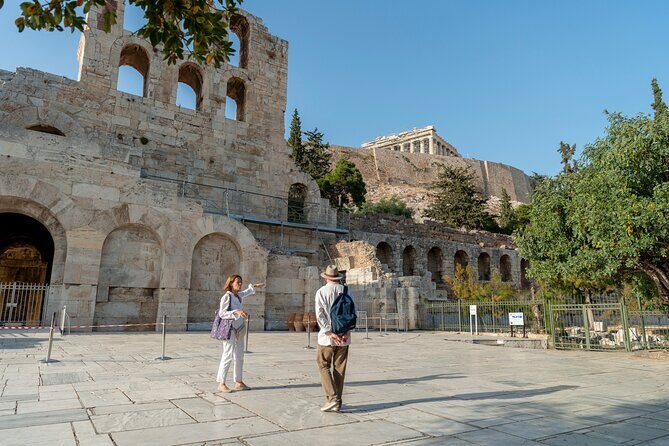
One of the best values here is how the tour handles flow. The Acropolis can feel like constant motion—stairs, tight lines, and people stopping wherever they please. With a licensed guide leading you, you get a plan for where to look and when to slow down.
This is also where the private format shows up in real life. In tour feedback, guides like Mondo, Vicky, Marina, and Anna are repeatedly praised for keeping the group engaged, including frequent pauses on the walk up and help with taking photos. If you’re traveling with teens, older family members, or anyone who needs a slower rhythm, that built-in flexibility is a major advantage.
The one caution is physical: there can be a lot of uphill walking and steps, and heat and humidity can make it tougher. Bring water, wear breathable shoes, and don’t be shy about requesting a rest break when you need it.
Theatre of Dionysus: why the Acropolis starts with drama
Your next major stop is the Ancient Theatre of Dionysus, in surprisingly good preservation. This amphitheater sits into the hillside slopes of the Acropolis and dates to the 4th and 5th century BC.
The guide frames it with a big idea: this is considered the world’s oldest theatre, with an original capacity sometimes cited around 25,000. When you hear that number in context, it’s easier to imagine not just plays, but whole civic moments unfolding in that space—an entire audience gathered in one place for performances.
Even with a short stop, you’ll likely notice how the site layout supports sound and sightlines. It’s a quick but powerful reminder that the Acropolis wasn’t only about temples—it also hosted public life.
Propylaea and Athena’s myth: the gateway effect
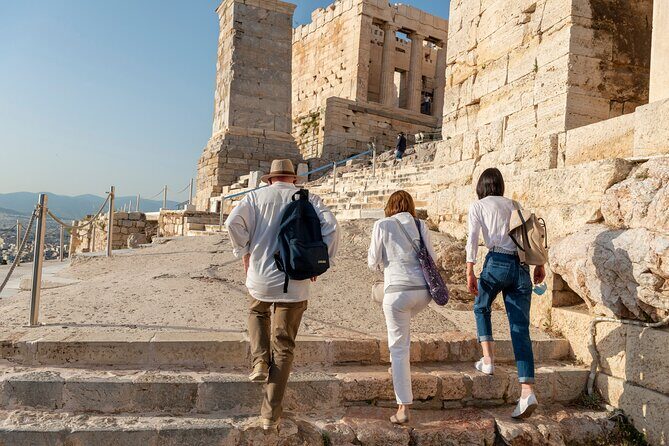
Next comes the climb toward Propylaea, the monumental gateway into the Acropolis. This is the moment when the temples start lining up in front of you, and your viewpoint changes from “approaching the hill” to “entering a sacred precinct.”
The guide adds a legend that helps the gateway feel less abstract. You’ll hear about a bronze statue of Athena and a detail tied to incoming ships—people believed the tip of her spear could be seen in the sunlight. Even if you take the myth as myth, it still does something useful: it gives you an anchor for what you’re looking at and why ancient people cared about visibility and symbolism.
If you like photos, this is one of the moments when you’ll want to pause and let the light and angles settle. It’s a classic viewpoint zone, and a guide can help you find angles that reduce the crowd problem.
Temple of Athena Nike: a smaller stop with big positioning
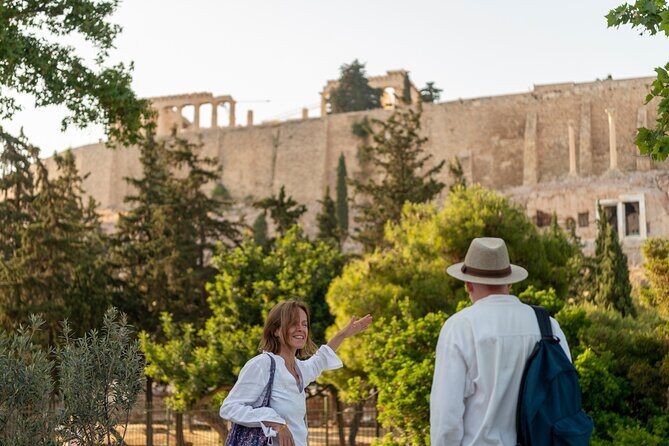
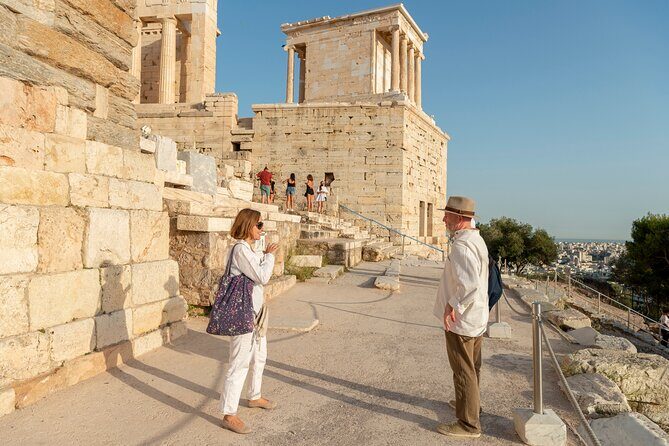
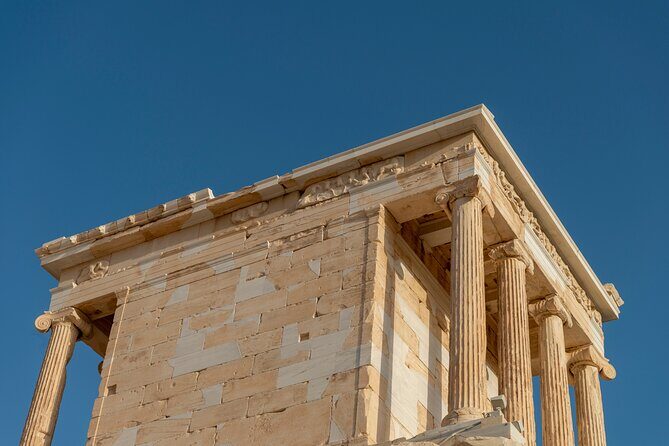
The Temple of Athena Nike is a Classical Ionic temple built around 420 BC and dedicated to Athena. It’s described as largely restored, and it sits in a prominent position overlooking the city.
This stop is easy to miss if you’re rushing, but it’s a good “breather” between heavy hitters. The guide uses it to explain how smaller structures still carried major meaning, especially when placed for visibility over the city below.
Because it’s partly restored, you may notice details that help your imagination. That’s one of the practical reasons to have a guide here: you’re not just reading about what’s left—you’re connecting it to what it once represented.
Other private Acropolis tours we've reviewed in Athens

Parthenon focus: what makes this hour worth it
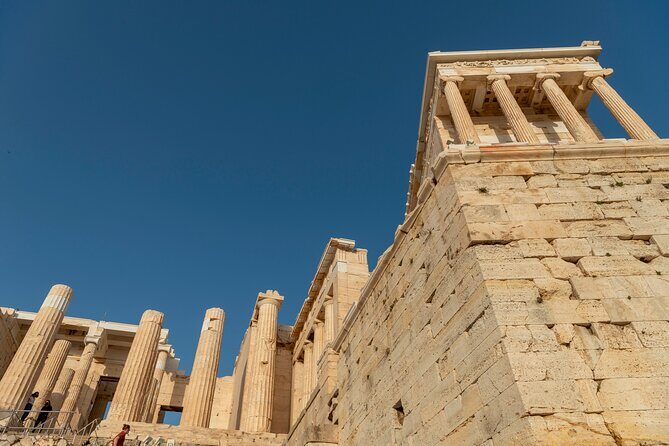
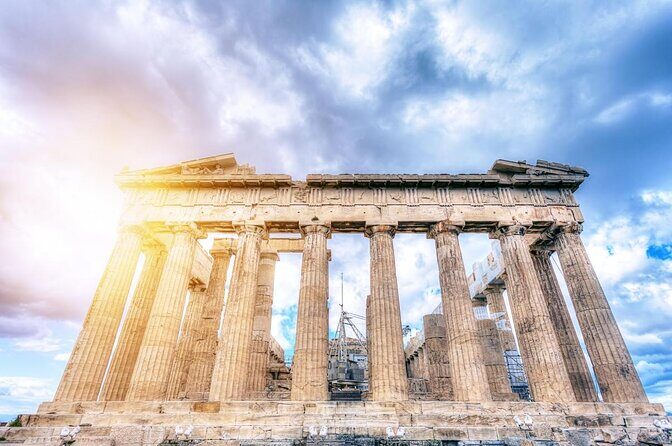
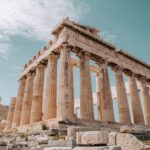
The Parthenon is the headline, and the tour gives it real time—around 20 minutes—with an overview of its construction, mythology, and historical importance. This is where you’ll learn to look beyond the iconic silhouette and notice how the design communicates power and sacred purpose.
What I like about this segment is the “why” behind the “what.” Instead of treating the Parthenon like a photo-op, the guide explains the logic of the building: its role in the Golden Age of Classical Greece, and how it functioned in ceremony and worship.
Crowds still happen here, but a private guide changes your experience. You’re not stuck reacting to other people’s stopping points. You’re guided toward vantage points, and the narrative helps you keep moving with intention rather than drifting from landmark to landmark.
Erechtheion: statues, myth connections, and museum tie-in
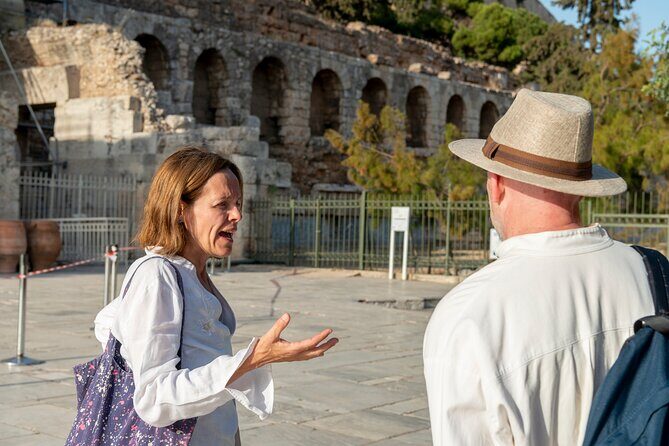
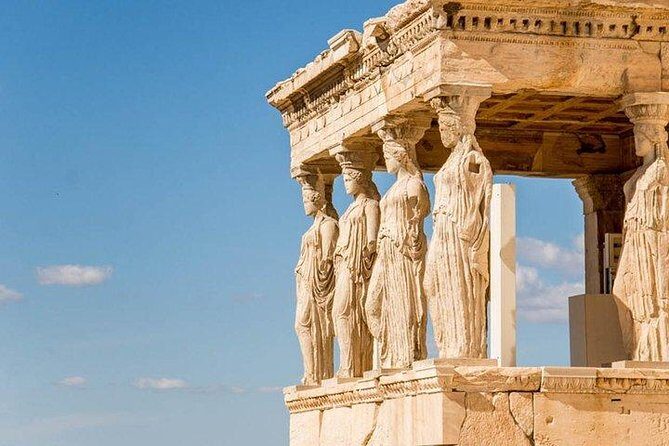
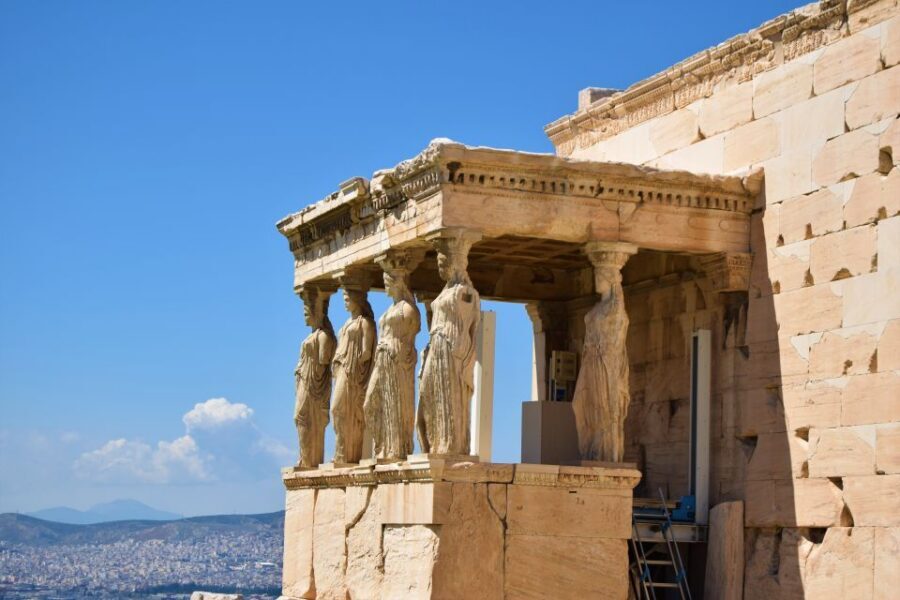
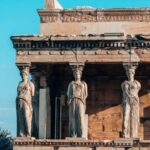
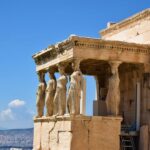
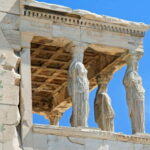
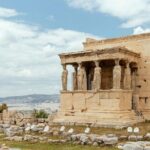
After the Parthenon, you head to the Erechtheion, dedicated to both Zeus and the goddess Athena. It’s described as the second largest temple of the Acropolis, and it’s often associated with famous sculptural details.
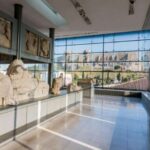
The guide’s approach ties mythology to specific features you can see on-site, and you’ll also get a preview that some impressive statues are now in the museum. That museum connection can be handy later if you choose the extended 3-hour option, because it gives you a reason to revisit what you’re seeing.
A practical note: this stop can feel “busy” visually, especially if you’re trying to photograph everything. A guide can help you pick the right angles so you don’t end up with 40 similar shots and no sense of what each piece means.
Herod Atticus Odeon: from ancient to still-active
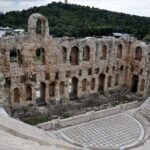
One of the coolest contrasts on the walk is Herod Atticus Odeon, built in AD 161 by Herodes Atticus in memory of his wife. It’s a marble amphitheater, and it continues as a working theatre to the present day.
That continuity hits differently compared to many ruined sites. The guide’s framing tends to make you think about audiences, performance traditions, and how public gatherings persist even as the culture changes.
It’s a shorter stop, but it adds a modern twist to the day. You’re not only looking at ancient engineering—you’re seeing how certain forms of gathering never truly left.
Ending inside the Acropolis: where to slow down for views
After you finish the core monuments, you’re ended inside the Acropolis so you can keep enjoying views and take photos. The guide leaves you there, which is a smart design: it avoids the trap of turning your finale into a rushed departure.
If you choose a tour option that continues to a second site, your guide will adjust and end at that extra location instead. If you’re staying flexible, this is a good way to avoid wasting time later.
For many people, this is where the Acropolis becomes less like a list and more like a panorama. Let yourself linger on the angles back toward Athens, especially if you’re sensitive to crowds and prefer your best photos at your own pace.
Golden-Light tour: low-light magic with a tight plan
If you pick the Acropolis Golden-Light Tour, the timing is aimed toward the special effects of low light on the Acropolis plateau. This option runs about 90 minutes with the goal of experiencing the atmosphere as the day shifts.
In practical terms, you’re trading some length for a different mood. Instead of a broader “see everything” pass, you get an optimized lighting experience. If you care about photos or you love the idea of monuments looking different as the sun changes, this can be a strong choice.
Just remember it’s still an active site with steps and uneven terrain. Golden hour helps with crowds for some people, but it doesn’t remove the physical reality of the climb.
Tailored 3-hour option: add the museum, Agora, or Plaka
The Acropolis Tailored 3hr Tour extends the time to about 3 hours and adds another site of your choice. Options include the Acropolis Museum, Ancient Agora, or Plaka neighborhood.
The benefit of this is simple: it closes loops. You can see key sculptures in context in the museum after you’ve already connected them to what you saw on the hill. Or you can shift from sacred space to civic Athens with the Agora, and then soften the day with the neighborhood feel of Plaka.
If you don’t send a preference after booking, the default extra stop is Plaka. That’s a good fallback if you want a mix of culture and a place to slow down for food and casual wandering—without committing to a second major ticketed site.
Price and value: what $188.26 per person buys you
At $188.26 per person, this isn’t a budget tour. But it is also not just paying for someone to walk beside you. You’re paying for a private experience with a licensed official expert who can enter the Acropolis with you and guide you through the key monuments with context.
Admission is the big variable. Tickets are included only if you choose the option where admission is part of the price (listed as €35.00 per person if not included). For other options, skip-the-line tickets may still be arranged by request for an extra cost.
So the real value question is this: do you want to save time at the entrance and get clear explanations while you’re actually standing in front of the monuments? If yes, this format often justifies the cost because it turns your visit into a guided experience, not a self-led puzzle.
If you’re traveling with a smaller group and you hate the idea of waiting or missing out because you lost time finding the right entry, private usually wins. If you already know exactly what you want and you don’t need the narrative, you might consider whether spending more is worth it for your style.
Who should book this Acropolis tour?
This works best for you if:
- It’s your first time in Athens and you want a structured way to understand the Acropolis fast
- You care about stories and myth details tied to what you’re seeing
- You want a private pace that supports questions, breaks, and better photo angles
- You’re traveling with kids, older adults, or anyone who needs thoughtful pacing
It might be less ideal if:
- You’re strictly budget-first and plan to self-guide with minimal explanation
- You can’t do uphill walking and steps at a heritage site (even with rest stops)
- You only want a short photo run and plan to skip context
FAQ
Is admission included with the Acropolis Skip The Line private tour?
Admission fees and tickets are included only if you choose the booking option that explicitly includes admission. If you do not select that option, entrance fees are not included, and the tour notes that skip-the-line tickets may be arranged for an extra cost by request.
Where do we meet the guide?
You meet your guide at Makrigianni 7, Athina 117 42, Greece, near the Acropolis Metro stop at Makrygianni Street. The tour ends at the Acropolis, Athens 105 58, Greece (unless you chose an option that continues to a second site).
How long is the tour?
The Acropolis-only private tour is listed as approximately 2 hours. There are also option lengths: the Golden-Light tour is described as 90 minutes, and the Tailored 3-hour option extends to about 3 hours.
Can I choose a second site after the Acropolis?
Yes. The Tailored 3hr option lets you add another site of your choice, such as the Acropolis Museum, Ancient Agora, or Plaka neighborhood. If you do not specify a preference after booking, Plaka is the default.
Are the guides licensed experts?
Yes. The tour states that guides are fully accredited official experts and are licensed to enter the Acropolis with you.
Is this a private tour?
Yes. It’s listed as private, with only your group participating.
Is cancellation free?
Yes. Free cancellation is offered up to 24 hours in advance of the experience’s start time for a full refund.
Should you book it?
If you want the Acropolis to feel understandable and not overwhelming, I think this is a strong buy—especially for first-timers, families, and anyone who values good pacing. The mix of major stops (Dionysus, Propylaea, Nike, Parthenon, Erechtheion, and the Odeon) plus the option for Golden Light or a museum/Agora/Plaka add-on gives you multiple ways to match the visit to your interests.
Just do the math on admission based on your option, and plan for the steps. If you’re okay with that, a licensed guide leading you through the core monuments in a private format is the kind of choice that turns a famous site into a memorable story.