REVIEW · ATHENS
Acropolis & Agora: The Rise & Fall of Democracy
Book on GetYourGuide →Operated by Alternative Athens · Bookable on GetYourGuide
Democracy was built on stone. This guided Athens walk uses the Acropolis and the Ancient Agora to explain how people-power worked, why it was radical, and why it didn’t last forever. You’ll also compare ancient choices with today’s democratic challenges, without turning it into dry facts.
I love two things most: the pace feels right for real questions, and the story is delivered in a way that makes you see the buildings as political messages, not just pretty ruins. You’ll likely get that human touch from guides such as Maria, Nathalia, Anastasia, or Helena, who are praised for clarity, friendly energy, and giving you time for photos.
The main drawback is physical: you’re doing a lot of walking on an uneven, hilly site. If you’re dealing with mobility limits, this one isn’t a good fit, and comfortable shoes matter.
In This Review
- Key highlights you’ll remember
- The Acropolis as political messaging, not just a postcard
- A timed walk of symbols: Herodes Atticus to the Parthenon
- Erechtheion and Athena Nike: why small stops still matter
- Ancient Agora: where people-power met everyday city life
- Democracy as an experiment: what to listen for as you walk
- Ancient vs modern democracy: practical takeaways you can carry home
- What the itinerary feels like on the ground (and where it can annoy you)
- Price and value: what you’re paying for at $69
- How to get the most from the guide (even if you’re not a politics nerd)
- What to bring (so the walking doesn’t ruin the day)
- Who should book this Athens democracy walk
- Should you book this tour?
- FAQ
- How long is the Acropolis & Agora: The Rise & Fall of Democracy tour?
- What languages are the guides available in?
- Is this a small group tour?
- Where do we meet, and where does the tour end?
- Are entry tickets included in the price?
- Are there free entry rules for young visitors?
- What should I bring for the tour?
- What is not allowed during the tour?
- Is the tour suitable for wheelchair users or visually impaired people?
- What’s the cancellation and payment flexibility?
Key highlights you’ll remember
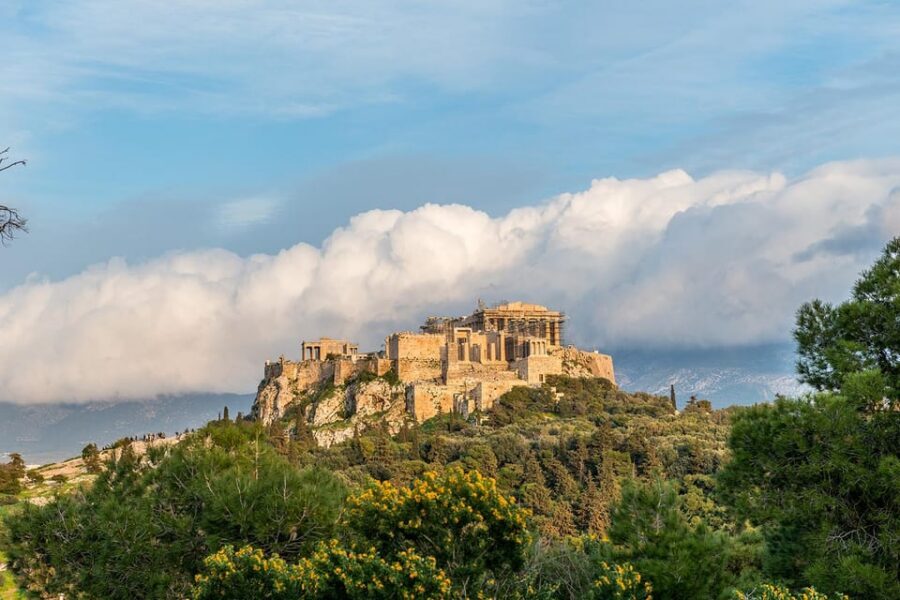
- Acropolis political stage: You’ll connect monuments like the Parthenon to civic messaging, not just sightseeing.
- Agora, where the debate happened: You’ll move from spectacle to the spaces tied to civic life and administration.
- Real comparison to today: You’ll sort similarities and differences between ancient and contemporary democracy.
- Guides who answer questions: Bilingual guidance (French/English) comes through with clear explanations and good Q-and-A time.
- Good value for a focused 3 hours: Entry tickets may be included depending on your option, with a certified guide and small-group format.
The Acropolis as political messaging, not just a postcard
The Acropolis tends to be treated like a scenery stop. This tour nudges you to see it as a message written in marble. When you’re standing up there, you’ll understand that the monument isn’t only about religion or art, but also about power—who the city wanted to look like, and how it wanted to persuade.
That shift in thinking is why this experience works. You’re not just scanning for columns; you’re learning to read the site like a political document. The goal is to start with the Athenians’ public face before you go looking for the system that shaped their civic life.
Other Acropolis and Parthenon tours we've reviewed in Athens
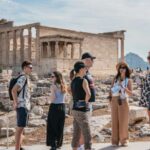
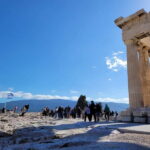
A timed walk of symbols: Herodes Atticus to the Parthenon

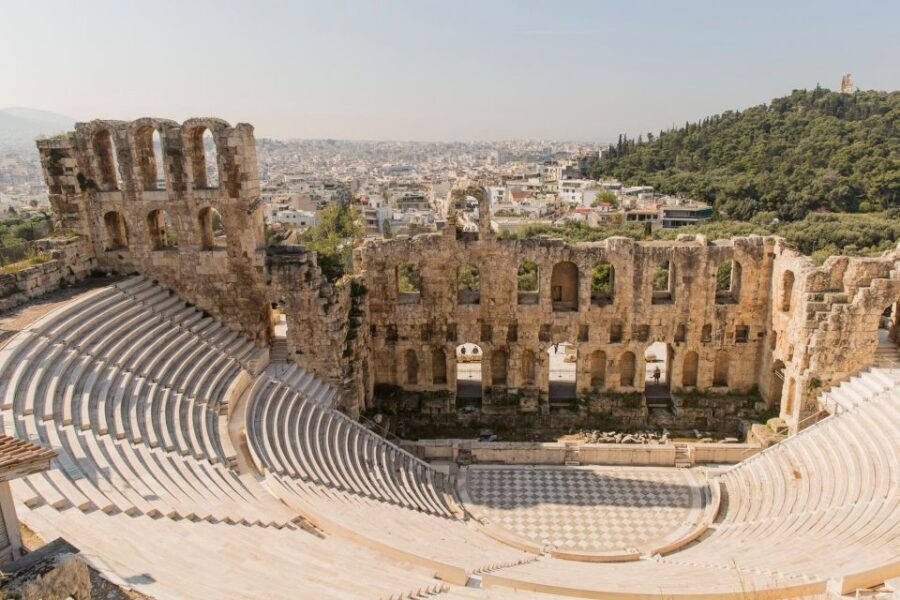
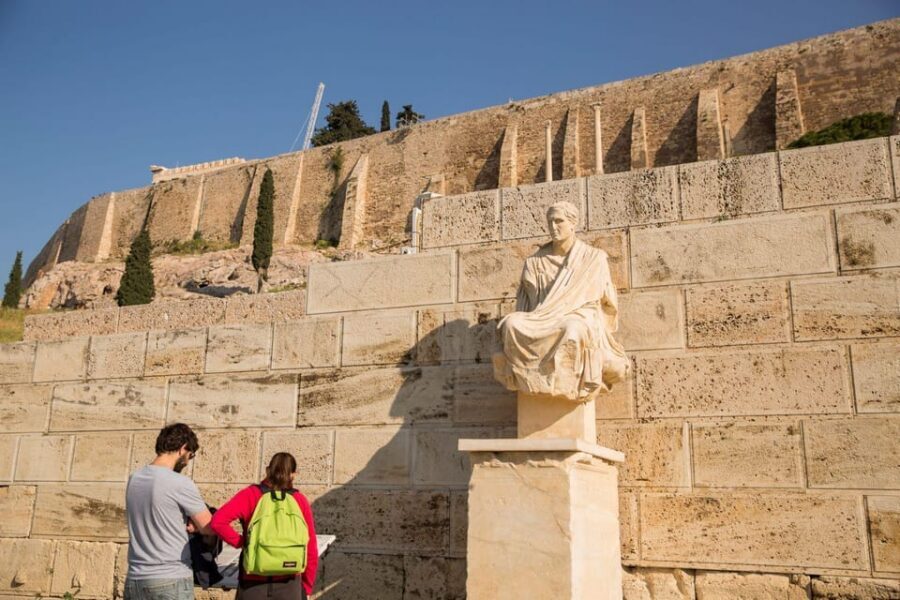
You’ll start with the key viewpoints and gateways that set up the Acropolis experience. First comes the Odeon of Herodes Atticus, then the Propylaea, which functions like the main entrance statement. Even if you don’t know the details yet, these stops help your brain map where you are and what kind of space you’re entering.
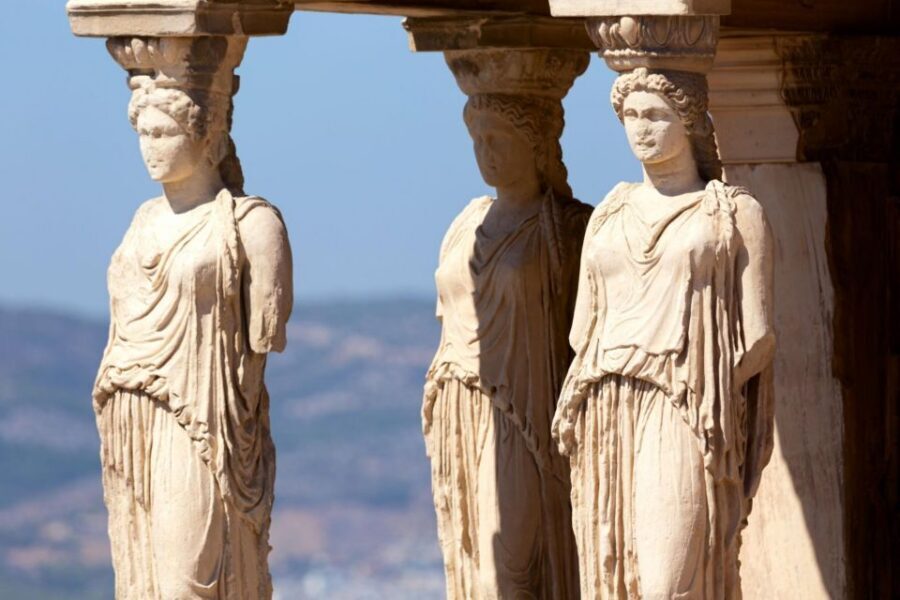
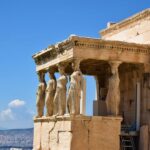
Next is a run of shorter guided segments at major spots. You’ll visit the Temple of Athena Nike and the Erechtheion—places that reward attention to layout and purpose. The tour keeps these pieces moving at a pace that’s long enough for understanding, but short enough that you won’t feel stuck.
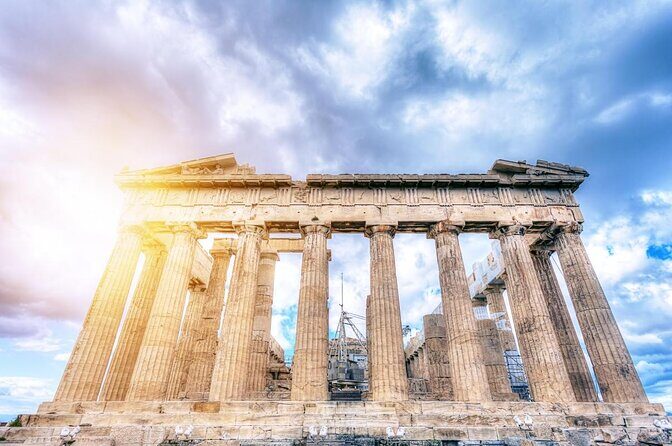
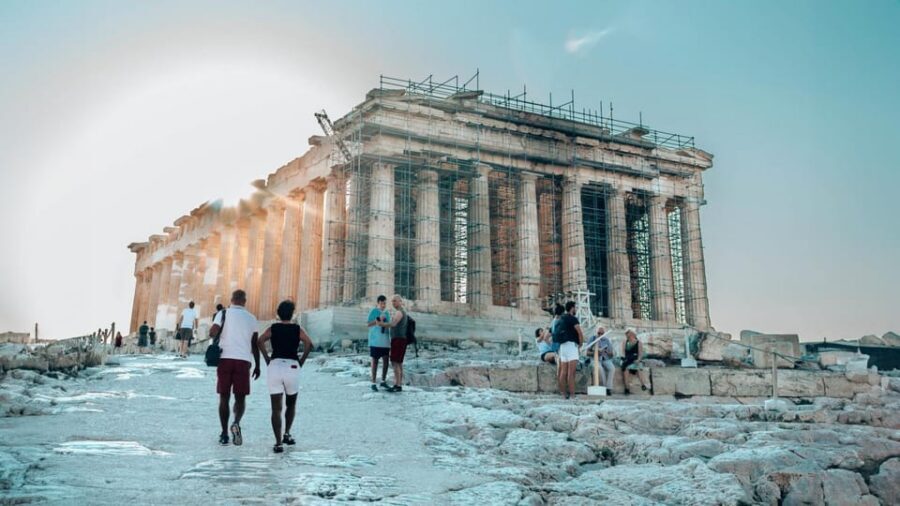
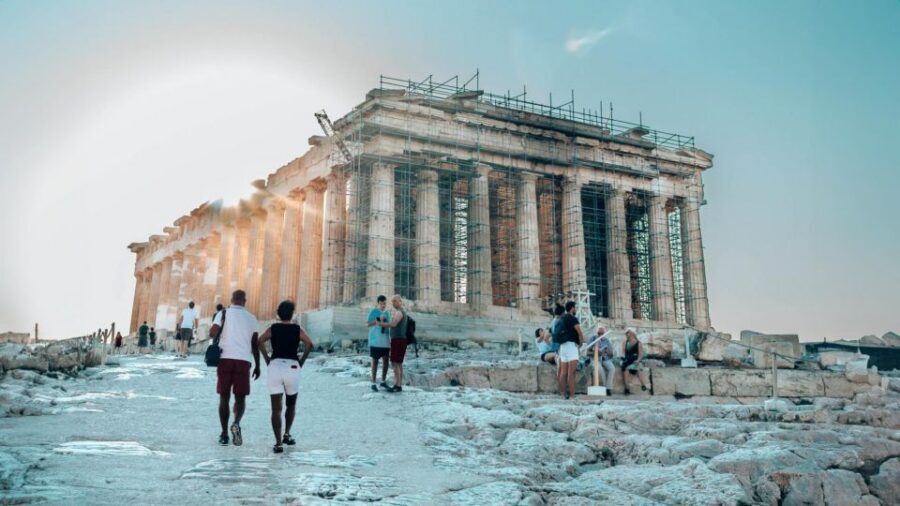
Then you reach the Parthenon, and that’s where the time goes. You’ll spend about an hour here with guided context, so you’re not left just looking and guessing. This is also where the democracy story starts to feel more concrete, because you’ll be thinking about what the Athenians chose to promote and why it mattered.
Erechtheion and Athena Nike: why small stops still matter
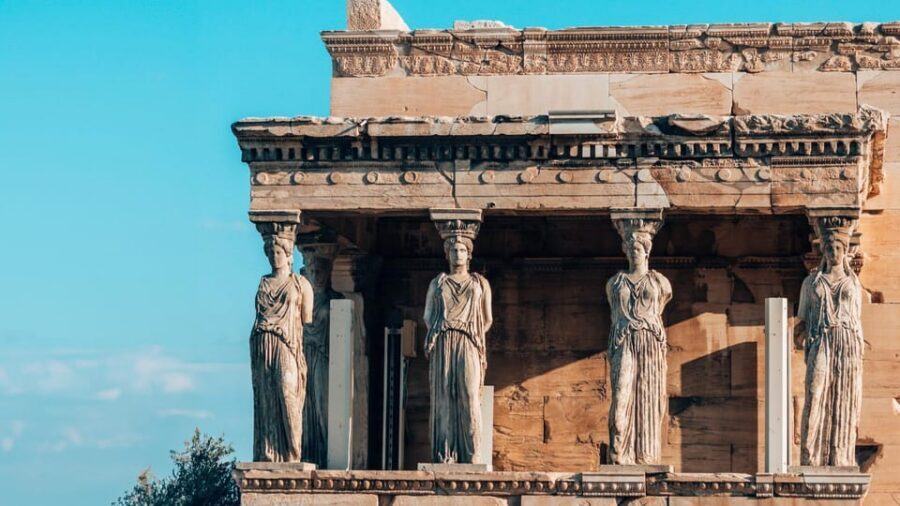
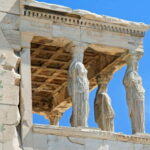
The Erechtheion and Temple of Athena Nike are often treated like quick photos between bigger attractions. Here, they’re used to keep the political and civic theme running. You’ll learn how these buildings fit into the broader story of Athenian identity and public life.
What I like about this approach is that it teaches you how to slow down. You don’t need to memorize dates to get value. You just need to follow what the guide is pointing at—what this place communicates, and how it connects to the ideas behind the government.
If you’re the type who enjoys short guided moments where you can still ask questions, these stops are a sweet spot. If you hate walking and prefer long museum-style sitting, you might feel the pace, especially on hotter days.
Ancient Agora: where people-power met everyday city life
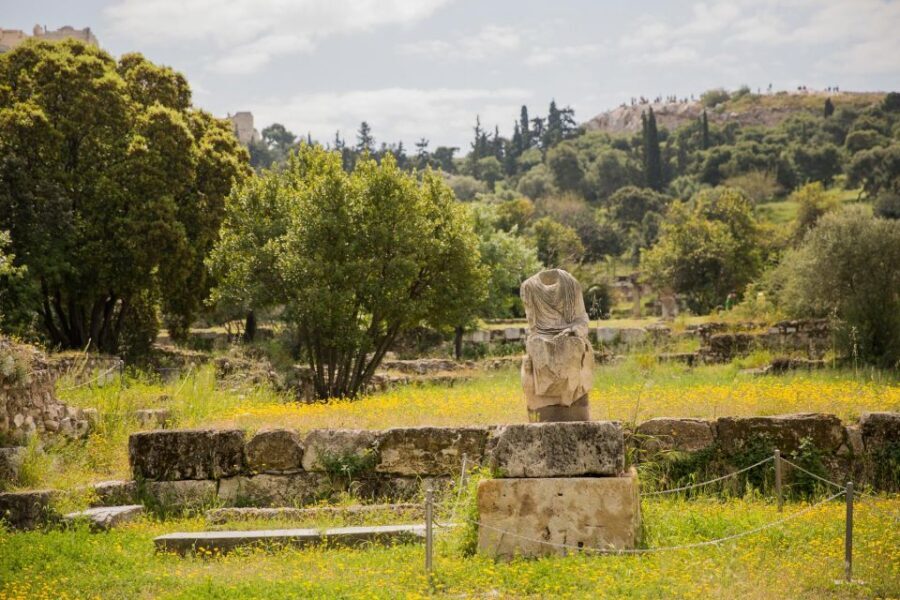
After the heights, you drop into the Ancient Agora, and the atmosphere changes fast. The Agora is where you go from monuments to the daily mechanics of civic life. This tour presents it as the heart of ancient Athens—political, commercial, and administrative.
That framing matters because democracy isn’t only a concept. It’s a process that takes place in real spaces—where people gather, argue, decide, trade, and manage civic matters. When you’re guided through the Agora, you’ll be thinking about how rules and values worked in the places where life actually happened.
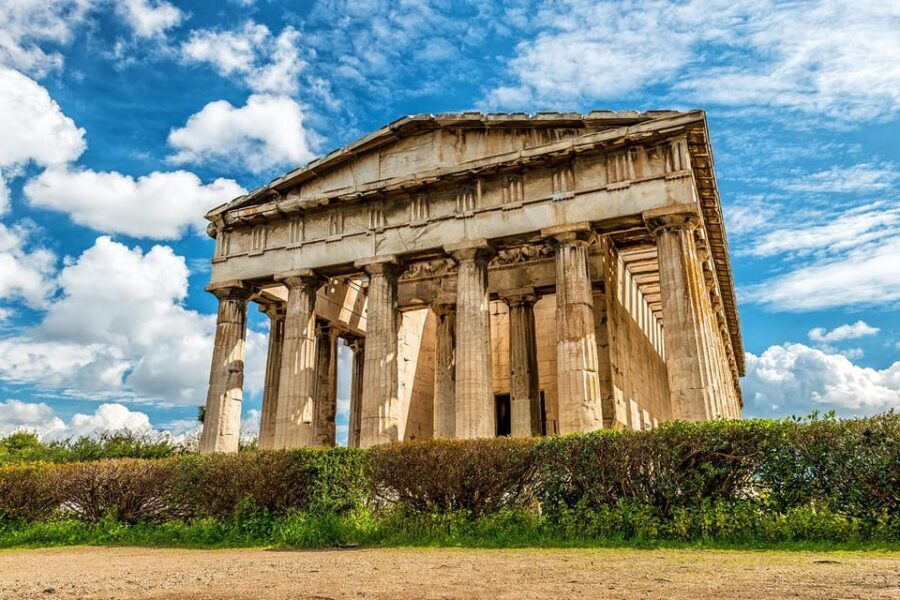
You’ll also spend time around the Temple of Hephaestus, which helps anchor the story in the physical geography of the area. By the end, the experience lands with the feeling that democracy was a living experiment, not a polished theory.
Democracy as an experiment: what to listen for as you walk
The tour’s central idea is that democracy was people-power, but the phrase is not simple. The Greek word demokratia literally means people-power, yet the big question is always who counted as “the people,” and what power they truly held. This tour pushes you to sit with that ambiguity rather than gloss over it.
You’ll learn how democracy was radical at the time—so radical that it was treated like an experiment. And you’ll follow the thread to why it failed. The point isn’t to turn this into a one-note warning about politics. It’s to show how systems can break when the rules, the incentives, and the social limits don’t hold together.
As you move between the Acropolis and the Agora, the story works like a timeline you can feel in your legs. The Acropolis gives the civic image. The Agora gives the civic machine. Democracy is then the link between how a city presented itself and how it actually organized authority.
Other Ancient and Roman Agora tours we've reviewed in Athens



Ancient vs modern democracy: practical takeaways you can carry home
One of the most useful parts is how the tour compares ancient and contemporary democracy. You’ll be asked to think about structural elements that still serve society successfully, and elements that often end up failing. That’s not meant to be a debate night; it’s meant to sharpen your thinking.
Here’s what you can do with that during the tour. When the guide explains a point from ancient Athens, try translating it into today’s terms: Who gets included? Who has influence? What happens when competing values collide? That habit turns a historic walk into something that feels relevant, even when the centuries are huge.
I also like that the tour ends with the idea that democracy keeps evolving. You’re not left with a museum-style verdict. You’re left with questions you can use to judge modern promises more clearly.
What the itinerary feels like on the ground (and where it can annoy you)
This is a guided walking format set for about 3 hours. It’s designed so you cover the Acropolis highlights and still have time to make the Agora meaningful. The order also helps: you build context up top, then test that context in the civic center.
The schedule includes guided time at major stops and keeps segments fairly tight. That’s good for attention and timing, especially if you’re juggling sightseeing across Athens. The downside is that you’ll have less “free roam” time than on an unguided visit.
If you’re the type who needs frequent breaks to recharge, look for pauses when your guide offers them. Guides on this tour are praised for being considerate and pacing the experience so you can breathe, not just walk.
Price and value: what you’re paying for at $69
At around $69 per person for a 3-hour small-group experience, you’re paying for several things at once. You’re getting a certified guide, a structured route through high-demand sites, and—depending on your option—entry tickets for the Acropolis and Ancient Agora.
That’s where the value can really show up. With entrance tickets included, you’re less likely to lose time figuring out lines or ticket logistics. If the tickets aren’t included in your chosen option, the tour can prepare entry tickets for you, which still saves energy.
Either way, the best value comes from using the guide’s framing. A self-guided visit can be impressive, but democracy is easier to grasp when someone connects the spaces to the political story. That’s the real reason this price feels fair.
How to get the most from the guide (even if you’re not a politics nerd)

You don’t need a background in Greek history. The tour is built around guiding you through meaning: what people-power implies, what it was meant to do, what it struggled to do, and why it ultimately failed.
During the walk, I’d suggest you keep a simple mental checklist:
- Where am I in the civic story: image or mechanics?
- Who is included in the people-power idea?
- What limits show up when the experiment grows?
This kind of thinking makes the comparison to modern democracy feel less abstract. It turns the ruins into a way to practice civic logic, not just sightseeing.
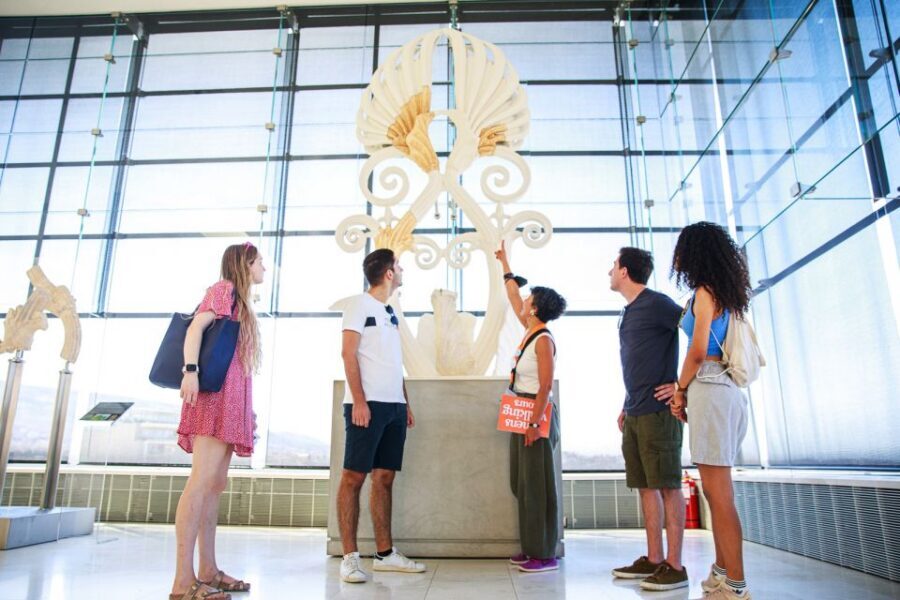
If you like asking questions, this format tends to reward that. Some of the guides associated with the tour are praised for strong pedagogy and for answering questions directly, so you can clarify anything that feels vague.
What to bring (so the walking doesn’t ruin the day)
Bring a passport or ID card. You’ll need it for age-based free entry eligibility and other identity checks.
Wear comfortable shoes and clothes you can move in. Stairs and uneven ground are part of the deal at both the Acropolis and the Agora area. Also note that backpacks aren’t allowed on the Acropolis portion, so plan to travel light.
The tour doesn’t suit everyone physically. It isn’t recommended for wheelchair users or people with visual impairments, and it’s not set up for children under 8.
Who should book this Athens democracy walk
This is a smart fit if you:
- Want the Acropolis and Agora, but with political context
- Enjoy guides who connect myth, architecture, and civic ideas
- Prefer a timed small-group format that moves at a thoughtful pace
It may not be your best choice if you need fully accessible routes or you dislike guided walking. The route is historic, but it’s still a lot of ground to cover.
Also, if you’re traveling with kids, stick to the recommended minimum age. Older kids often get more out of the story than you might expect, especially when the guide keeps explanations clear and allows time for photos.
Should you book this tour?
Book it if you want Athens to mean something beyond landmarks. The strongest reason is the focus on democracy as a real experiment—born with people-power, shaped by civic values, strained by limits, and compared to what we still wrestle with today.
Skip it if you want purely free-form sightseeing time, or if mobility/access needs make a guided walking route a struggle. For most visitors, though, $69 for a focused 3-hour route with a certified bilingual guide is a solid way to turn the Acropolis and Ancient Agora into a coherent story you can remember.
FAQ
How long is the Acropolis & Agora: The Rise & Fall of Democracy tour?
The tour lasts 3 hours.
What languages are the guides available in?
The live guide speaks French and English.
Is this a small group tour?
Yes, it’s a walking small group tour. A private group option is also available.
Where do we meet, and where does the tour end?
The meeting point can vary by the option booked, and one listed starting option is Dionysiou Areopagitou 45. The tour finishes at the Ancient Agora of Athens.
Are entry tickets included in the price?
Entry tickets for the Acropolis & Ancient Agora are included if you select the option that includes them. If not included, you can ask for help pre-purchasing entry tickets.
Are there free entry rules for young visitors?
Access is free for European Union citizens under 25 with a valid ID or passport. Access is also free for both EU and non-EU citizens under 18 with a valid ID or passport.
What should I bring for the tour?
Bring your passport or ID card, plus comfortable shoes and comfortable clothes.
What is not allowed during the tour?
Baby strollers, pets, and backpacks are not allowed. (Assistance dogs are allowed.)
Is the tour suitable for wheelchair users or visually impaired people?
No. It is not suitable for wheelchair users or visually impaired people.
What’s the cancellation and payment flexibility?
You can cancel up to 24 hours in advance for a full refund. There’s also a reserve now and pay later option.