REVIEW · ATHENS
Athens: Acropolis and Ancient Agora Guided Walking Tour
Book on GetYourGuide →Operated by Athens Walks Tour Company · Bookable on GetYourGuide
That first climb toward the Acropolis changes your whole day. You get a structured guided walk that mixes the big icons like the Parthenon with the everyday pulse of ancient Athens at the Ancient Agora. I love the wireless hearing devices (no craning your neck to catch every word), and I also like the less-crowded approach up the South Slopes for better views and easier photo moments. One thing to consider: you’re on your feet for a moderate amount of walking, so comfortable shoes and water really matter.
The tour is led in English by a licensed guide, and the quality shows in how organized the experience feels. In particular, guides such as Anastasia and Yanis/John are praised for being effective at explaining what you’re seeing and keeping the pace clear and friendly. If you’re sensitive to heat or sun, plan your day carefully because the route includes extended outdoor sections.
In This Review
- Key highlights you’ll care about
- Porinou 5 meeting point and how the tour actually starts
- A smarter warm-up: Dionysus and Herodes Atticus
- South Slopes of the Acropolis: the climb with the best payoff
- The gateway moment: Propylaea and the first big views
- Parthenon time: symbols, structure, and meaning
- Erechtheion and Athena Nike: smaller, weirder, unforgettable
- Acropolis break: use the pause strategically
- From the Acropolis to the Ancient Agora: public life, not just monuments
- Stoa of Attalos and the artifacts you can picture
- Temple of Hephaestus: one of the best preserved
- Pace, groups, and how to get the most out of 4 hours
- Price and value: what $102 includes (and why it matters)
- What to bring so your feet (and photos) stay happy
- Who this tour is perfect for
- Should you book the Athens Acropolis and Ancient Agora guided walking tour?
- FAQ
- How long is the Acropolis and Ancient Agora guided walking tour?
- Where does the tour start?
- Where does the tour end?
- What language is the guide?
- Are entry tickets included?
- Do you skip long lines?
- Are wireless hearing devices provided?
- What should I bring, and is flash photography allowed?
- Is the tour suitable for children or people with mobility issues?
- Can I cancel, and is pay later available?
Key highlights you’ll care about
- Skip-the-line entry at both the Acropolis and the Ancient Agora using a separate entrance
- Wireless hearing devices so you can hear the guide clearly while you walk
- South Slopes route that’s scenic and typically quieter, with good city views
- Icon stops with focus: Parthenon, Erechtheion (Caryatids), and Temple of Athena Nike
- Agora that feels real, with the Stoa of Attalos and Temple of Hephaestus as anchors
- Expert guidance in English that connects monuments to daily public life
Porinou 5 meeting point and how the tour actually starts
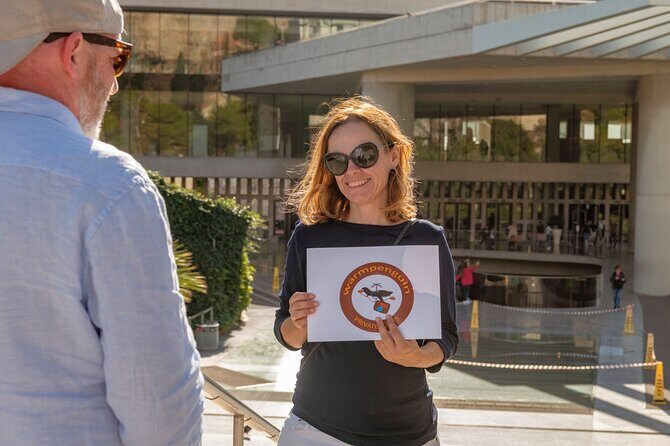
You begin at Porinou 5 (the Office of Athens Walks). It’s an easy launchpad because it’s only a short walk from the Acropolis metro area. Arrive about 15 minutes early so you can get oriented before the group moves out.
The opening is simple but useful: your licensed guide greets you and sets expectations for the route. Then the day starts with quick, high-impact sights near the Acropolis area—places that help you understand what you’re about to climb toward.
Other Acropolis and Parthenon tours we've reviewed in Athens
A smarter warm-up: Dionysus and Herodes Atticus
Before you reach the classic temple views, you pass through the theater world that shaped ancient Athens.
First comes the Theatre of Dionysus for about 15 minutes of guided time. This spot matters because it’s tied to the culture of performance and civic identity in Athens—so when you later see monumental buildings, you’ll have more than postcard context.
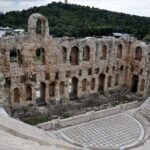
Then you walk (around 15 minutes) to the Odeon of Herodes Atticus area. This is one of those moments where Athens stops feeling like a single “archaeology site” and starts feeling like a working city from another era—layers of public life, built for gathering and watching.
South Slopes of the Acropolis: the climb with the best payoff
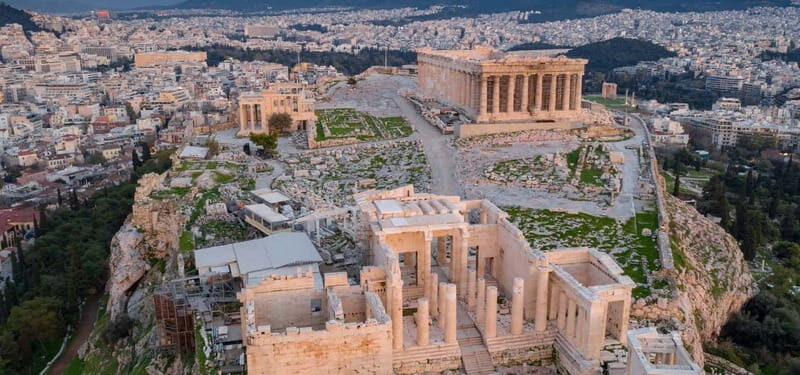
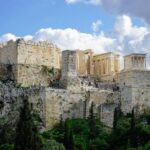
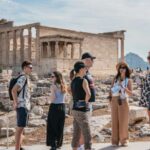
One of the tour’s strongest choices is the route up the South Slopes of the Acropolis. Instead of rushing straight into the busiest main approach, you enter by a more scenic path. That can mean less crowd pressure and a smoother build-up to the big reveal.
As you ascend, your guide points out things you might otherwise miss: plants growing among ancient stones and archaeological features attached to the slope. You’ll also hear about how people used these spaces for ancient rituals and activities, not just as a dramatic backdrop.
The views are practical here, not just scenic. You get multiple chances to look out over Athens as you climb, which helps your brain “map” the city while you learn.
The gateway moment: Propylaea and the first big views
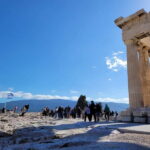
Next you get the Propylaea of Athens for a guided segment (about 10 minutes). This acts like a visual preface to the monuments beyond. Even if you’ve seen the Acropolis in photos, standing here makes it clearer how the architecture is designed to guide your movement and attention.
If you want a quick win for your photos: pause when your guide gestures toward sightlines. This is the part where those stone frames make sense, and your camera captures more than just tall buildings.
Parthenon time: symbols, structure, and meaning
The tour focuses on the main icons, but what makes it valuable is how the guide ties each structure to the ideas Athens was projecting.
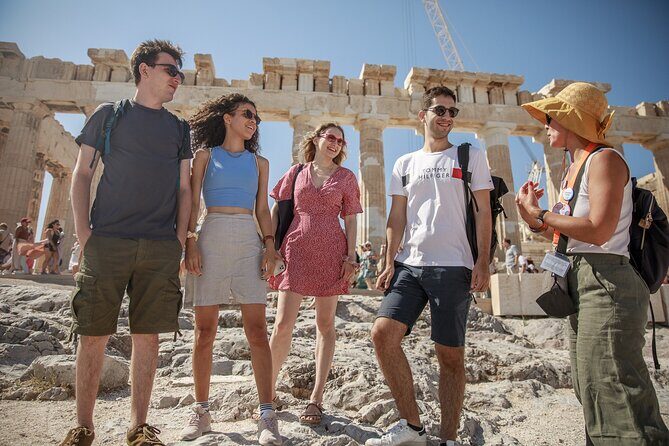
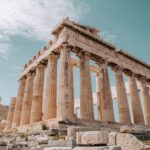
You spend about 30 minutes guided through the Parthenon. You’ll hear about its construction and why it became a symbol of Greek democracy and culture. That matters because the Parthenon isn’t only “a temple.” It’s a statement in stone about identity, civic pride, and what Athenians wanted the world to remember.
Look for the details your guide mentions—this is one of those buildings where tiny design choices can change your understanding fast. With the wireless audio, you can keep your attention alternating between the guide and the monument without losing the thread.
Other Acropolis walking tours we've reviewed in Athens



Erechtheion and Athena Nike: smaller, weirder, unforgettable
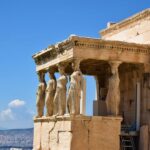
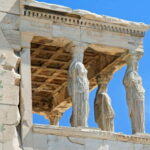
After the Parthenon, you visit the Erechtheion (about 15 minutes guided). This is the temple known for its distinctive architecture and the famous Caryatids. These are the sculpted female figures that people photograph constantly, but on the ground you get a better sense of how the figures “carry” the space and shape your perspective.
Then you stop at the Temple of Athena Nike for a short walk and guided explanation (about 5 minutes of walking before it, plus time on-site). It’s smaller than the Parthenon, but it’s richly detailed. Your guide helps you see why this temple gets attention: it’s tied to the goddess of victory, so the theme of Athena isn’t just religious—it’s political and symbolic, too.
Acropolis break: use the pause strategically
You get a break of about 15 minutes back on the Acropolis area. This isn’t just time to sit. Use it to reset your legs, grab water, and decide what you want to photograph again before you head down.
If you’re heat-sensitive, treat this break as your “cool-down window.” Drink water slowly, shade if you can find it, and check your camera settings so you don’t lose time later.
From the Acropolis to the Ancient Agora: public life, not just monuments
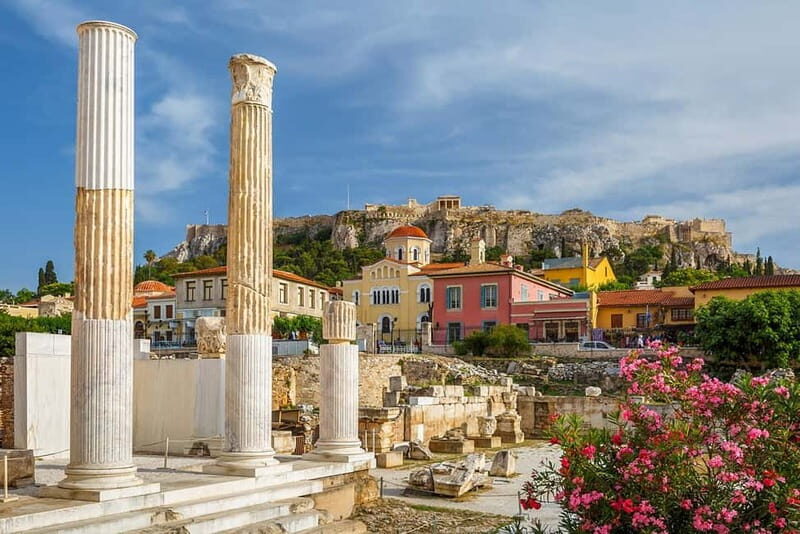
Then the tone changes. The Ancient Agora is where ancient Athens felt practical—political decisions, social meetings, and commercial activity happening in shared space.
You get about 30 minutes guided through the Agora ruins. The guide’s job is to connect what you see on the ground to how people actually lived. That turns the stones into something more than a highlight reel.
Stoa of Attalos and the artifacts you can picture
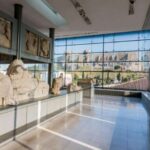
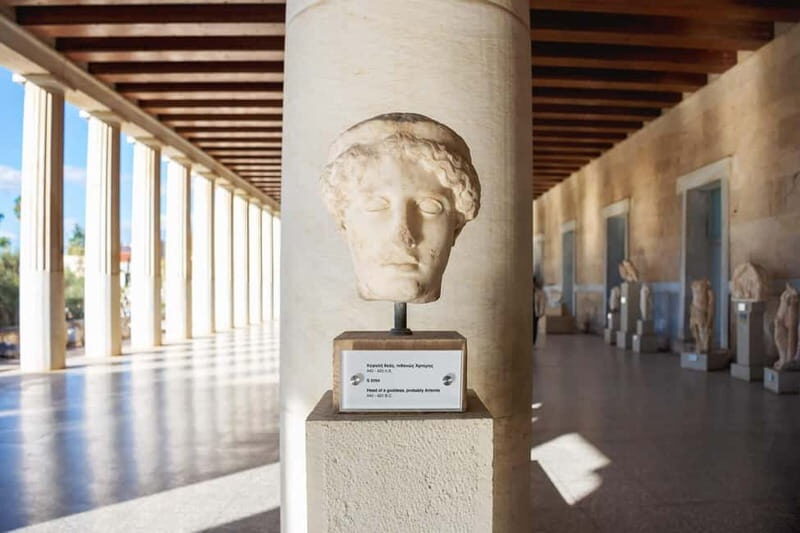
One stop you’ll hit is the Stoa of Attalos, which is well preserved and now houses a museum with artifacts from the site. Even if you don’t go deep into the museum portion, your guide uses it to explain what this kind of covered public building meant: it’s where people could gather regardless of weather, and where city life moved at a steady pace.
Temple of Hephaestus: one of the best preserved
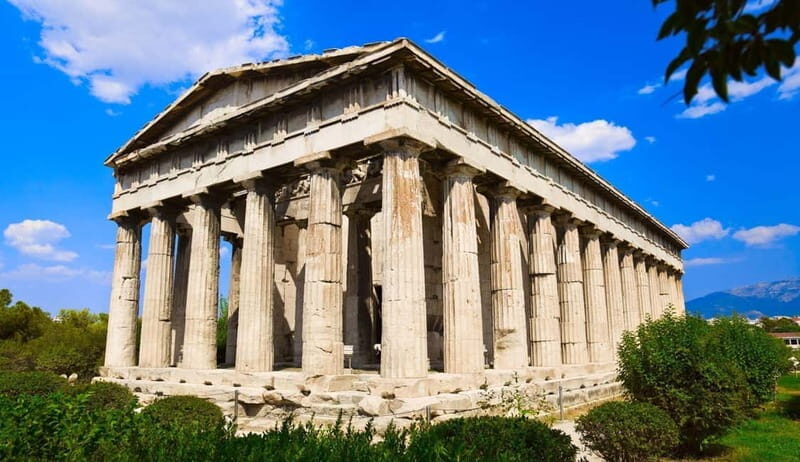
You also see the Temple of Hephaestus, reached via a walk of about 10 minutes from the main Agora area. It’s widely valued because it’s one of the best-preserved ancient temples. Your guide connects it to Hephaestus, the god associated with craftsmanship—an extra layer that helps you read the Agora as a place where work, skill, and civic identity were connected.
As you move around, your guide points out monuments and statue areas that once filled this space. That’s how you start to imagine what the Agora looked like when it was “alive,” not just when it’s silent rubble.
Pace, groups, and how to get the most out of 4 hours
This tour runs about 4 hours. That’s not a full-day marathon, but it’s enough time to cover both the Acropolis icons and the Agora’s public-life core.
The pacing is built around short guided segments and then walking links between key points. It helps you avoid the common problem on big site tours: you spend too much time waiting for the next stop, or you miss context because the guide is talking while you’re distracted by crowds.
The wireless audio is a big deal for this style of walking tour. It means you can stay present, even when you’re standing in open areas where sound can scatter.
Price and value: what $102 includes (and why it matters)
At $102 per person, you’re paying for more than a checklist. You get a licensed English guide, wireless hearing devices, guided time at the key monuments, and—importantly—entry tickets included for both the Acropolis and the Ancient Agora.
You also get skip-the-line access at both sites via a separate entrance. That’s often where walking tours save you the most time and frustration. If you hate wasting vacation hours in queues, this is a practical value driver.
What to bring so your feet (and photos) stay happy
You’ll want to show up ready for a walking day. Bring:
- Comfortable shoes
- Hat
- Camera
- Sunscreen
- Water (a water bottle is specifically recommended)
Two small reminders that matter:
- Flash photography isn’t allowed.
- The tour isn’t suitable for everyone: it’s not for wheelchair users and not for people with mobility impairments, and it’s not suitable for children under 6.
Who this tour is perfect for
This is a strong fit if you:
- want a guided walkthrough that explains what you’re seeing, not just where to stand for pictures
- like the contrast of big ceremonial sites (Acropolis) and everyday civic space (Agora)
- appreciate a clear route and the chance to use break time and views well
It’s also a good choice if you’re short on time in Athens but still want the two major ancient anchors—Acropolis and Agora—in one package.
Should you book the Athens Acropolis and Ancient Agora guided walking tour?
I’d book it if you want the highest “learning per hour” payoff. The combination of licensed guidance, wireless audio, and skip-the-line entry makes the whole experience feel efficient without rushing the explanations.
Skip it only if walking on uneven ancient ground would be a problem for you, or if you prefer a totally independent pace with no scheduled stops. Otherwise, this tour is a smart way to connect the Parthenon and Athena to the public life you’d otherwise struggle to visualize on your own.
FAQ
How long is the Acropolis and Ancient Agora guided walking tour?
The tour lasts about 4 hours.
Where does the tour start?
The meeting point is at the Office of Athens Walks on Porinou 5.
Where does the tour end?
The tour ends back at the meeting point.
What language is the guide?
The live tour guide speaks English.
Are entry tickets included?
Yes. Entry tickets for both the Acropolis and the Ancient Agora are included.
Do you skip long lines?
Yes. You get skip-the-line access at both the Acropolis and the Agora through a separate entrance.
Are wireless hearing devices provided?
Yes. Wireless hearing devices are included so you can hear your guide clearly.
What should I bring, and is flash photography allowed?
Bring comfortable walking shoes, a hat, sunscreen, a camera, and water. Flash photography is not allowed.
Is the tour suitable for children or people with mobility issues?
It’s not suitable for children under 6 years old. It is also not suitable for people with mobility impairments or for wheelchair users.
Can I cancel, and is pay later available?
Yes. There is free cancellation up to 24 hours in advance for a full refund, and you can reserve and pay later.