REVIEW · ATHENS
Acropolis Of Athens & The Acropolis Museum Private Guided Tour
Book on Viator →Operated by CRISPY LOCAL MONOPROSOΡΙ Ι.Κ.Ε. · Bookable on Viator
Ancient Athens becomes readable here. This private guided half-day pairs the UNESCO Acropolis with the Acropolis Museum, so you can connect the stories you hear to what you actually see. It’s designed to feel unhurried, even when the site is packed.
I particularly like how the guide work handles the real-world problem: crowds and big stone steps. Guides like Maria, Irene, and Anda are praised for keeping people moving, pointing out the right details, and telling the mythology in a way that stays easy to follow. I also love the Museum’s setup: original sculptures and temple masterpieces shown with natural light, plus excavations you can see through the glass floors and walkways.
One possible drawback is budget creep from tickets. Admission for the Acropolis (20 Euro per person) and the Acropolis Museum (15 Euro per person) is extra, and you’ll want to make sure your entry times match what you book—especially if you bought timed tickets in advance.
In This Review
- Key highlights worth your time
- Start at the Sacred Rock: meeting your guide and setting expectations
- From Propylaea to Athena Nike: the Acropolis stop by stop
- Propylaea: the formal gateway
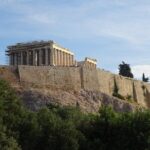
- Parthenon: the headline, explained
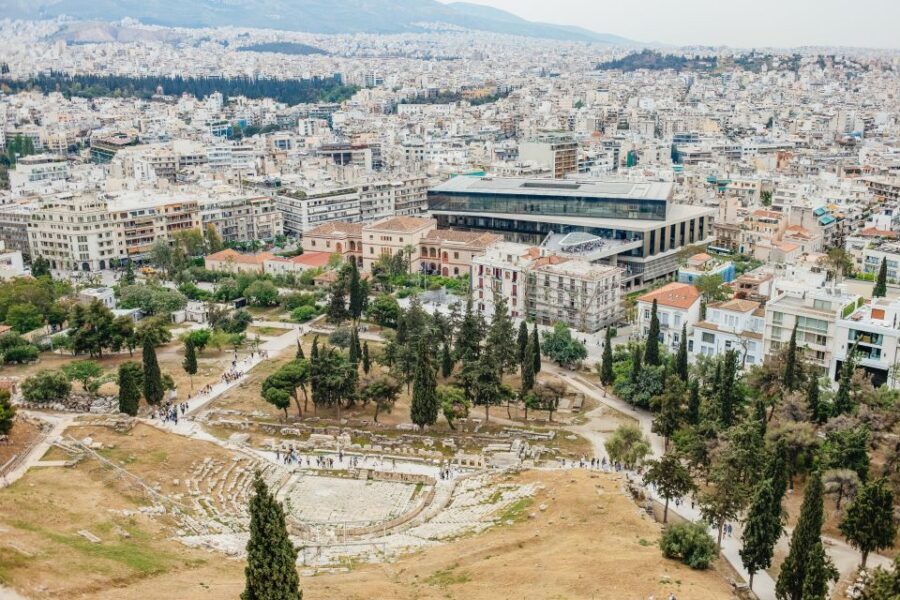
- Dionysus Theater: where drama met power
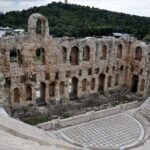
- Herod Atticus Odeon: a later layer with big presence
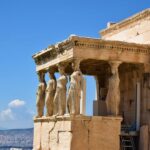
- Erechtheion: details, myths, and architectural personality
- Athena Nike: finishing with a signature shrine
- The crowd reality: how private pacing changes the Acropolis
- Acropolis Museum: natural light, glass floors, and the payoff
- Price and tickets: what you’re really paying for at $240.82
- Timing, meeting point, and how to avoid entry-time headaches
- Weather, steps, and comfort: how to make this day easier
- Who this tour fits best
- Should you book the Acropolis & Acropolis Museum private guided tour?
- FAQ
- What is the duration of the Acropolis Of Athens & The Acropolis Museum Private Guided Tour?
- Is this tour private?
- Is the tour offered in English?
- Are entrance tickets included in the price?
- What time does the tour start, and where do we meet?
- Is there a mobile ticket?
- What happens if the weather is bad?
Key highlights worth your time
- Meet at the Acropolis base area at Dionysos Zonar’s Rovertou Galli 43, Athina 117 42, Greece
- A leisurely 4 hours split between the Acropolis and the Acropolis Museum (about 2 hours each)
- Stop-by-stop guided storytelling at Propylaea, Parthenon, Erechtheion, Athena Nike, and more
- The Acropolis Museum’s design does the heavy lifting with natural light and glass-floor archaeology views
- Private pacing that reduces stress when stairs, crowds, and big sun hit at once
- Entrance tickets are on you (about 35 Euro total per person to plan for)
Start at the Sacred Rock: meeting your guide and setting expectations
This tour is built for people who want the Acropolis without the usual chaos. You meet your licensed guide at the start point—Dionysos Zonar’s Rovertou Galli 43—close enough to public transportation that you’re not stuck figuring out a maze. The tour then focuses on one big goal: help you understand what you’re seeing while you’re still at the site.
A private setup matters here because the Acropolis is instantly recognizable but not always easy to read. You can see columns and temples, sure. The hard part is knowing which part matters, what era it belongs to, and how the mythology connects to the stone. With a guide, you get that thread early and keep it.
The timing is also realistic. The whole experience runs around 4 hours, and it stays leisurely rather than trying to cram everything into a rush. That doesn’t sound exciting on paper, but in practice it means you can stop when questions come up, take a breath during stairs, and actually enjoy the views down to modern Athens.
Other Acropolis and Parthenon tours we've reviewed in Athens
From Propylaea to Athena Nike: the Acropolis stop by stop
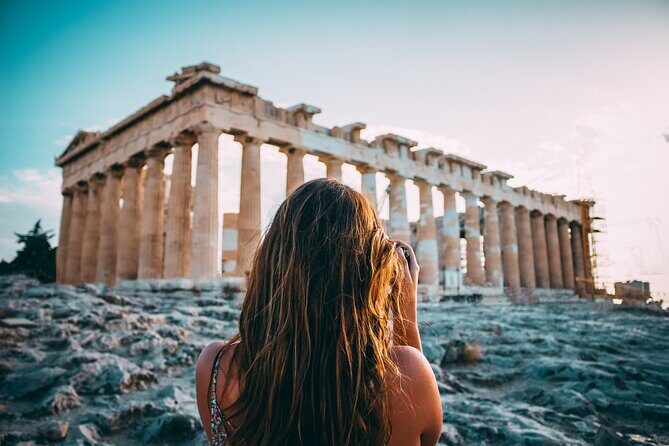
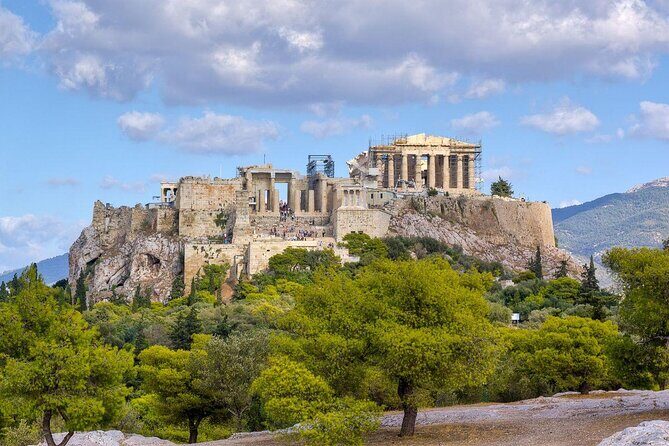
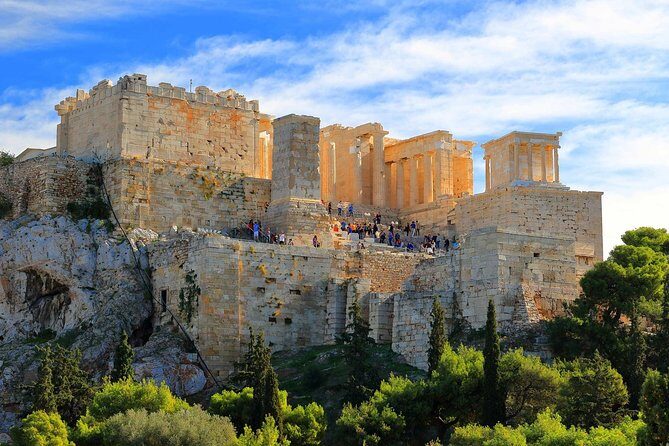
The Acropolis itself is a UNESCO World Heritage site often called the sacred rock of Athens. It rises dramatically above the city, and the ruins date back as early as 510 BC. Your guide doesn’t treat it like a single monument. Instead, you move through key points so the story builds like scenes in a play.
Propylaea: the formal gateway
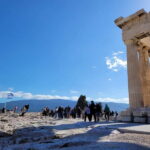
You start with Propylaea, the monumental gateway into the Acropolis complex. This is a great first stop because it frames how the site was meant to feel—controlled, ceremonial, and intentionally impressive. Even if you don’t know Greek mythology yet, you’ll understand the purpose: this wasn’t casual architecture. It was designed to direct movement and attention.
What to watch for: think of Propylaea as the opening paragraph. Your guide’s job is to explain why the entrance is important before you hit the most famous parts.
Parthenon: the headline, explained
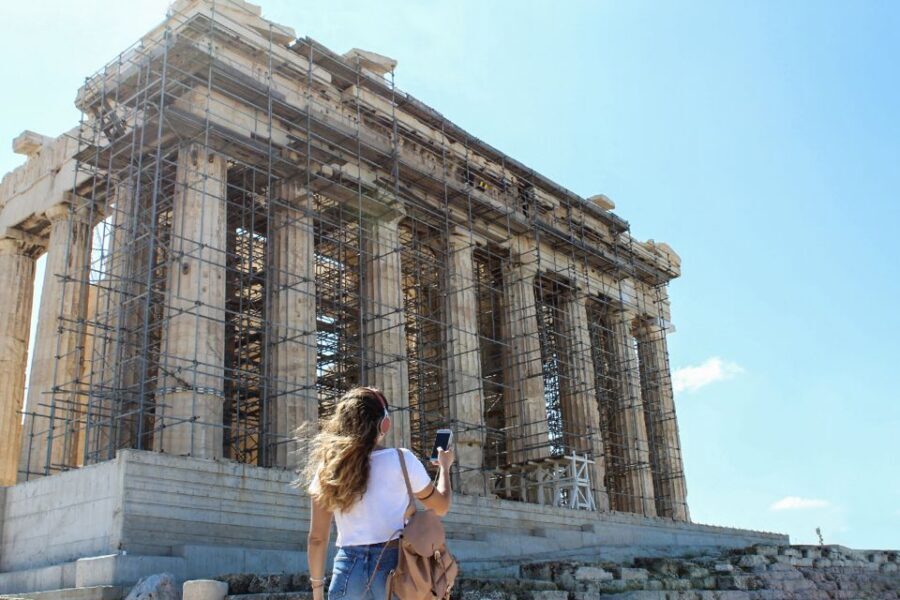
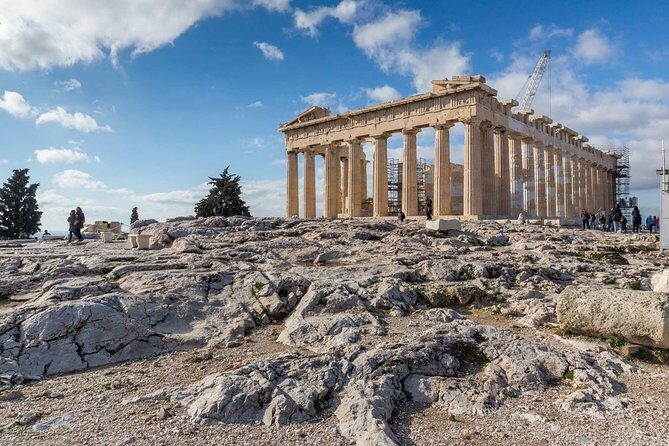
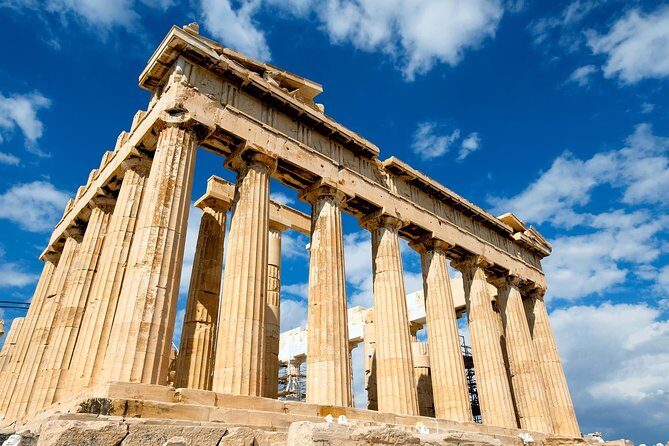
Next comes the Parthenon, the star of the show. You’ll hear what it was for, why it’s so central to the classical world, and how the sculptures and design fit the bigger religious and cultural story. In a crowded setting, the Parthenon can turn into a quick photo and a lot of confusion. With a guide, it becomes clearer why certain parts are the focus—what’s meaningful, what’s symbolic, and what the building is trying to communicate.
The practical advantage: if you’re trying to understand without reading a wall of information apps and signs, a guide cuts through the noise.
Dionysus Theater: where drama met power
Then the tour looks at the Dionysus Theater. This is a smart shift because it reminds you the Acropolis wasn’t just temples and statues. It was also a stage for public life. Greek drama wasn’t entertainment in the modern sense; it connected performance, civic identity, and religious festivals.
If you care about how ancient societies worked, this stop adds context fast. The structure also helps you imagine sightlines and the scale of gatherings, even though you’re standing among ruins.
Other private Acropolis tours we've reviewed in Athens



Herod Atticus Odeon: a later layer with big presence
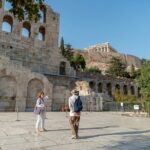
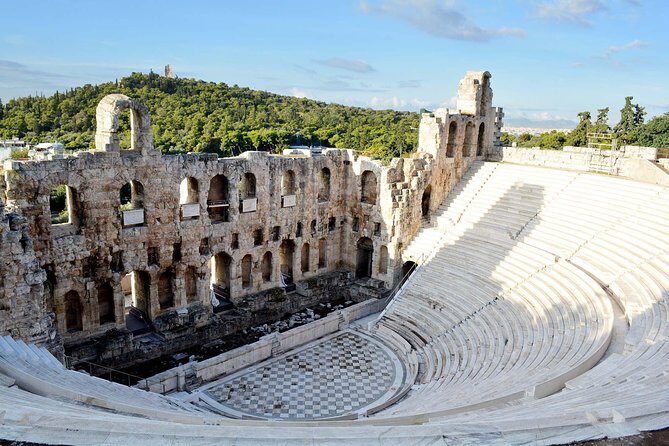
You also visit Herod Atticus Odeon. Your guide can connect it to the idea that Athens kept using and building on the Acropolis area across centuries. It’s not just a frozen moment. The site evolves in use and meaning, and this stop highlights that continuity.
Erechtheion: details, myths, and architectural personality
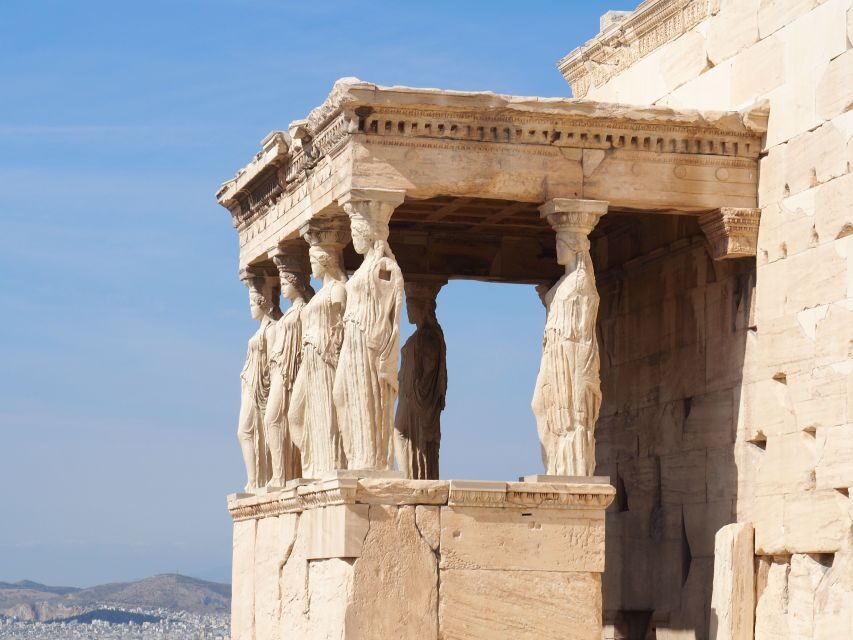
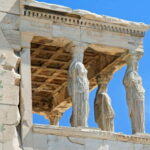
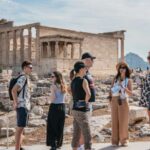
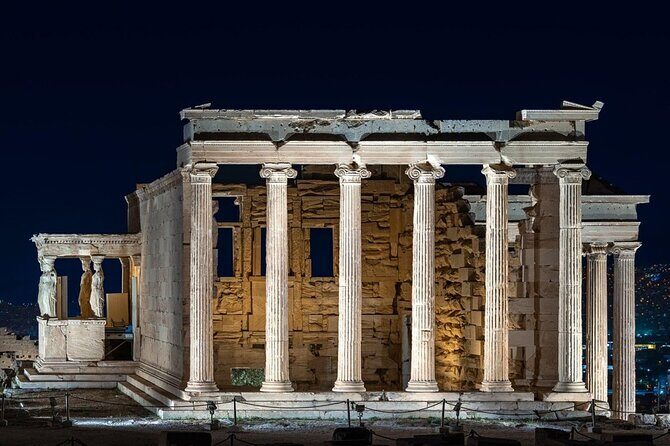
The Erechtheion is one of those places where you suddenly notice how much character a building can have. Your guide’s myth-and-meaning explanation is the point here. This is where the tour becomes more than dates and names and turns into why people cared enough to build and honor specific divine associations.
Athena Nike: finishing with a signature shrine
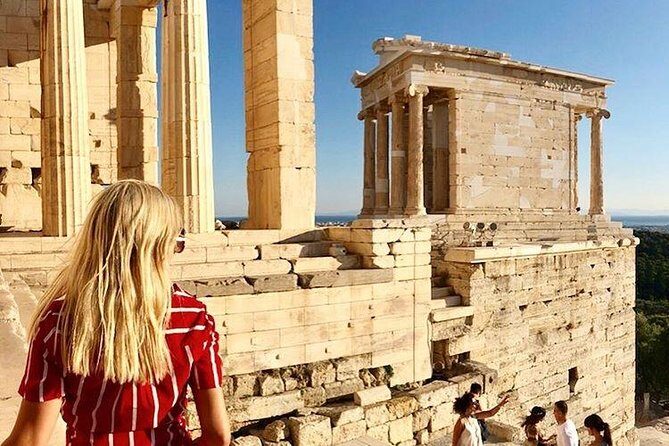
Finally, you reach Athena Nike. This stop gives you a clearer sense of how worship was tied to civic identity and how architecture served as a visible statement of values. If the Parthenon feels like the grand statement, Athena Nike can feel like a focused message—shorter scale, sharp symbolism, and a strong visual identity.
Tip for you: at the end of the Acropolis circuit, take one slower moment. By then, you’ve collected story pieces. A few minutes just watching the view and thinking back on what each stop meant can make the whole thing stick.
The crowd reality: how private pacing changes the Acropolis
The Acropolis can be crowded, full stop. This tour’s value is that you’re not doing it alone with a guidebook while strangers shoulder past you. In the experience of previous groups, guides such as Maria have navigated through crowds smoothly and kept attention on the right details instead of getting lost in the mass of people.
You’ll also appreciate the pacing when weather turns. One guide (Anda) handled a tough day with rain carefully, prioritizing safety when the site restricted entry at certain points. The key lesson for you: if conditions change, a competent guide can shift focus and still protect the overall experience—often by maximizing time at the Acropolis Museum when the outdoor portions become unpredictable.
That flexibility is hard to get on your own.
Acropolis Museum: natural light, glass floors, and the payoff
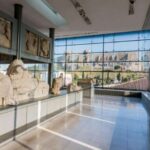
After 2 hours up on the Acropolis, you move into the Acropolis Museum for another roughly 2 hours. This is where the tour’s big payoff happens. The Museum isn’t just a place to stand in front of objects; it’s built to help you connect the ruins you saw outside with the art and material culture preserved inside.
Here’s what makes it special, and what you should pay attention to:
- Natural light is used to display original surviving masterpieces from the temples of the Acropolis. That matters because lighting changes how you understand sculpture and architectural fragments. It’s easier to see intention when the Museum uses light as part of the display.
- Excavations under glass floors and walkways let you see archaeological layers as you move through. Instead of treating the past like a set of isolated artifacts, the Museum shows how the site was built, used, and built again.
The building itself also has credibility. It was designed by Swiss architect Bernard Tschumi and Greek architect Michalis Photiadis, and the layout tends to support a logical flow—like the building is helping you organize your thoughts.
Practical “make it worth it” advice: while you’re inside, use the Acropolis stops as your checklist. When you see temple-related pieces, your guide can connect them back to Parthenon and the other key areas you visited earlier. That is how this tour moves from sightseeing to understanding.
And yes, this is one of the best places to cool down for a bit. You’re still learning, but you’re not fighting the sun and wind the same way you do outside.
Price and tickets: what you’re really paying for at $240.82
At $240.82 per person, this is not a budget add-on. So the real question is: what part of your money buys value?
You’re paying for:
- A private licensed tour guide
- A two-part experience (Acropolis plus Museum) with time to connect the dots
- A slower pace that helps you process what you see
- Stops guided by an expert at specific points like Propylaea, Parthenon, Dionysus Theater, Herod Atticus Odeon, Erechtheion, and Athena Nike
What you’re not paying for is crucial:
- Acropolis entrance tickets: 20 Euro per person extra
- Acropolis Museum tickets: 15 Euro per person extra
So plan on about 35 Euro on top of the tour price per person for admission.
Here’s how I think about it for you: if you’re the type who likes ruins but gets frustrated without context, a guided private format can be a smart trade. You’re paying to save time, reduce confusion, and avoid the “we saw it, now what?” feeling.
But if you’re the type who reads everything slowly, and you’re comfortable navigating alone, you might feel the extra cost less justified. Still, the Acropolis is hard to do well without a guide. The biggest value usually shows up when you want meaning, not just photos.
Group discounts are listed as a feature. Since this is still a private tour (only your group participates), a discount can make the price feel much more reasonable if you’re traveling with family or friends.
Timing, meeting point, and how to avoid entry-time headaches
The tour starts at 9:00 am. That’s a good time window if you want to experience the site before the day fully settles into its busiest rhythm. You’re also working with timed entry realities for famous sites. Since entry tickets are not included, you’ll likely handle them separately.
The most practical tip: when you book your Acropolis and Museum tickets, confirm the entry time with your guide ahead of start. One experience described a mismatch between the intended 9:00 tour start and timed tickets that were set earlier (8:40). That kind of snag can steal energy from your first hour, so fixing it early is worth it.
Also, if you’re using the mobile ticket option, keep it ready on your phone. This tour supports a mobile ticket feature, and having it visible reduces stress at the entrance.
Weather, steps, and comfort: how to make this day easier

This experience requires good weather. If poor weather forces changes, it can be offered on a different date or refunded. That part you can’t control—what you can control is how prepared you are to handle outdoor conditions.
On the Acropolis, expect uneven ground and lots of stairs. If you’re carrying any mobility concerns, plan for slower movement. One group included an older adult recovering from hip and knee surgery, and the guide was careful and patient while managing the uphill portion in rain.
So pack smart:
- Comfortable shoes with solid grip
- A layer that handles wind and sudden rain
- Water and a light snack, if you’re able to carry it
- A plan to go slowly without feeling rushed
If the weather is rough and site access changes while you’re up there, a strong guide is going to keep safety first and adjust priorities—often bringing more focus to the Museum portion.
Who this tour fits best
This is a great match if:
- You want a private guide instead of a large group drill
- You care about the why behind the ruins, not just what they look like
- You’re visiting for the first time and want help connecting myth, architecture, and sculpture
- You prefer a calm pace with time for questions rather than a checkpoint tour
It can also work well if you’re traveling with mixed ages or you have someone who needs extra patience on stairs, since guides have shown flexibility in real conditions.
You might skip it if:
- You’re mainly happy with self-guided wandering and can handle ticket logistics without stress
- You’re traveling extremely budget-conscious and don’t value expert interpretation
Should you book the Acropolis & Acropolis Museum private guided tour?
If your goal is to leave Athens with understanding—not just images—this is a strong buy. The price is high enough that you should go in with intention, but the structure makes sense: guided Acropolis storytelling for context, then a Museum designed to match those ruins with surviving masterpieces under natural light.
Book it if you want:
- A calm, private pace
- Expert explanation at the exact places where details matter
- The Museum experience that turns ruins into something you can actually recognize
Before you commit, do one homework step: plan for the extra 20 Euro + 15 Euro entrance cost per person, and line up timed entries cleanly with your guide so your morning starts smoothly.
If you like, tell me your travel month and group size, and I’ll help you sanity-check whether 9:00 am fits your pace and how to budget the total.
FAQ
What is the duration of the Acropolis Of Athens & The Acropolis Museum Private Guided Tour?
The tour runs for about 4 hours, with roughly 2 hours at the Acropolis and 2 hours at the Acropolis Museum.
Is this tour private?
Yes. It’s a private tour/activity, and only your group will participate.
Is the tour offered in English?
Yes, the tour is offered in English.
Are entrance tickets included in the price?
No. Entrance tickets are not included. The Acropolis tickets are listed as 20 Euro per person extra, and the Acropolis Museum tickets are 15 Euro per person extra.
What time does the tour start, and where do we meet?
The start time is 9:00 am. The meeting point is Dionysos Zonar’s Rovertou Galli 43, Athina 117 42, Greece.
Is there a mobile ticket?
Yes. The experience includes a mobile ticket.
What happens if the weather is bad?
This experience requires good weather. If it’s canceled due to poor weather, you’ll be offered a different date or a full refund.