REVIEW · ATHENS
Athens: Half-Day Sightseeing Tour with Acropolis Museum
Book on GetYourGuide →Operated by Let's Book Travel · Bookable on GetYourGuide
Acropolis morning is a game changer. This half-day Athens tour packs the big hitters—the UNESCO-listed Acropolis and the Acropolis Museum—into a tight, guided route that’s built for your time. I love how the pacing keeps you moving through the famous sights without you needing to figure out logistics on your own. One consideration: it’s not a slow, wander-at-your-own-pace kind of outing.
What I especially like is the “story order” you get. You don’t just stare at ruins; you pass key monuments around the city, then walk the Acropolis in a logical sequence from Propylaea to the Parthenon. The museum stop at the end helps you connect what you saw outside with the classical art inside. If you’re sensitive to heat or crowds, plan for sun + stairs, because this is a real sightseeing day even though it’s only about 5 hours.
In This Review
- Key highlights at a glance
- Hotel pickup makes or breaks the day
- Panathenaic Stadium: where modern Olympics began
- Prime Minister’s residence, Royal Palace guards, and the Parliament area
- Syntagma Square and the Temple-of-Continuity effect
- Hadrian’s Arch and the Temple of Olympian Zeus stop
- UNESCO Acropolis: the guided walk you actually want
- Herodion and Dionysus Theater on the way to the museum
- Acropolis Museum: where the sculptures click
- What to wear and what to carry (so you don’t suffer)
- Price and time value: is $143 fair for what you get?
- Which type of visitor will enjoy this most?
- Should you book the Acropolis Museum half-day tour?
- FAQ
- How long is the Athens Acropolis Museum tour?
- What major sights are included on the tour?
- Is hotel pickup and drop-off included?
- Does the tour include skip-the-line entry?
- What languages is the live guide available in?
- Is the tour suitable for people with mobility impairments?
Key highlights at a glance
- Skip-the-ticket-line entry helps you spend more time at the Acropolis and less time waiting
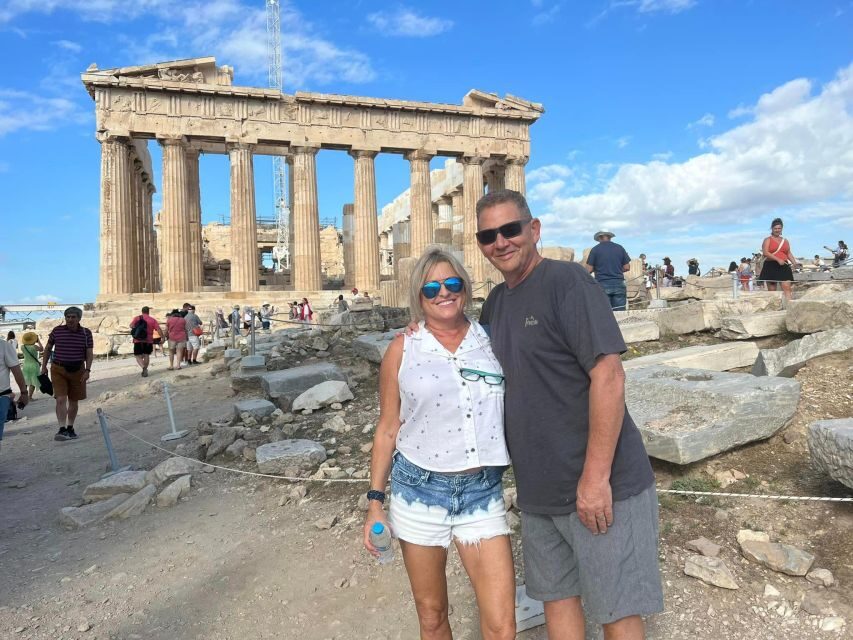
- A guided route on the Acropolis from Propylaea to Temple of Athena Nike, Erechtheion, and the Parthenon
- Acropolis Museum as the finish so the sculptures and architecture make more sense
- Multiple classic photo stops including Panathenaic Stadium, Hadrian’s Arch, and Syntagma
- Hotel pickup and drop-off from select hotels, which is a big quality-of-life win in Athens
Hotel pickup makes or breaks the day
In Athens, timing is everything. What I like about this tour is that you get hotel pickup at select locations and a convenient return drop-off, so you’re not juggling taxis or figuring out where the meeting point is while you’re still waking up. The pickup instruction is simple: you wait at the main entrance of your hotel, and you should be there about 10 minutes early because the driver won’t wait more than 5 minutes after the scheduled pickup time.
You’ll board a comfortable bus and start with viewpoints and monuments in central Athens before going to the Acropolis site. That matters because the city’s highlights are spread out, and a half-day tour has to be efficient. Even if you’ve seen photos of these landmarks before, the combination of guided context plus quick stops usually gets you better orientation than trying to do it solo in one afternoon.
Other Acropolis and Parthenon tours we've reviewed in Athens
Panathenaic Stadium: where modern Olympics began

Your first meaningful stop is at Panathenaic Stadium, with a short window for photos and a quick reset before the day gets more intense. This venue is famous for a specific reason: it hosted the first modern Olympic Games in 1896. Even if you’re not a sports history fan, this stop gives you a handy bridge between what Athens inherited from antiquity and what it created in modern times.
The practical value here is timing. A quick stadium stop can help you take photos, get water, and make sure you’re comfortable footwear-wise before you tackle the Acropolis. If you have limited energy, this is also the kind of stop where you can simply enjoy the atmosphere and not feel pressured to “see everything.”
Prime Minister’s residence, Royal Palace guards, and the Parliament area

Next, you get scenic viewing from the bus while the guide talks through major political landmarks. You’ll drive past the Prime Minister’s residence, also called the Royal Palace, and you’ll see the Euzones guards in colorful uniforms. It’s one of those Athens details that’s easy to miss if you’re only looking at the big ancient ruins.
From there, the route sets you up for a very Athens combination: government buildings side-by-side with ancient references. You’ll view the Parliament building and the memorial to the Unknown Soldier, then pass through areas like the Academy of Athens, the University, and the National Library. These are not “ruins” sights, but they give you context for how Athens presents itself today—classical roots, formal civic identity, and lots of stone.
Syntagma Square and the Temple-of-Continuity effect
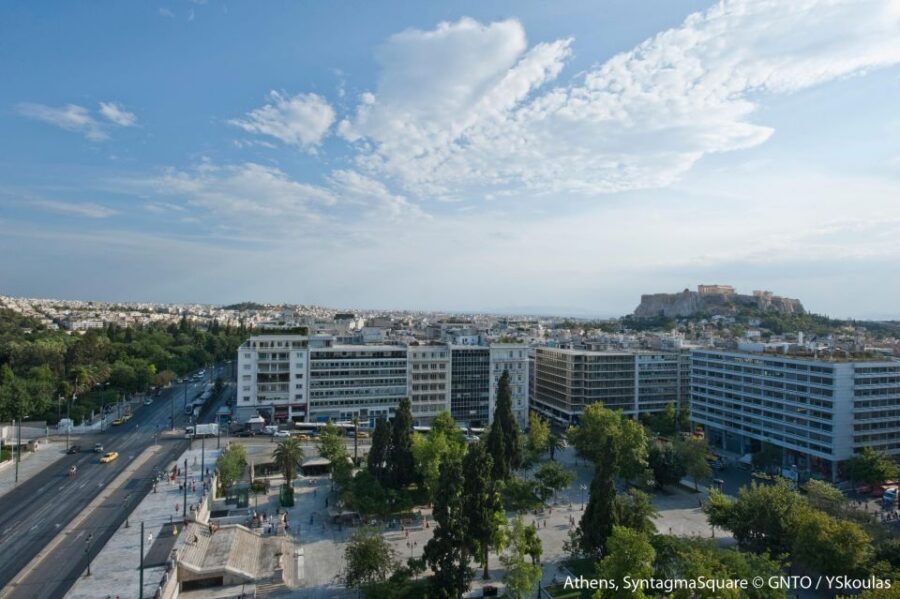
One of the stop names you’ll hear is Constitution Square, known as Syntagma. For me, this is where the tour starts to feel like more than a museum checklist. Syntagma is a key central reference point, and it helps you understand why so many visitors describe Athens as both ancient and modern at the same time.
The bus route is basically a visual syllabus: squares, institutions, monuments, and then the shift toward the Acropolis area. If you’ve ever stood in Athens and felt like everything was “important but disconnected,” this kind of routed overview gives you the missing connective tissue.
Hadrian’s Arch and the Temple of Olympian Zeus stop
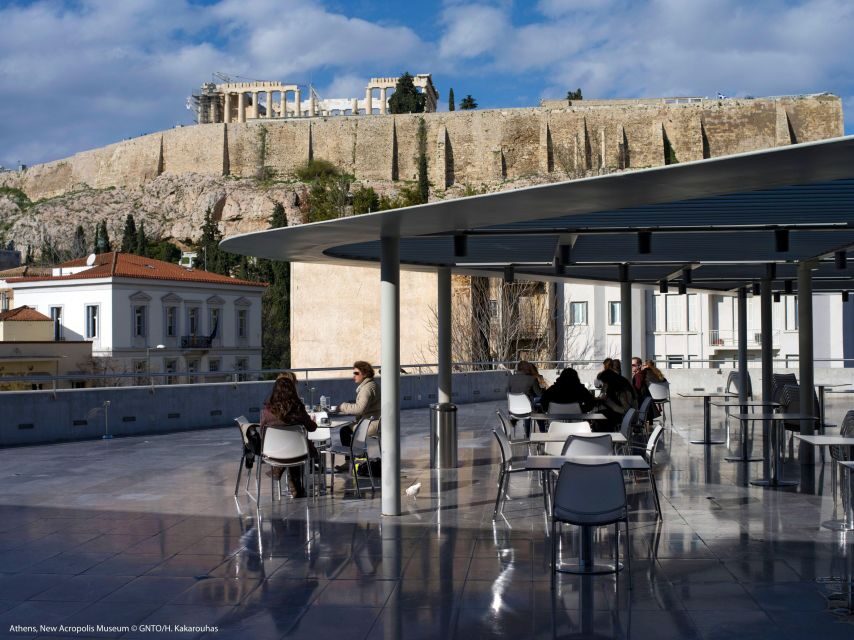
You’ll also see Temple of Olympian Zeus—specifically the imposing columns—and the monumental gateway of Hadrian’s Arch. This is a good stop for two reasons.
First, it’s a clear photo moment. Even in a short stop, columns and triumphal arches tend to photograph well because you can frame them from different angles. Second, it adds a layer beyond the Acropolis. People often focus only on the Parthenon era, but Athens has strong imperial-era landmarks too, and Hadrian’s Arch is a visible reminder of that.
If you like architecture details, this is worth paying attention to. Even without going deep on measurements, you’ll likely notice how these structures communicate power and ceremony. That contrast becomes more meaningful once you’re standing on the Acropolis later.
Other Acropolis Museum tours we've reviewed in Athens



UNESCO Acropolis: the guided walk you actually want
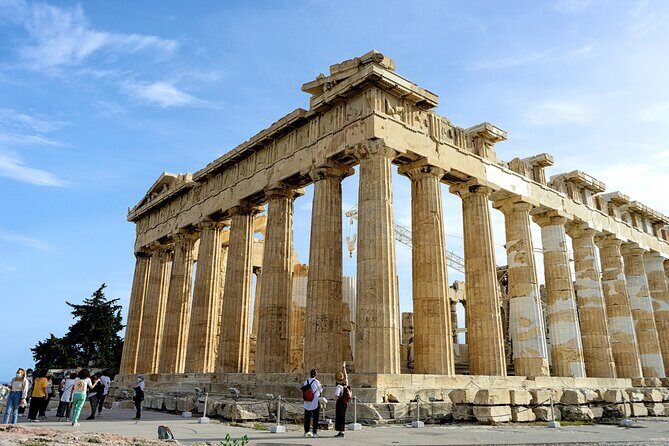
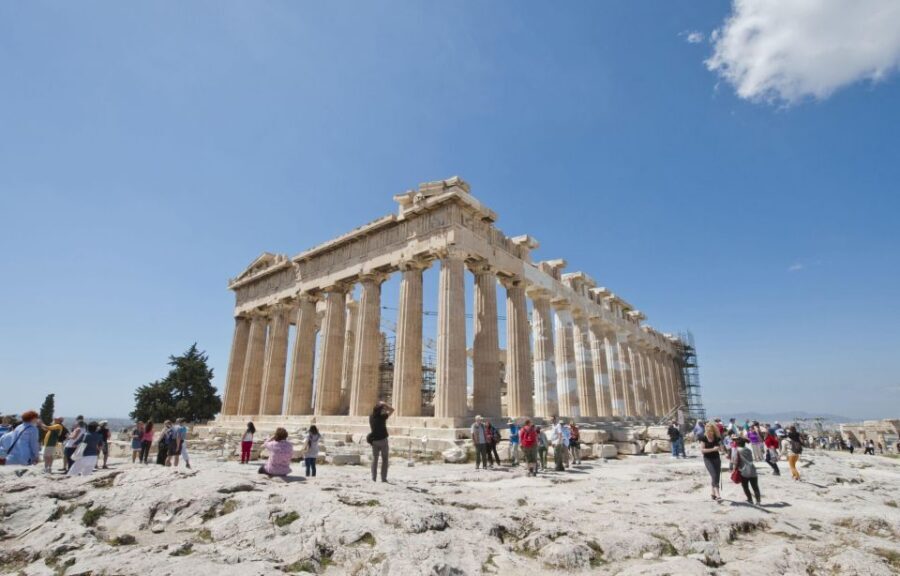
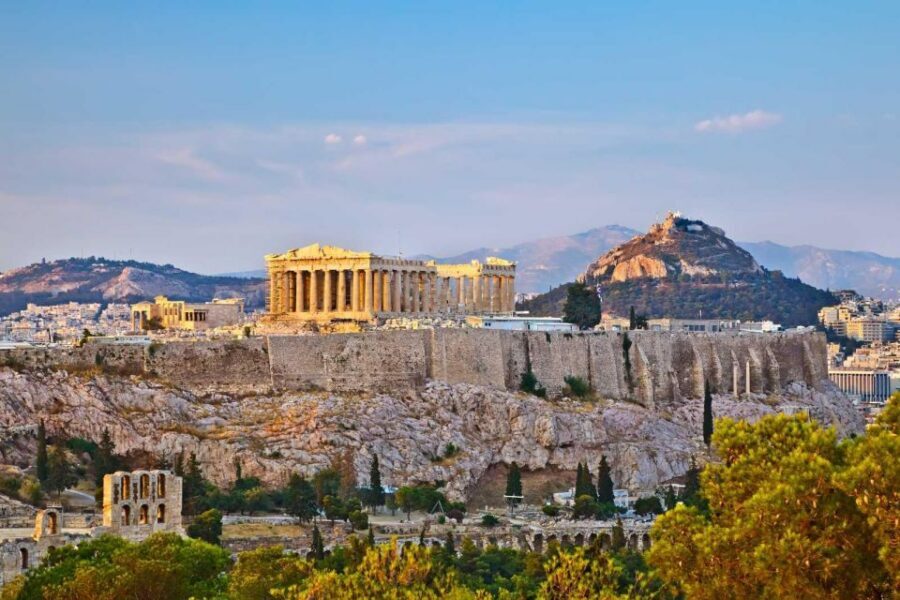
This is the main event, and it’s where the tour earns its value. The Acropolis is a UNESCO World Heritage monument, and your visit is guided through some of the most famous structures of the Golden Age of Athens.
You’ll make your way to the archaeological site, then see key monuments in a classic sequence:
- Propylaea gateway, the grand entrance that sets the tone
- Temple of Athena Nike, a smaller but highly significant stop
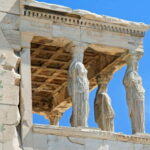
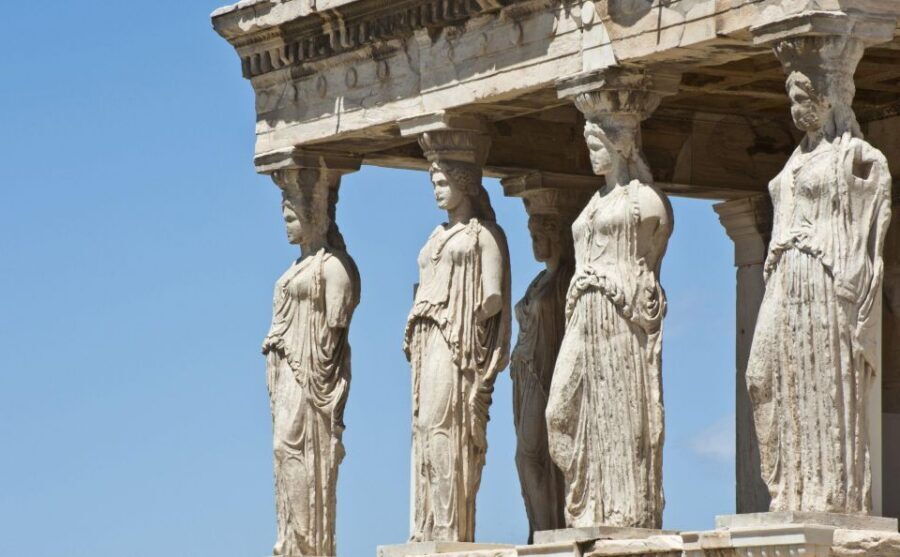
- Erechtheion, including the Temple of Athena’s part of the complex
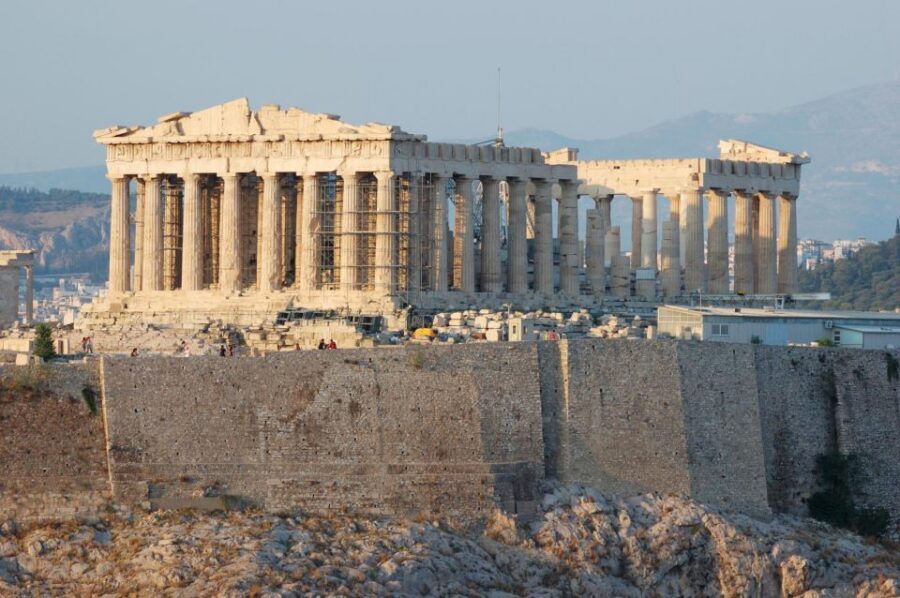
- Parthenon, the famous centerpiece
What I like here is that the tour doesn’t treat the Acropolis as one big photo spot. A guided order helps you connect what you’re looking at, instead of just drifting from one landmark to another. And for many people, that’s the difference between having a good afternoon and leaving with real understanding.
There’s also a practical side. Since it’s a live tour, you can ask questions about what you’re seeing as you walk. That’s handy on the Acropolis, where the sites can look similar until someone points out what matters.
One more note: this is outdoors, and you’ll likely be walking and standing for periods of time. The tour isn’t advertised for mobility impairments, so if walking is a challenge, you’ll want to think hard about whether the day’s pace will work for you. Comfortable shoes and sun protection are not optional.
Herodion and Dionysus Theater on the way to the museum
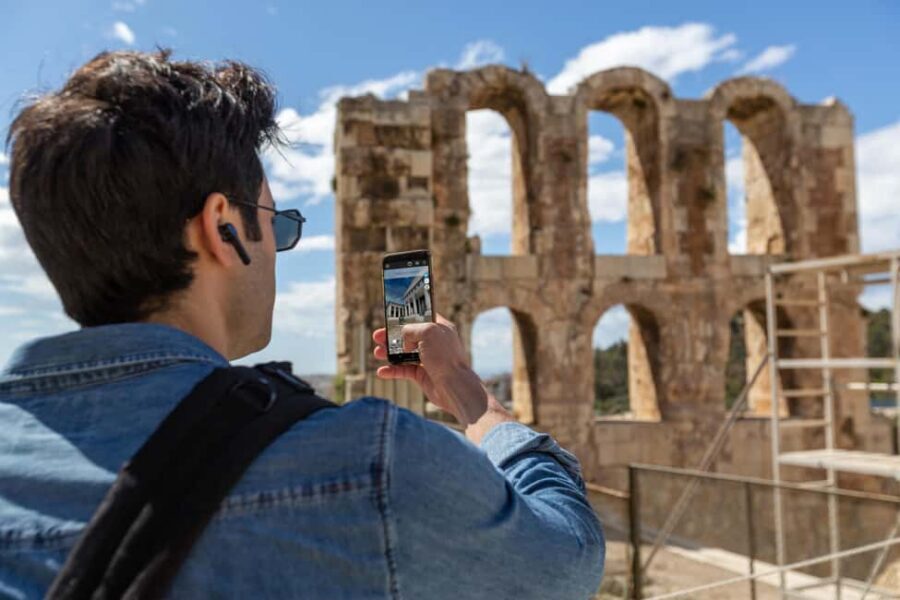
After the Acropolis visit, you’ll end by walking past Herodion and Dionysus Theater on the way to the Acropolis Museum. These are not random filler stops. They reinforce that the Acropolis wasn’t only about temples; it also connected to performance and civic life.
Even if you only get brief views, having them in the route keeps the story wider. You start the day with big civic buildings in the city, you reach the sacred structures at the top, and then you move toward the museum that helps translate what you’ve seen into a clearer narrative.
If you like your ancient sites with context, this route choice is smart. It keeps you from feeling like the museum arrives out of nowhere.
Acropolis Museum: where the sculptures click
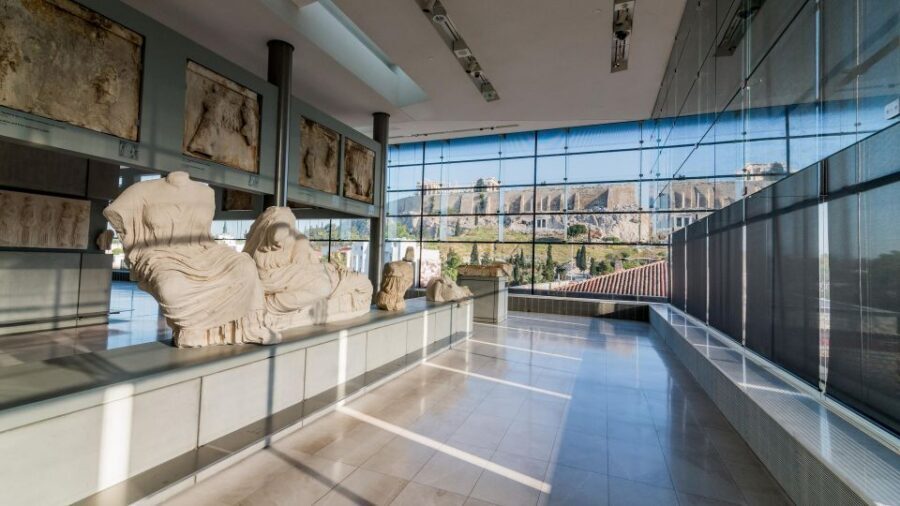
The museum visit is the part of the tour that often makes people remember what they learned after they’ve left the site. Here’s the basic idea: the Acropolis can be overwhelming at first glance. The Acropolis Museum helps you slow down and look at classical-era art and statues with more clarity.
Your guide will bring you through the museum’s key displays, so you’re not wandering aimlessly. And because you’ve just been standing above, looking at the architecture and imagining scale, the museum objects tend to feel more real and more connected.
I also like the “finish” effect. A half-day tour is tight, so ending at the museum gives you a calmer, more indoor-friendly wrap-up compared with lingering on the windy outdoor heights longer than planned. It’s a good trade: you get the sunset-free museum perspective without losing the Acropolis payoff.
What to wear and what to carry (so you don’t suffer)
This tour is 5 hours, but that time includes driving, sightseeing stops, and walking on and around the Acropolis area. The practical guidance is straightforward: bring comfortable shoes, a sun hat, and sunscreen.
If you’ve been to Athens in warm weather, you already know the sun can turn a quick walk into a long one. The hat and sunscreen are there because the route is outdoors-heavy. And comfortable shoes matter because the Acropolis walk involves uneven stone and up-and-down terrain.
Also, keep your plan simple: small bag, water if you like, and a phone ready for photos. The tour is built around multiple photo opportunities, so being prepared reduces stress.
Price and time value: is $143 fair for what you get?
At $143 per person for a 5-hour tour, you’re paying for more than a guide and a timetable. You’re also getting Acropolis and Acropolis Museum entry fees, pickup and drop-off at select hotels, and skip-the-ticket-line at the Acropolis area.
That combination can be good value if you’d otherwise spend your time and energy buying tickets, finding transport, and coordinating entrances. If you’re traveling with limited time in Athens, skip-the-line matters. Waiting can wipe out the advantage of a short half-day.
The rating is 3.6 based on 17 reviews, which tells me expectations should be realistic. This isn’t a slow, personalized private tour experience. It’s a structured guided route, and that tends to work best when you want efficient Athens highlights more than you want to control every minute.
Which type of visitor will enjoy this most?
This is a strong match for you if you want:
- A guided Acropolis visit with a clear sequence of major monuments
- A museum stop that helps you interpret what you saw outside
- Hotel pickup so your day starts clean and stress-free
- The classic Athens combo: Acropolis + central landmarks + a stadium stop
It’s less of a fit if you need wheelchair access or mobility accommodations, because it’s listed as not suitable for people with mobility impairments. It’s also not ideal if you hate walking in heat or you need lots of downtime between sites.
If you’re the type who likes to understand what you’re looking at—rather than only collecting photos—you’ll likely appreciate the guide-led flow through the Acropolis and then into the museum.
Should you book the Acropolis Museum half-day tour?
If your Athens time is tight and you want the Acropolis done in a guided, efficient way, I think this is a smart booking. The biggest “yes” factors are the skip-the-line entry, the hotel pickup/drop-off, and the fact that the day ends with the Acropolis Museum, which helps you make sense of the ruins instead of leaving with only images.
I’d pause only if you’re expecting a relaxed, slow-paced day or if your mobility is limited. With the outdoor walking and the tight 5-hour window, you’ll get more out of it if you’re comfortable being active.
So my take: book it if you want a well-timed route that hits the core sights with guidance, not if you want to wander unstructured for hours.
FAQ
How long is the Athens Acropolis Museum tour?
The duration is listed as 5 hours. Starting times vary, so you’ll need to check availability for the exact slot.
What major sights are included on the tour?
You’ll visit the Acropolis and Acropolis Museum, with stops and views that include Panathenaic Stadium, Constitution Square (Syntagma), Hadrian’s Arch, the Temple of Olympian Zeus, the Parliament building, and the memorial to the Unknown Soldier.
Is hotel pickup and drop-off included?
Yes. Pickup and drop-off are included at select hotels in Athens. You wait at the main entrance of your hotel and should be ready about 10 minutes early, since the driver waits no longer than 5 minutes after the scheduled pickup time.
Does the tour include skip-the-line entry?
Yes. The tour includes skip-the-ticket-line access for the Acropolis and museum visit.
What languages is the live guide available in?
The live tour guide is available in Spanish, Italian, English, and French.
Is the tour suitable for people with mobility impairments?
No. It’s not suitable for people with mobility impairments.