REVIEW · ATHENS
Zeus Temple Acropolis & Acropolis Museum Private Guided Tour
Book on GetYourGuide →Operated by ATHENS WALKING TOURS · Bookable on GetYourGuide
Athens’ biggest hits, neatly packed into four hours. What makes this tour work is the flow: you meet on the Dionysiou Areopagitou pedestrian walkway, then go straight into the Acropolis from the south slope for a smarter, calmer start. I really like the private, licensed guide approach here, with stories that connect the Parthenon and other key structures to mythology, politics, and daily life. The Acropolis Museum stop also stands out, because you get time to look closely at the marble masterpieces instead of rushing through glass cases.
The main thing to watch is timing: the Acropolis uses strict timed entry, so being late can be a headache (you may not be allowed in, and it’s not refundable). Add in security screening and peak-season lines, and you’ll want to treat this like a scheduled experience, not a casual wander.
In This Review
- Key things you’ll notice on this tour
- Meeting on Dionysiou Areopagitou: where the tour clicks into gear
- Entering the Acropolis from the south slope (and why it’s worth caring)
- The Parthenon-and-friends moment: what the guide makes clear on the ground
- The Temple of Zeus: seeing scale, not just structure
- Acropolis Museum: turning marble into stories (and not rushing past the details)
- Timing, tickets, and the skip-the-line reality
- Who this private Zeus + Acropolis + Museum tour fits best
- Is $269 per person good value here?
- Should you book this private Acropolis + Zeus Temple + Museum tour?
- FAQ
- How long is the private tour?
- Where do we meet the guide?
- What’s included in the price?
- Are entrance fees included?
- Does this tour skip the ticket line?
- What language is the tour in?
- What should I bring?
- Is it suitable for wheelchair users or strollers?
- What’s the cancellation policy?
- Does the tour run rain or shine?
Key things you’ll notice on this tour
- South slope entrance strategy that helps you start with better control of crowds while still hitting major sights
- Dionysus sanctuary and Theatre (5th century BC) as an early chapter before the Parthenon focus
- Photo-planning from multiple angles, including views toward Philopappos Hill, the Odeon of Herodes Atticus, and Lycabettus
- Acropolis Museum layout with glass-floor excavations, plus natural light and panoramic viewing zones
- A guide who connects myths to stone, with styles ranging from engaging storytellers to archaeology-minded explanations
Meeting on Dionysiou Areopagitou: where the tour clicks into gear
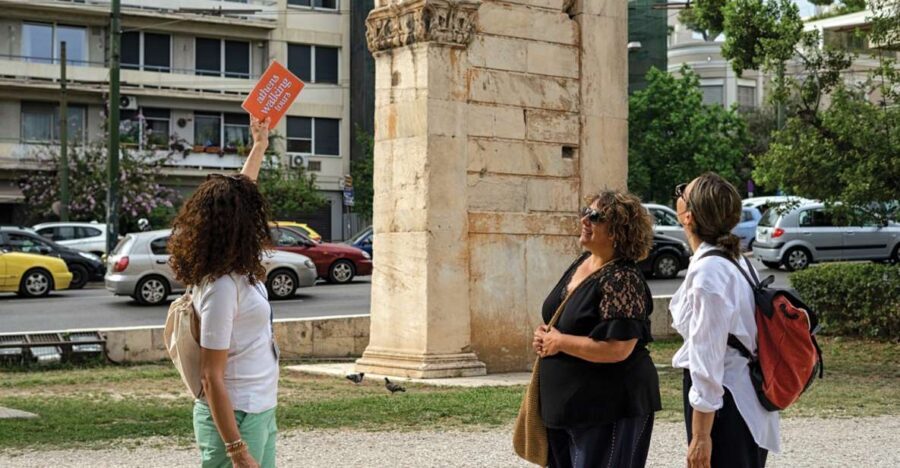
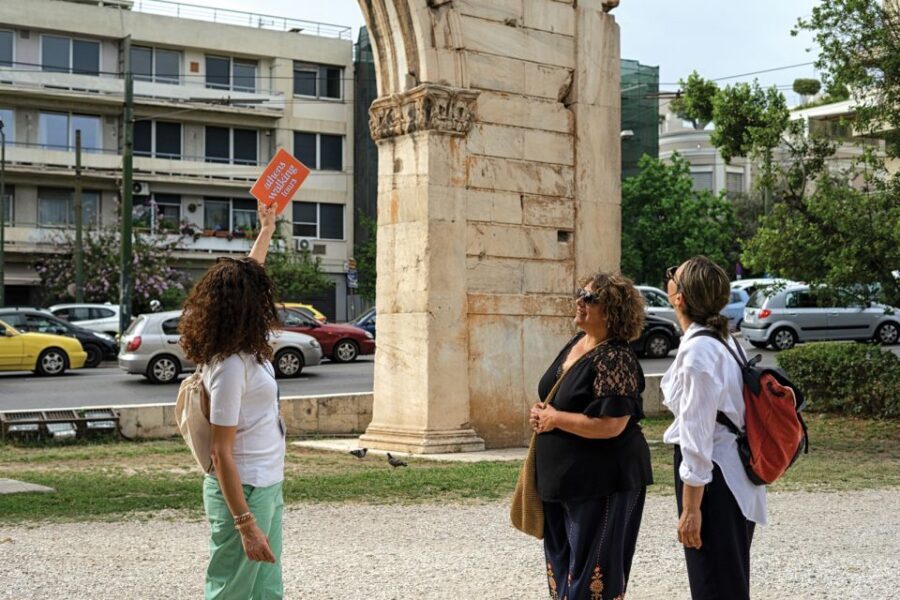
This tour starts on the pedestrian stretch of Dionysiou Areopagitou, right by Fresko Yogurt Bar (look for your guide holding an orange sign). It’s a smart choice because you’re not herding your group through traffic first. Instead, you’re already in the Athens “walking” mood, with the Acropolis looming above you as you move toward it.
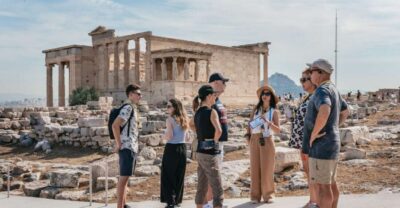
You’ll be with a licensed English-speaking guide in a private group, which matters here. The Acropolis is not the kind of place where you get the best value just by reading a few signs. A guide helps you connect what you’re seeing—columns, sanctuaries, stairways, viewpoints—to the bigger story of Athens as a crossroads of Greek and Roman influence. And with a private setup, you can pause for questions rather than losing them in a group shuffle.
One more practical note: there’s no hotel pickup. You’re responsible for getting yourself to the meeting point, and the route is walkable, so wear comfortable shoes from the start. In four hours, you want your legs to feel like an asset, not a limit.
Other Acropolis and Parthenon tours we've reviewed in Athens
Entering the Acropolis from the south slope (and why it’s worth caring)
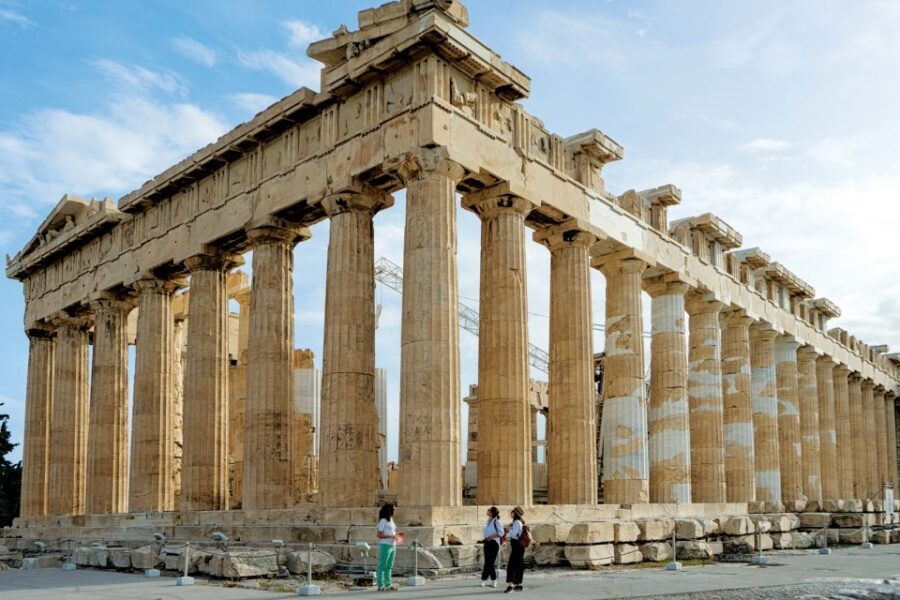
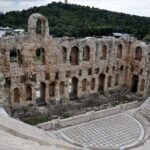
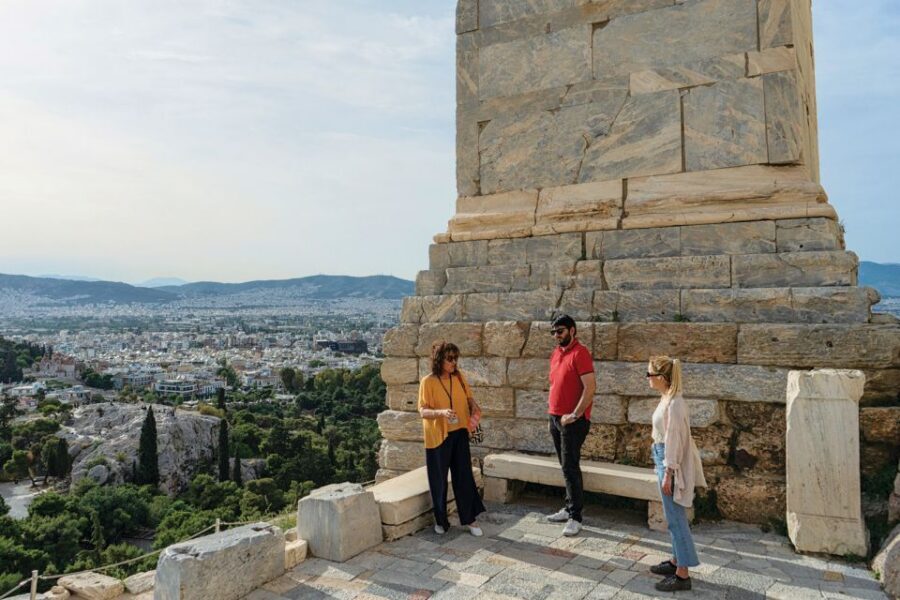
Once you arrive, your guide leads you into the Acropolis from the south slope. The payoff is simple: it helps you avoid the worst crowd pressure and gives you a different approach to the site. It also sets the stage for two important stops early on: the Dionysus sanctuary and the Dionysus Theatre, built in the 5th century BC.
That early focus is more than a “warm-up.” Dionysus matters because the theatre ties culture to civic life. You’re not just looking at architecture—you’re seeing a place where performance, religion, and the community overlapped. When your guide points out what you’re standing near and how the space worked, the stones start to make sense fast.
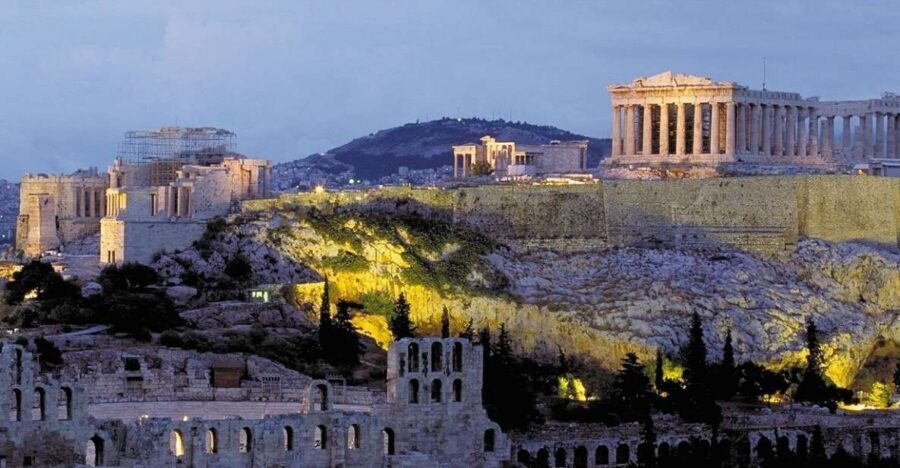
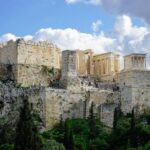
Before you even hit the major monuments, your guide sets you up with viewpoints worth photographing. You’ll get marvellous views as you go, and you’ll be guided toward angles that frame the city and key landmarks. Expect stops where your camera can catch sweeping views toward the Philopappos hill monument, the Odeon of Herodes Atticus, and even the Observatory area (your guide will help with what to look for).
The Parthenon-and-friends moment: what the guide makes clear on the ground
The Acropolis is packed with names, and if you don’t know what each building is doing there, it can feel like alphabet soup. A good guide prevents that.
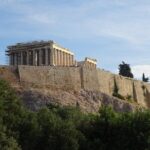
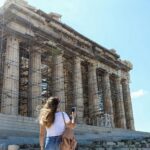
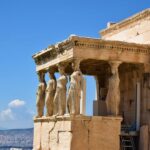
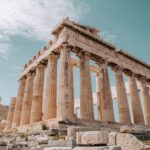
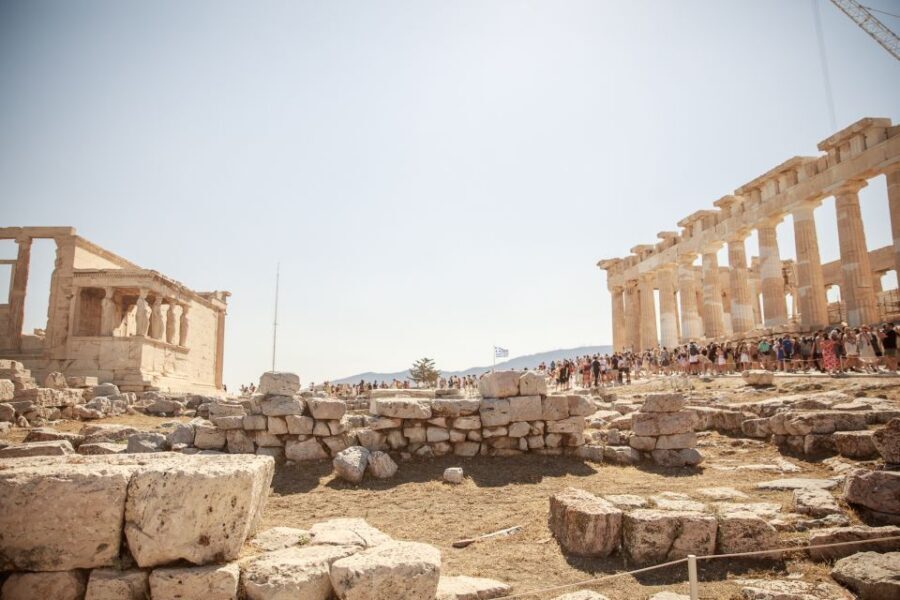
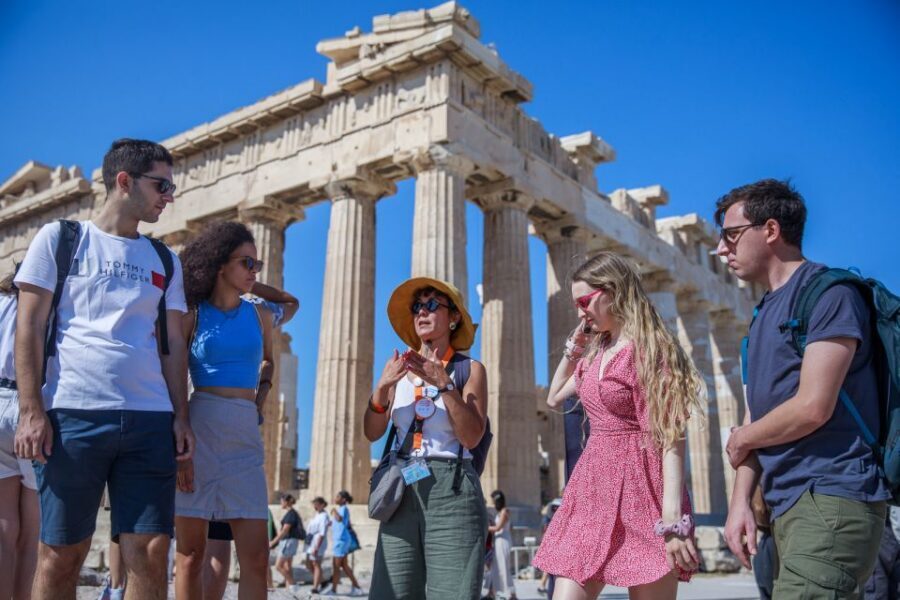
On this tour, your guide calls out the big hitters and explains what they mean in context. You’ll get guided attention on the Parthenon, Erechtheion, Propylaia, Temple of Nike, and the Agrippa Monument. The value isn’t only facts—it’s interpretation. You learn how these structures relate to each other, and why their design reflects how Athenians wanted to project power, belief, and identity.
This is also the part where the private format pays off. A guide can slow down when you’re curious, speed up when you’re not, and answer your questions in a way that makes the information stick. In past tours with this provider, guides like Magda, Harula, and Ari are noted for being patient and engaged—especially Ari, who brings an archaeology-minded angle that keeps the explanations grounded in what can actually be seen.
And then there are the photo tips. Your guide will point out the best points to capture:
- the Ancient Agora view
- the Lycabettus hill perspective
- classic city panoramas from angles that feel more postcard than “I was there” snapshot
If you care about photos, this is one of the practical ways a guide helps. You’re not just told what to photograph—you’re directed to where the view works.
The Temple of Zeus: seeing scale, not just structure
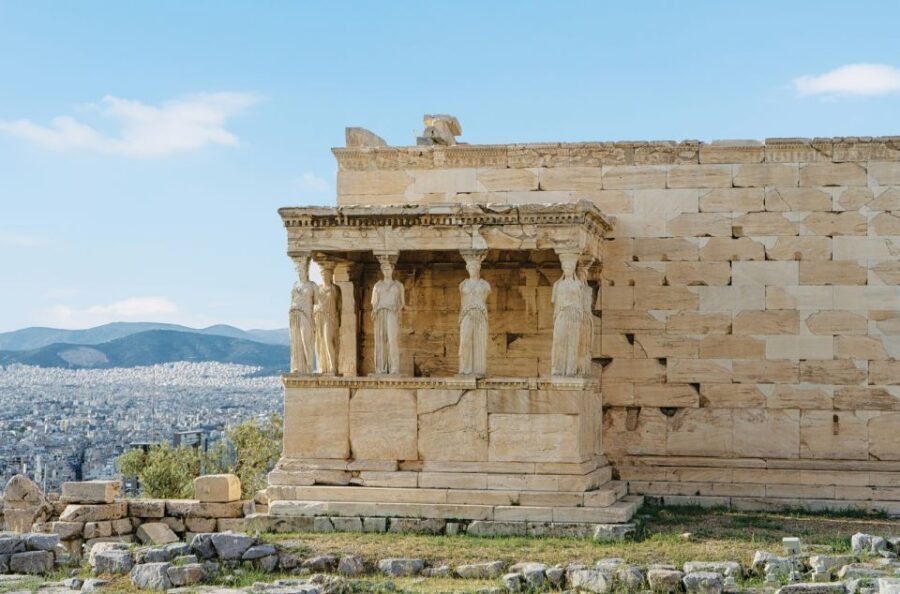
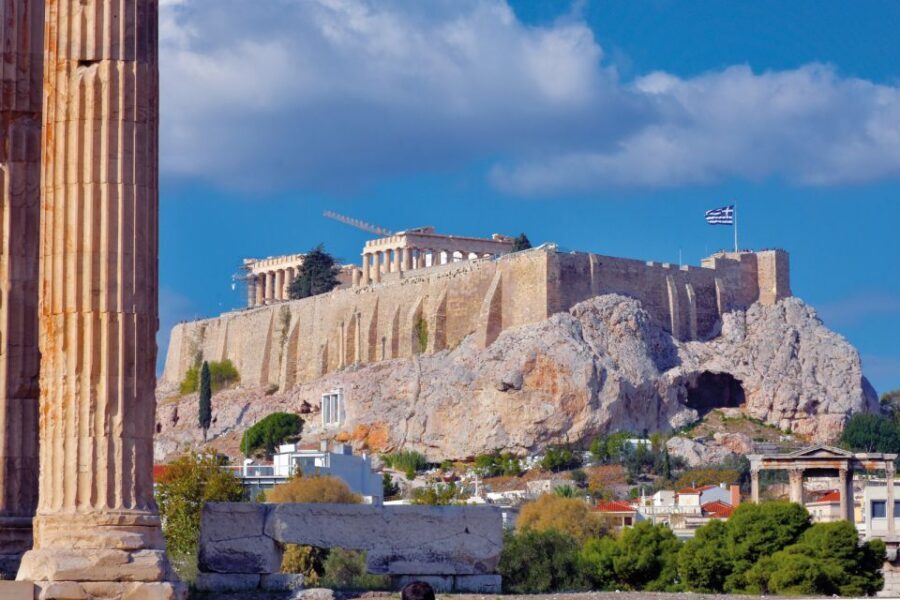
Next comes the Zeus Temple, described as the biggest temple of antiquity on this route. That wording is useful because it signals what you should pay attention to: scale.
When you look at this area, the goal is to understand how grand the original plan was, even if what you see today is partly ruin and partly foundation. A guide helps you read the remaining elements so your brain fills in the right context, not random guesses.
You’ll also get a unique point of view to photograph the Acropolis. That matters because the Zeus Temple area lets you look back at the Acropolis in a way you can’t easily recreate on your own without spending time figuring out angles. In four hours, that efficiency is the whole point.
Acropolis Museum: turning marble into stories (and not rushing past the details)
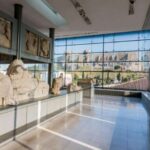
After the outdoor highlights, the tour shifts indoors to the Acropolis Museum, where the design does a clever thing: it incorporates excavations you can see under glass floors. Instead of treating the museum as a separate world from the site, it connects you back to the ground-level remains.
The museum stop is where you’ll actually get to slow down. Your guide helps you focus on the key displays and the masterpieces on view, and the museum layout is built for natural viewing—there’s natural lighting, easy visitor access, and panoramic outlooks. The exhibition areas are arranged so you don’t feel like you’re fighting the flow just to understand what you’re looking at.
This museum holds about 4,000 artifacts. You obviously won’t see all of them in a four-hour tour, but you will see the ones that help you understand how the Acropolis was used and valued. Your guide will point out the themes that connect what you saw outside to what’s preserved inside—especially when you’re comparing sculptural styles and how sacred spaces were expressed in art.
If you love the “read it, then watch it happen” feeling, the museum delivers that. Outside, you see the scale and the layout. Inside, you see the craftsmanship up close and get a clearer sense of what mattered enough to be represented in marble.
Other private Acropolis tours we've reviewed in Athens


Timing, tickets, and the skip-the-line reality
This is a tight four-hour private tour, covering three major elements: Acropolis, Zeus Temple viewpoints, and the Acropolis Museum. That’s exactly why the logistics matter.
A few key points you should plan around:
- Entrance fees are not included (approximately €43), so you need to budget for tickets.
- You are told to purchase your Acropolis entrance tickets separately and to pick the correct category and use your booking reference (starting with GYG).
- Timed entry at the Acropolis is strict. Late arrivals can be refused entry, and in those cases the tour fee is not refundable.
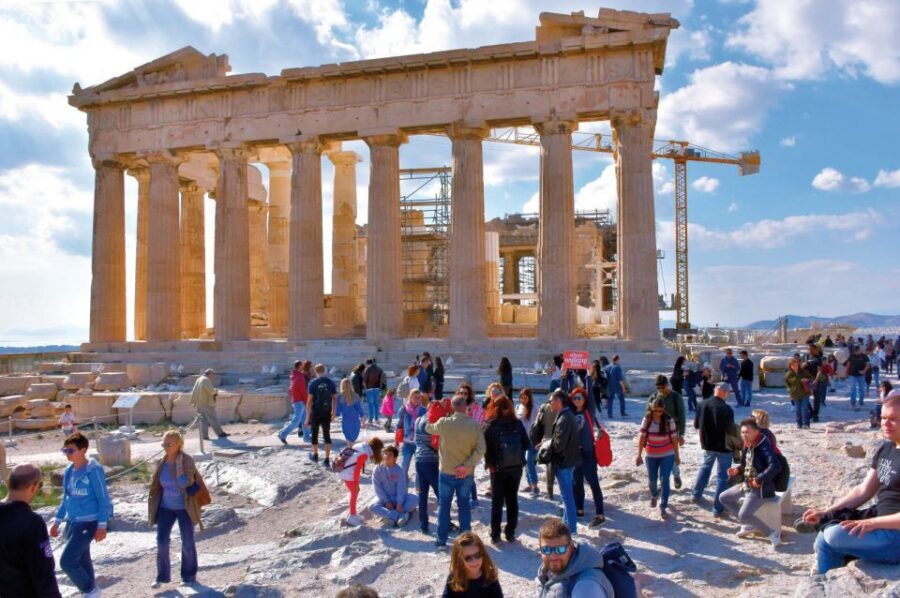
The tour also says it skips the ticket line, which is valuable—but don’t confuse that with a friction-free experience. Everyone still goes through airport-style security. In peak season, you can face waits of 30+ minutes. In other words: “skip-the-line” helps with the ticket desk, not with security.
For timing, be practical. Arrive a bit early at the meeting point, and keep water handy. You’re walking and standing in the sun, and the schedule assumes you can stay moving.
One more heads-up: the tour is not suitable for mobility impairments, wheelchairs, or strollers. If that applies to you, you’ll want to look for a different format.
Who this private Zeus + Acropolis + Museum tour fits best
This is best for you if you:
- have limited time in Athens and want the highlights in one go
- want a guide who can explain mythology and symbolism while you’re standing in the exact spot
- care about photo angles and want direction instead of guesswork
- prefer private pacing over following a large group
It’s also a good choice if you like learning that connects Greek and Roman influence. One of the strengths people highlight with this tour style is the way the guide weaves broader context into what you see, including how Athens later became a capital and how earlier rule and power shifts shaped what people built and preserved.
If, on the other hand, you’re the type who enjoys slow DIY wandering, you might find four hours feels like a lot. The Acropolis can take longer if you want to read every sign and linger. But if your priority is value per hour, this route is designed to give you maximum payoff without turning it into an all-day endurance test.
Is $269 per person good value here?
The price is $269 per person, and the entrance fees (around €43) are extra. Private tours always cost more than solo entry, so the real question is whether this one justifies the difference.
In my view, it does if you value three things:
- Licensed guide time across both the outdoor site and the museum, not just one stop
- Time management: south-slope entry plus a structured route that keeps you moving toward the biggest “aha” moments
- Interpretation that saves you effort: the guide helps you understand why the monuments matter, rather than leaving you to figure it out from scratch
If you’re traveling as a family or a small group and you’d otherwise pay for two or three separate tickets plus self-guided decoding time, a private guide can feel like the smart shortcut. On the flip side, if you already know your Acropolis basics and you’re mainly after photos, you might be able to DIY more cheaply. Still, you’d lose the guided story threads that make the stonework feel alive.
For many first-timers, the museum portion is the clincher. It’s the part where a guide helps you turn artifacts into meaning quickly, and that’s where private guidance can save you from wandering without direction.
Should you book this private Acropolis + Zeus Temple + Museum tour?
Book it if you want a focused Athens experience that hits the Acropolis, the Zeus Temple viewpoint, and the Acropolis Museum in one smooth private format, with a guide who can explain what you’re seeing and help you get the right photo angles.
Skip it (or consider a shorter alternative) if you need mobility accommodations, hate timed entry pressure, or prefer a long unstructured walk where you can roam at your own pace. The schedule works best when you show up on time, keep comfortable shoes on, and let the guide handle the “what matters and why” part.
FAQ
How long is the private tour?
It runs for 4 hours.
Where do we meet the guide?
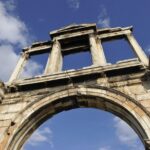
Meet at Fresko Yogurt Bar, 3 Dionysiou Areopagitou Street, at the start of the pedestrian walkway from Hadrian’s Arch to the Acropolis. Your guide will be waiting with an orange sign.
What’s included in the price?
The tour includes a local licensed guide and the private tour format. Entrance fees are not included.
Are entrance fees included?
No. Entrance fees are approximately €43, and you must purchase your Acropolis entrance tickets separately.
Does this tour skip the ticket line?
Yes, it includes skip the ticket line. You should still expect airport-style security screening.
What language is the tour in?
The tour is in English.
What should I bring?
Bring comfortable shoes, a sun hat, snacks, water, and clothing appropriate for the weather.
Is it suitable for wheelchair users or strollers?
No. It is not suitable for wheelchair users, people with mobility impairments, or strollers.
What’s the cancellation policy?
You can cancel up to 3 days in advance for a full refund.
Does the tour run rain or shine?
Yes, tours run rain or shine.