REVIEW · ATHENS
Athens: The Acropolis and Acropolis Museum Tour in German
Book on GetYourGuide →Operated by LITTLE OWL TOURS · Bookable on GetYourGuide
Greek ruins feel personal with the right guide. This 3-hour Acropolis + Acropolis Museum tour in German strings together the big sights and the stories behind them, so the place feels less like postcards and more like something you can picture.
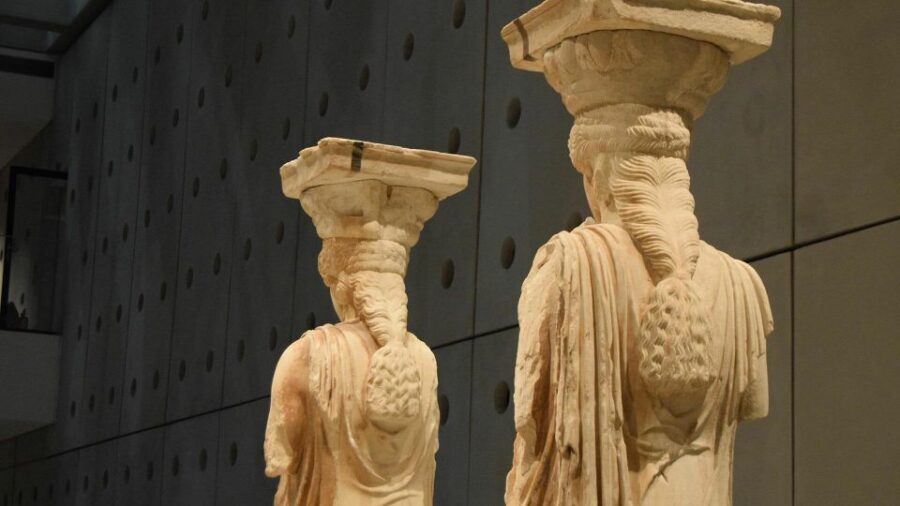
I especially like the myth-first storytelling approach. Instead of dry recitations, the guide frames what you’re seeing with legends and historical tales, which makes stops like the Parthenon and Erechtheion easier to remember. I also love that you don’t just view copies—you get time at the museum to see original sculptures and the famous Caryatids up close.
One consideration: this is uphill walking on uneven, sometimes slippery surfaces, and there’s no elevator. If you have limited mobility, or you’re pregnant or using a wheelchair, this one is not a good fit.
In This Review
- Key things to know before you go
- Why this German Acropolis combo works
- Theatre of Dionysus to Herodion: starting at the story’s origin
- Climbing the south slope: Propylaea and the big gates moment
- Temple of Athena Nike, Erechtheion, Parthenon: how the tour explains meaning
- Photo stop on the hill: the 20 minutes that make a difference
- Descending to the Acropolis Museum: why originals change everything
- Price and time: is $152 worth it for 3 hours?
- What to bring, and what to watch for on the ground
- Who this tour is best for (and who should skip it)
- Should you book the Athens Acropolis and Acropolis Museum tour in German?
- FAQ
- How long is the tour?
- What language is the guide?
- What’s included in the price?
- Does the tour skip the ticket line?
- Where is the meeting point?
- Is the tour suitable for wheelchair users or limited mobility?
- Can I cancel for free?
Key things to know before you go
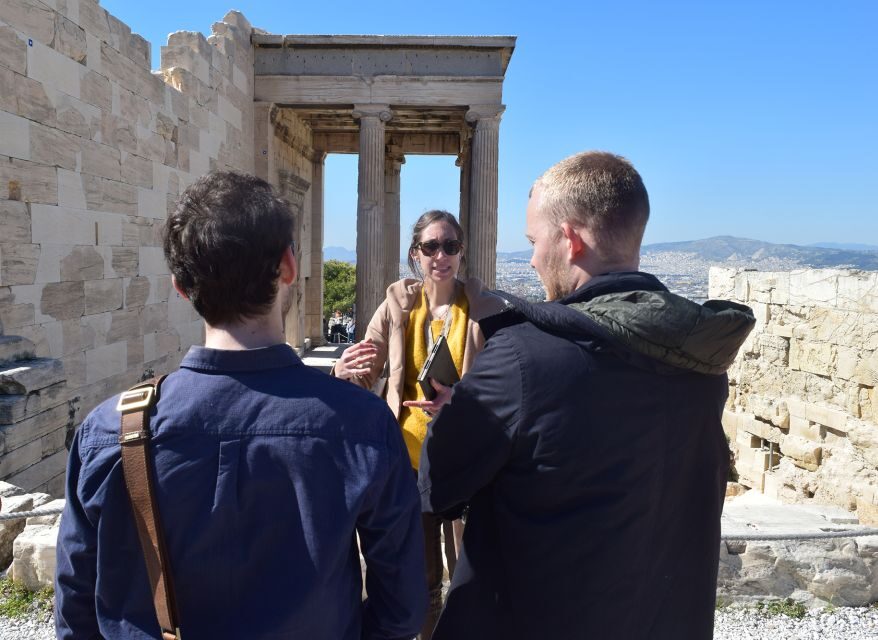
- German licensed guide: the whole tour runs in German, with historical tales tied to each stop
- Theatre of Dionysus early on: start at the spot tied to the first ancient Greek theater
- South slope route: you pass landmarks like Herodion and the remains of Athens’ first pharmacy as you climb
- Parthenon views + photo time: a photo stop up top includes about 20 minutes of free time
- Acropolis Museum payoff: you see original Parthenon sculptures and authentic statues, not just models
- Walking-heavy itinerary: comfy shoes and water matter because the terrain is uphill and uneven
Why this German Acropolis combo works
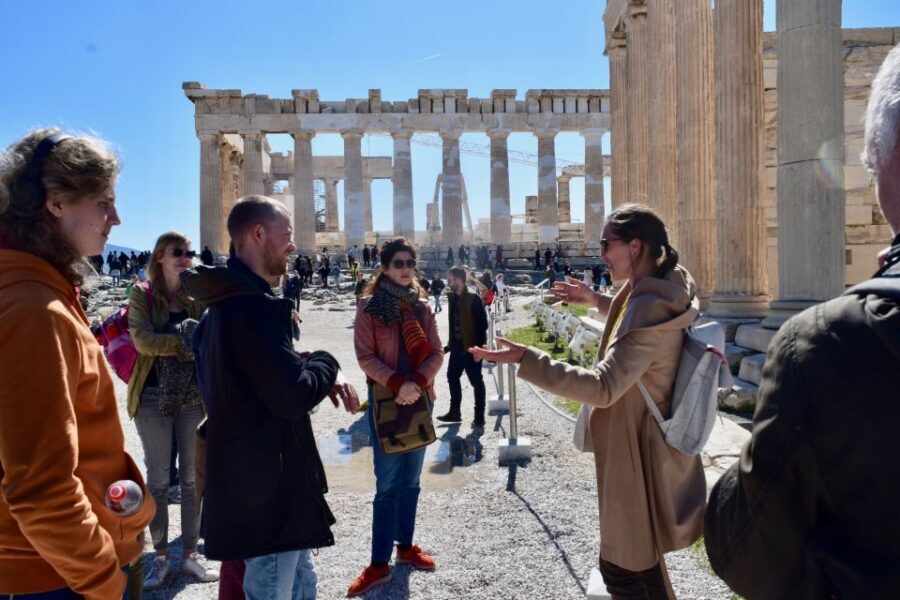
The Acropolis is the kind of place where it’s easy to feel overwhelmed. You see the skyline, you snap a few photos, and then you’re left wondering what you actually looked at. This tour tackles that problem in a practical way: it keeps moving through the site and uses stories to connect the dots.
If you speak some German (or you’re comfortable following a guided pace in German), the structure helps. You’ll start near the Theatre of Dionysus, then work your way up to the core monuments—Propylaea, the Temple of Athena Nike, the Erechtheion, and the Parthenon—and then you finish in the Acropolis Museum, where the originals do the heavy lifting. That museum stop is the key difference between a quick sightseeing loop and a tour that actually sticks.
One more thing I like: you get more than facts. The guide focuses on myths and historical storytelling, which is what the Acropolis is built for. Greek myth isn’t a separate chapter—it’s part of how these buildings were meant to be understood.
Other Acropolis and Parthenon tours we've reviewed in Athens
Theatre of Dionysus to Herodion: starting at the story’s origin
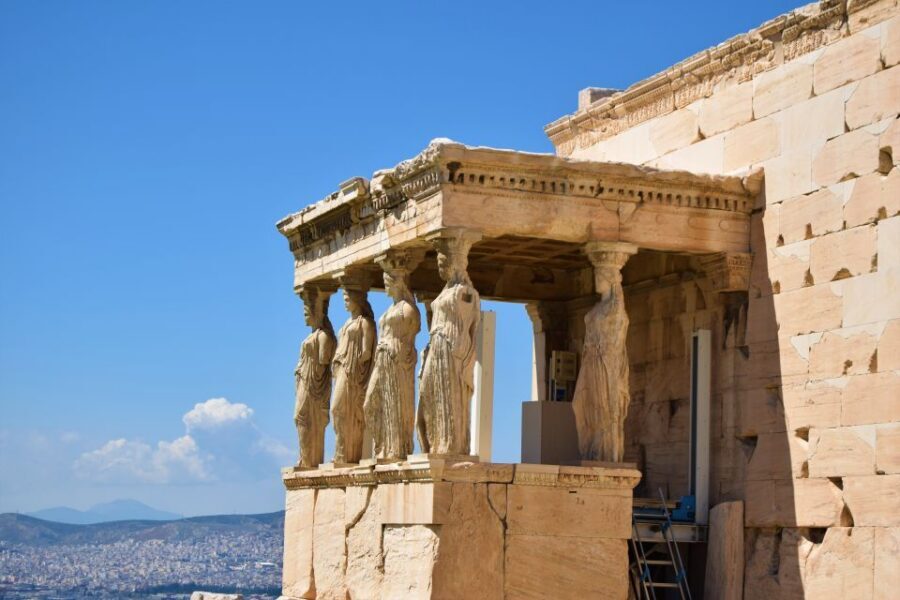
This tour begins at the south entrance area, and you’re guided first to the Theatre of Dionysos. The timing matters because it sets the tone early. Instead of starting with the Parthenon and working backward, you begin with the place tied to the first ancient Greek theater.
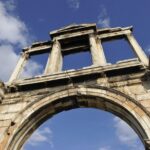
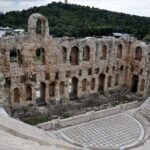
From there, the walk climbs the hill’s sunlit south slope. Along the way, you pass the Odeon of Herodes Atticus and you also go by the Herodion area, plus the remains of Athens’ first pharmacy. Even if those last details aren’t the headline sights, they’re exactly the kind of connective tissue that turns a “must-see list” into a living city you can picture.
Practical note: since this is on foot and uphill, I’d plan your pace early. Bring water, wear shoes that won’t betray you on uneven stone, and keep your hat handy. If the weather turns hot, the early start gives you a better shot at feeling comfortable before the busiest conditions set in.
Climbing the south slope: Propylaea and the big gates moment
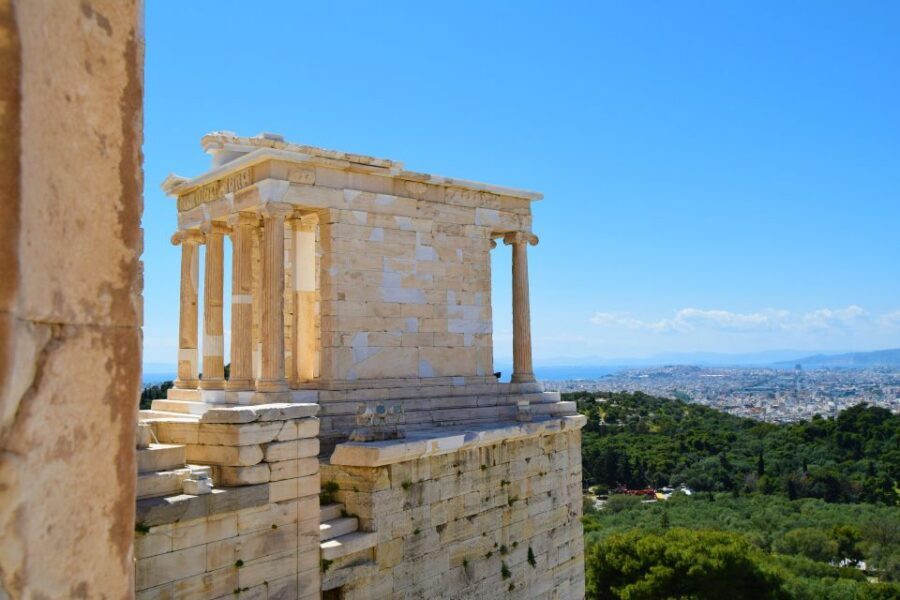
After the first theatre stop and the initial walk, you reach the enormous entrance gate area: the Propylaea. This is one of those moments where you feel like you’re crossing from the everyday city up into the sacred complex.
Your guide explains what you’re looking at and why it’s arranged this way. The Acropolis is not just a collection of buildings; it’s a designed experience—approach, reveal, and then the monuments themselves. Seeing Propylaea as the entry frame helps the rest of the climb make sense.
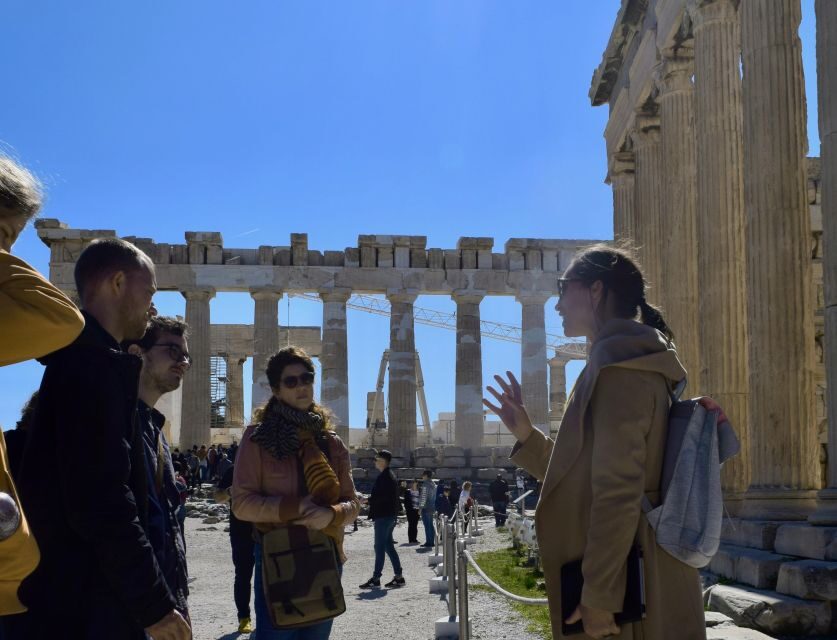
Then you rise toward the top, where the views start unfolding. From the upper area, the guide points out key landmarks you can see across the hill, including the Nike Temple, the Erechtheion, and the Parthenon. Even if you’ve seen these names before, being told where to look and what each structure was built to represent makes it feel less like reading a label.
Temple of Athena Nike, Erechtheion, Parthenon: how the tour explains meaning
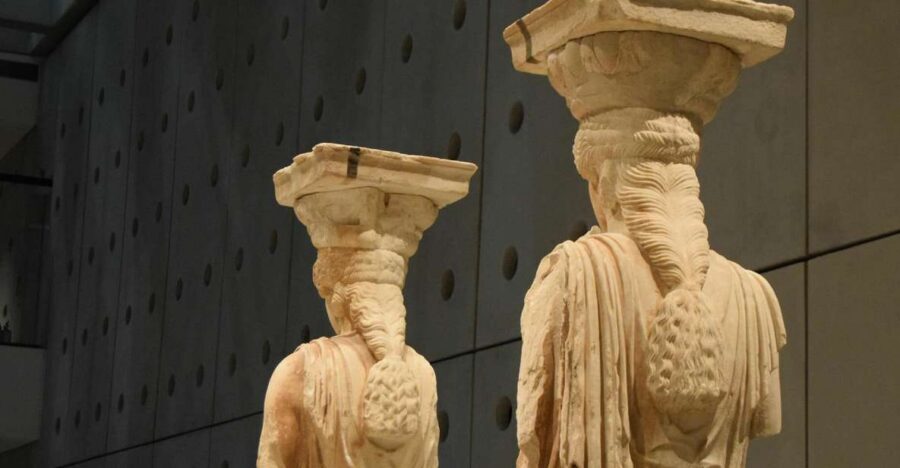
Once you’re up, the tour focuses on the monuments most people come for. It also does something that’s surprisingly helpful: it treats architecture like a message, not just stone.
Here’s what you’ll spend time on:
- Temple of Athena Nike: your guide explains its purpose and what the architects and builders were trying to communicate through design choices.
- Erechtheion: this is where you’ll hear the stories tied to the building’s identity and role on the hill.
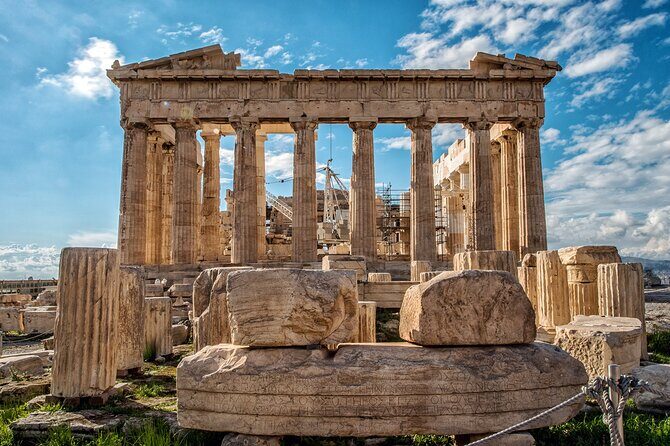
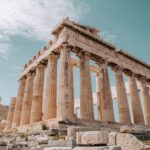
- Parthenon: you get a guided walkthrough of why it was erected and the techniques used to build it.
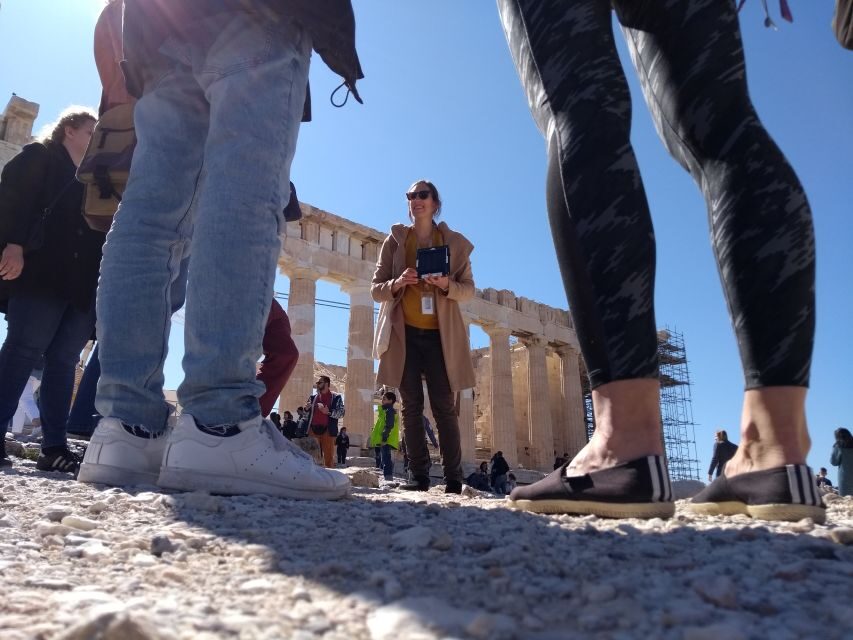
The guide’s approach is story-driven. Instead of dropping only technical facts, you’ll hear myths and historical tales tied to what you see. That matters because the Acropolis can be visually similar in your memory if you don’t have a narrative thread. With a guided story chain, your brain grabs onto the scene.
Also, you’re not just staring at buildings from one angle. You’re in motion. Walking between stops naturally changes your perspective, and that’s one reason a guided route feels worth it compared to wandering alone.
Photo stop on the hill: the 20 minutes that make a difference
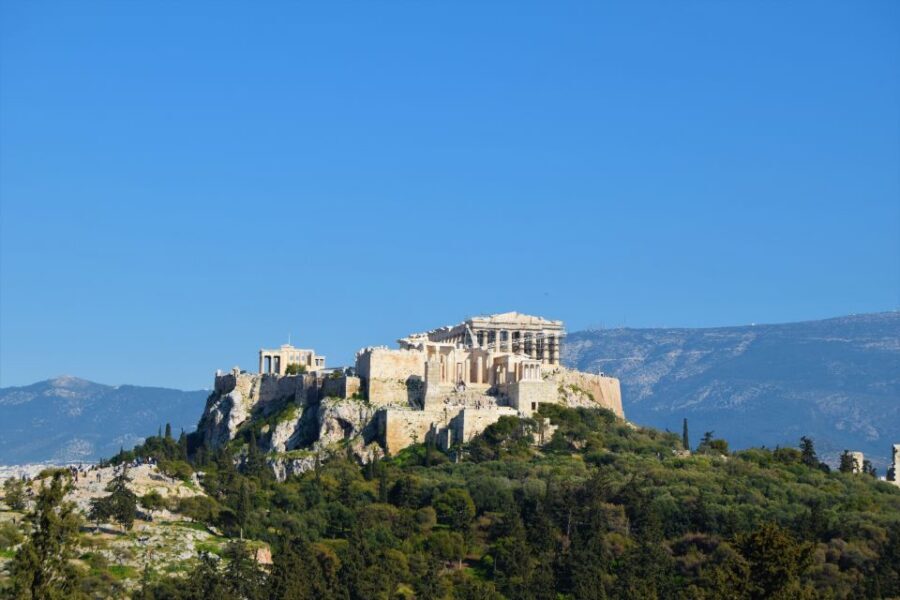
After the guided monuments section, you get a chance for photos from atop the hill, with about 20 minutes of free time. This is a good structure. You get the explanations first, then you get to reframe what you learned with your camera.
My practical tip: plan to take photos in two passes. First, capture the “textbook” view of the Parthenon area and surroundings. Second, once you’ve figured out which angles match the stories you heard, go back for closer composition shots—think details and the way the buildings relate to each other on the slope.
Timing can be affected by heat and crowd levels. On at least one recent date, the Acropolis access was limited due to high temperatures during a mid-day block, and the guide built in pauses in the shade while keeping the storytelling going. That’s a good reminder to stay flexible if you’re traveling in summer or shoulder seasons.
Other Acropolis Museum tours we've reviewed in Athens



Descending to the Acropolis Museum: why originals change everything
The second half of the experience is the Acropolis Museum, and it’s where the tour’s value really becomes obvious.
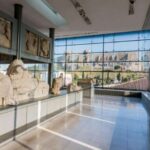
The Acropolis monuments on the hill are spectacular, but weathering and distance make it harder to fully appreciate what you’re seeing. The museum solves that. You can examine the original sculptures, the Caryatids, Parthenon sculptures, and other authentic statues in a setting designed for close looking.
This is the “payoff moment” for anyone who wants more than silhouettes and big views. You’ll see the features that were hard to absorb outside. And because the guide has already connected many of the monuments to their themes and purposes, the museum stops don’t feel like a random add-on. They feel like the same story, explained with artifacts.
If you care about authenticity, this museum component is the difference between checking a box and understanding what made these pieces powerful enough to last—and powerful enough to inspire new attention centuries later.
Price and time: is $152 worth it for 3 hours?
At $152 per person for about 3 hours, this isn’t the cheapest way to see the Acropolis and museum. But it does stack value in a few important ways:
- Tickets are included, including entry to both the Acropolis and the Acropolis Museum.
- You get skip-the-ticket-line, which can be a real time-saver in Athens.
- The guide is German, and the tour is set up as a guided walking route rather than a self-guided “good luck” plan.
- You also get admin fees for pre-booking, plus structured stops that help you avoid aimless wandering.
Whether it feels like good value depends on your travel style. If you like architecture and want the buildings explained with stories, paying for a guide usually makes sense. If you’re the type who enjoys moving slowly, reading signs, and skipping museums, you might feel the cost more than the benefit.
I’d say the tour is best when you want both: major monuments plus the museum proof that ties them together.
What to bring, and what to watch for on the ground
This tour is simple in theory, but you’re walking on real stone and real slopes. Bring:
- Comfortable shoes (non-negotiable)
- Sun hat
- Water
What to avoid:
- Food and drinks are not allowed during the tour.
- Drones are not allowed.
- Weapons or sharp objects are not allowed.
Also watch out for your footing. The terrain can be uneven and occasionally slippery. If you have balance issues, consider how long you’ll manage uphill ground before booking.
And one more practical detail: this is not recommended for people with limited mobility, wheelchair users, or pregnant travelers. There’s no elevator, so you’re relying on stairs and walking throughout.
Who this tour is best for (and who should skip it)

This is a strong choice if you:
- want a guided German explanation rather than relying on translations on your own
- love mythology and how it links to monuments
- want time at the Acropolis Museum to see the originals
It’s also a good fit for families who can handle walking. One recent group included two kids aged 11 and 12, and the guide kept the experience engaging with stories and humor rather than turning it into a lecture.
You should consider skipping if you:
- need step-free access or elevator access
- can’t comfortably manage uneven uphill walking
- are traveling in a way that requires lots of frequent rest stops
If you fall in that “maybe” category, I’d think carefully about your mobility and heat tolerance. The tour is only 3 hours, but it’s still a physical route.
Should you book the Athens Acropolis and Acropolis Museum tour in German?
Book it if you want the Acropolis explained like a story and backed up with the museum’s original sculptures. The German guide format works well when you’re okay following along in German, and the structure—Theatre of Dionysos up to the monuments, then down to the museum—keeps you from getting lost in names and photos.
Skip it if you need full accessibility support or if your plan doesn’t match uphill walking on uneven surfaces. Also, if you’re the kind of visitor who enjoys slow wandering and reading at your own speed, you may prefer a self-guided approach.
If you choose to go, go prepared: good shoes, water, and a willingness to look closely. That’s how you get the most out of the Parthenon area and the Caryatids once the hill story ends.
FAQ
How long is the tour?
The tour lasts about 3 hours.
What language is the guide?
The live tour guide provides the tour in German.
What’s included in the price?
You get entry tickets to the Acropolis and the Acropolis Museum, a guided walking group tour with a licensed guide, free time for pictures, and administration fees for ticket pre-booking.
Does the tour skip the ticket line?
Yes, this tour includes skip the ticket line.
Where is the meeting point?
The meeting point may vary depending on the option booked.
Is the tour suitable for wheelchair users or limited mobility?
No. It is not recommended for people with limited mobility, there is no elevator, and it is not suitable for wheelchair users or people with mobility impairments.
Can I cancel for free?
Yes. Free cancellation is available up to 24 hours in advance for a full refund.